Travelers Auto Insurance Claims: What They Cover and How to Start
The Short Answer
A Travelers auto insurance claim is a formal request asking Travelers, a US insurer, to pay for a loss involving a vehicle covered by one of its policies, or a loss caused by one of its policyholders. Whether a claim is paid, and how much, depends on the coverages listed on the specific policy, its limits and deductibles, the state where it was issued, and the facts of the incident. No general article can confirm whether your particular claim will be covered. Your policy declarations page and the claim decision are the authoritative sources.
What This Guide Can and Cannot Confirm
No confirmed, current details about Travelers' claims process were available for this article. That includes phone numbers, reporting deadlines, processing times, fees, and satisfaction figures. Rather than guess, this guide explains how auto claims generally work in the US and identifies what to verify directly with Travelers. For current reporting channels, check your policy documents, your insurance card, or Travelers' official customer resources. You can also ask your agent if you bought the policy through one.
First-Party vs. Third-Party Claims
Who files the claim changes how it is handled. A first-party claim is one you file under your own Travelers policy, such as a claim for damage to your own car. A third-party claim is one filed against a Travelers policyholder by someone they may have harmed, such as another driver whose car was hit. Third-party claimants are not Travelers customers. Their claims are evaluated under the policyholder's liability coverage, and fault usually determines the outcome.
How Your Coverage Shapes the Claim
Auto policies are built from separate coverages, and each claim is assessed against whichever coverage applies. The common types are listed below. Availability and requirements vary by state and by policy, so confirm what your own policy includes.
Liability: pays for injury or property damage you cause to others, up to your limits; it does not pay for damage to your own vehicle. Collision: pays for damage to your vehicle from a crash with another vehicle or object, typically after your deductible. Comprehensive: pays for non-collision losses such as theft, vandalism, fire, falling objects, or weather, typically after your deductible. Uninsured/underinsured motorist: can apply when an at-fault driver has no insurance or too little to cover your losses. Medical payments or personal injury protection: pays certain injury-related costs, with rules that depend heavily on the state. Optional add-ons, such as rental reimbursement or roadside assistance, apply only if they are on your policy.
The deductible is the amount you pay toward a covered loss before insurance pays the rest. If the damage costs less than your deductible, a first-party claim may not pay out.
Typical Steps in an Auto Claim
The following sequence reflects common US industry practice. It is not a confirmed description of Travelers' internal process.
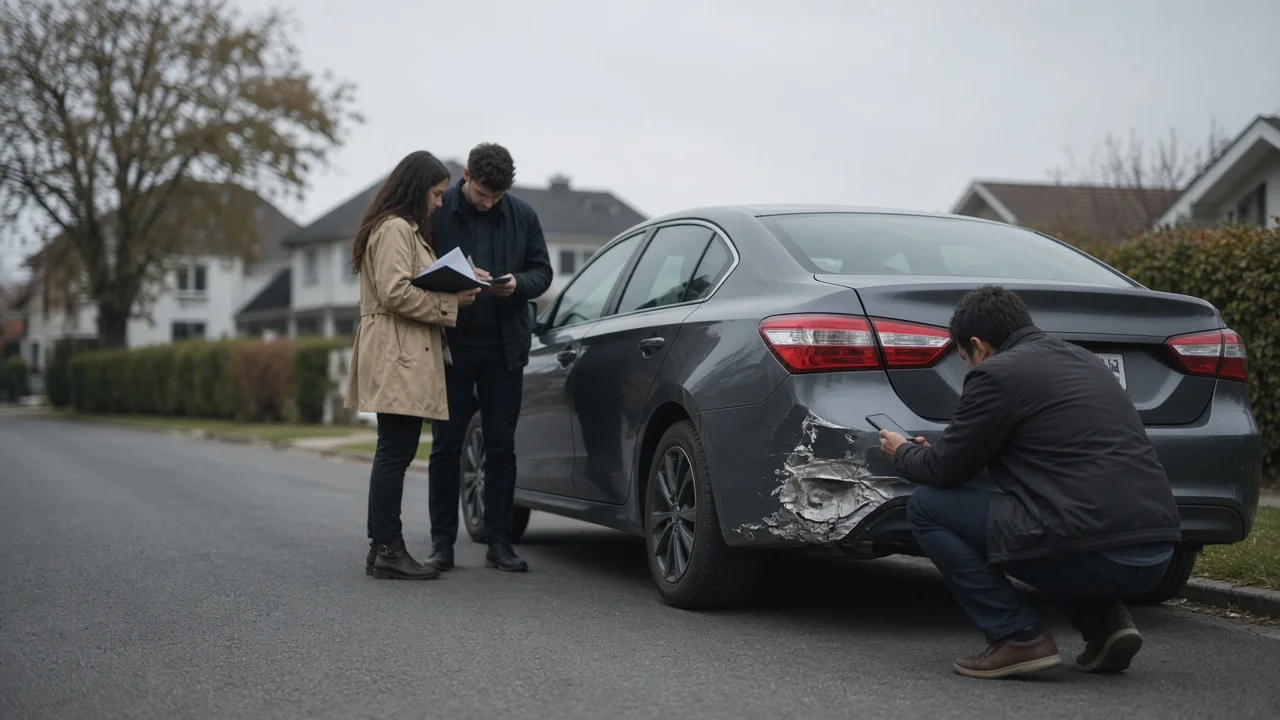
Make sure everyone is safe and contact police or emergency services if needed. Report the incident to your insurer promptly; most policies require timely notice. An adjuster, the person who investigates and values the claim, is assigned and may contact you, other parties, and witnesses. The vehicle damage is inspected or estimated, sometimes from photos and sometimes in person. Coverage and, where relevant, fault are determined. Payment is issued for covered amounts, minus any deductible, or the claim is denied with an explanation.
Information to Have Ready
Your policy number and the name of the policyholder; Date, time, and location of the incident; A brief factual description of what happened; Names, contact details, and insurance information for other drivers involved; Vehicle details, including plate numbers; Photos of the vehicles, the scene, and any visible injuries; Witness contact information; A police report number, if a report was made
Gaps to Confirm Directly With Travelers
Before relying on any assumption, confirm these points with Travelers or your agent:
Which reporting channels are currently available to you; Any deadline your policy sets for reporting a loss; Whether you may choose your own repair shop; How rental car costs are handled during repairs; How to check the status of an open claim; How to dispute a settlement amount or a denial
If a dispute cannot be resolved with the insurer, your state's insurance department regulates insurers operating in that state and can explain the consumer complaint options available to you.