Transmission Shift Solenoid Replacement Cost: What Shapes the Price
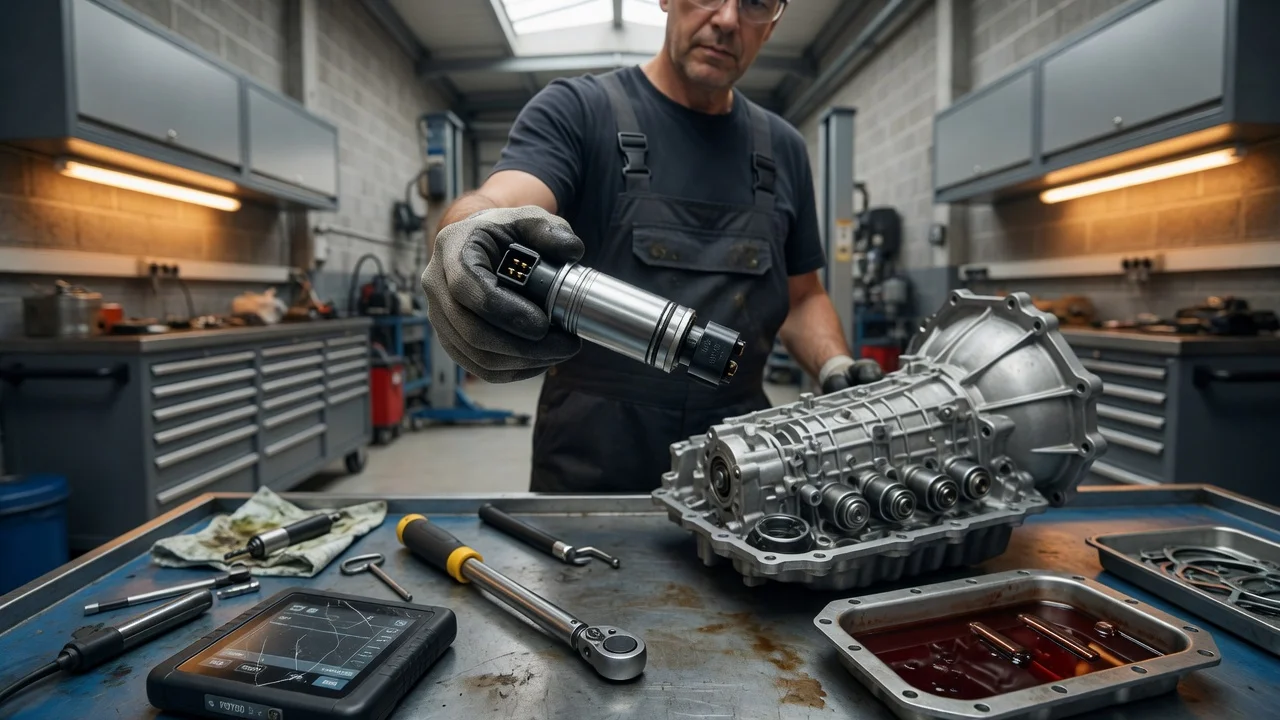
A shift solenoid controls fluid pressure inside an automatic transmission so it can change gears. When one stops working properly, you may notice harsh or delayed shifts, a gear that will not engage, or a warning light. What you pay to replace one depends on how your transmission is built, how hard the solenoid is to reach, and what the shop includes in the job. This guide explains how to read and compare estimates so you pay for the repair your vehicle actually needs.
What the estimate includes
A complete estimate usually covers diagnosis, the replacement part, labor to reach and install it, the fluid and any gasket, seal or filter disturbed during the work, and a road test to confirm the repair. Many figures quoted by phone or listed online are partial. A parts price alone, or a labor charge without fluid, programming or diagnosis, cannot be compared fairly with a full out-the-door total. Before judging whether a quote is high or low, find out which of these pieces it contains.
The design of the transmission defines what is being replaced. Some units use individual solenoids that can be swapped one at a time. Others group them into a solenoid pack or block, and some integrate them with the valve body or the transmission control module in a single assembly. A quote for one solenoid, a full pack, or an integrated unit describes very different work and parts. Also keep in mind that a solenoid-related code or a shifting symptom does not by itself prove the solenoid has failed. Damaged wiring, a corroded connector, low or degraded fluid, a control module fault or internal mechanical wear can produce similar results, so the estimate should state what testing confirmed.
What changes the cost
The biggest factor is transmission type and configuration. Identify the exact transmission by its model code, along with the engine and drive layout, because two versions of the same vehicle can use different units. Access drives labor time. On some transmissions the solenoid can be reached by removing the pan, on others the valve body must come out, and some designs require removing the transmission or major disassembly. Labor hours rise accordingly, and that difference often outweighs the price of the part itself.
Parts choices matter too. Original-equipment, aftermarket and remanufactured parts differ in price and warranty, and correct fitment should be confirmed by VIN rather than by make and model alone. The fluid specification also affects the total: the transmission needs the correct fluid in the right quantity, and some units require a level check at a set temperature using a scan tool. Certain replacement solenoid packs or integrated assemblies need software programming or an adaptive relearn afterward, which may require specialized equipment and add a separate charge.
Location and shop type change the labor rate. Dealers, independent general repair shops and transmission specialists price their time differently, and rates vary by region. Coverage can change who pays at all: a powertrain warranty, extended service contract, recall or manufacturer service bulletin may apply, so check your vehicle's status before paying for the repair yourself.
Compare like-for-like options
Repair options generally fall into four levels: replacing a single solenoid, replacing the solenoid pack, replacing the valve body or integrated control assembly, or rebuilding or replacing the transmission when there is internal damage. Each level addresses a different problem. A low quote for one solenoid is not equivalent to a higher quote for a complete pack, and neither helps if worn clutches or a damaged pump are causing the poor shift behavior.
To compare offers on equal terms, confirm that each one uses the same part type and quality level, includes fluid, filter and gasket where needed, and covers any programming or relearn. Compare warranty length and whether it covers parts only or parts and labor. Ask whether the diagnostic fee is credited toward the repair. If a shop reports metal debris, burnt fluid or slipping, ask how that changes its recommendation, since replacing a solenoid alone may not restore normal shifting in that situation.
Read an itemized quote
A useful quote lists each charge separately. Look for the diagnostic fee and the diagnostic codes recorded, the part description with its part number and brand, the quantity, labor hours and the hourly rate, the fluid type and quantity matched to the manufacturer's specification, and any filter, pan gasket or seals. Programming or relearn should appear as its own line if required. Shop supplies, disposal fees and taxes are often added at the end and can make one total look very different from another.
Pay equal attention to what the quote leaves out. Ask what happens if the new solenoid does not resolve the problem, whether any additional work requires your approval first, and whether a verification road test is included. Get the warranty terms in writing. Be cautious with vague line items such as a general transmission service with no description, because they make it impossible to tell what you are paying for.
Decide the next step
Start by gathering the information any shop will need: your VIN, the transmission identification, the stored diagnostic codes with freeze-frame data if available, a clear description of when the shifting problem happens, such as cold starts, highway speeds or specific gears, and your service history, including the last fluid change. Request diagnosis that confirms the cause before parts are ordered, and check for warranty coverage, recalls or service bulletins. Then obtain at least two itemized quotes that cover the same scope.
Avoid shortcuts that can cost more later. Do not buy a solenoid based on a code alone, and do not top off the transmission with a fluid that does not meet the specified standard. Do not skip a required programming or relearn step, since the transmission may continue to shift poorly without it. If the vehicle goes into a reduced-power or limited-gear mode, limit driving until it is diagnosed, because continuing to operate a malfunctioning transmission can turn a contained repair into a much larger one.