Transmission Code Scanner
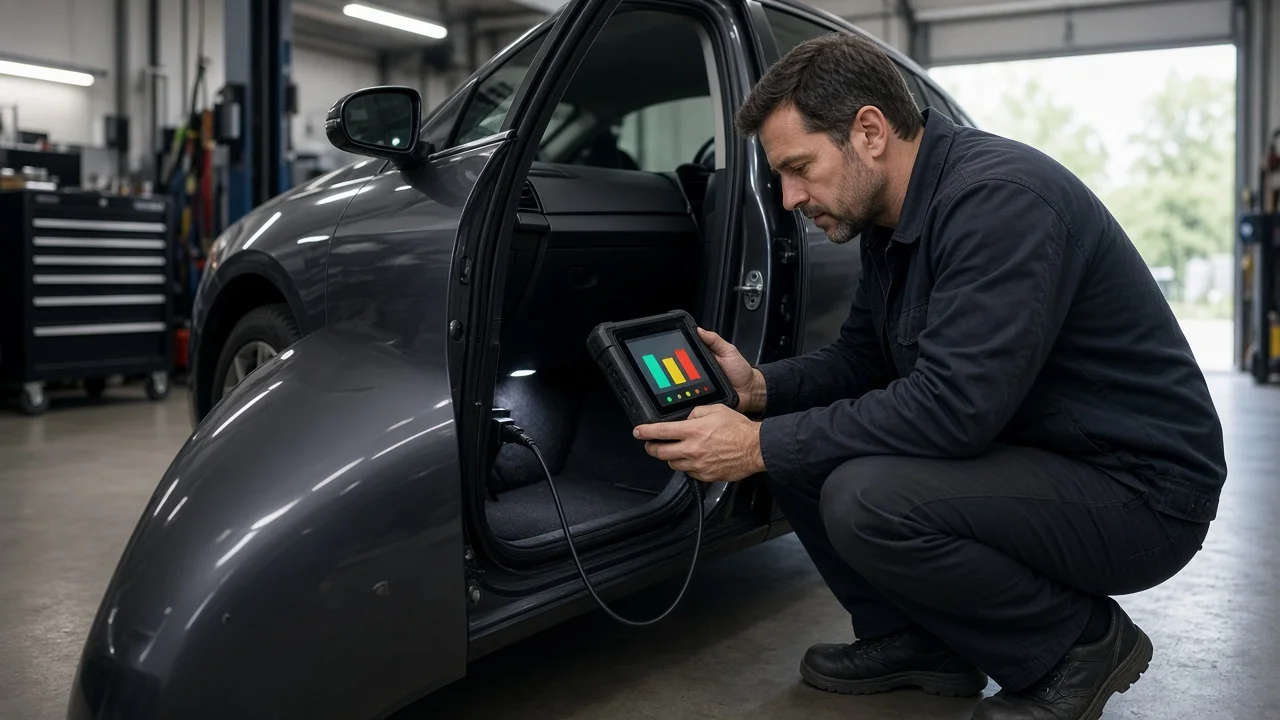
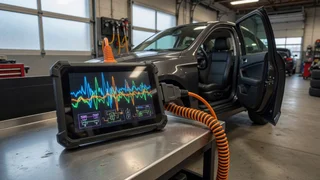
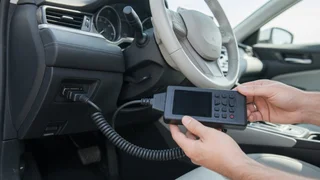
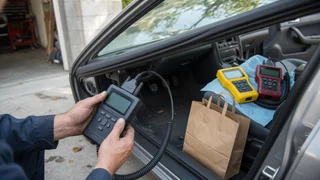
A transmission code scanner is the fastest way to turn a dashboard warning or rough shift into useful information. Instead of guessing whether the transmission type, fluid specification, or shift behavior is at fault, the tool reads diagnostic codes stored by the vehicle. Matching those codes with service history and fitment details helps narrow repair options. The right scanner should display transmission-specific data clearly enough for purchasing decisions, fluid checks, or a focused trip to a shop.
The direct answer
A transmission code scanner should read powertrain and manufacturer-specific diagnostic codes, but the immediate answer depends on what the vehicle can broadcast. Basic OBD-II tools pull generic P0700-series codes that point to the transmission control system. A more capable unit also reads enhanced codes for shift solenoids, pressure sensors, and torque-converter behavior. Before buying, confirm the scanner supports the model year and transmission type so it does not stop at a vague generic alert.
Use the first code as an observation, not a parts list. For example, a pressure-related code may reflect low fluid, a filter restriction, or a worn pump. Check the fluid level and condition against the correct fluid specification before replacing expensive components. Reviewing recent shift behavior and service history adds context. If the code is manufacturer-dependent, the scanner should identify the exact module and condition, which keeps the next repair option grounded in evidence rather than guesswork.