Trailer Hitch Pins: Sizes, Locking and Anti-Rattle
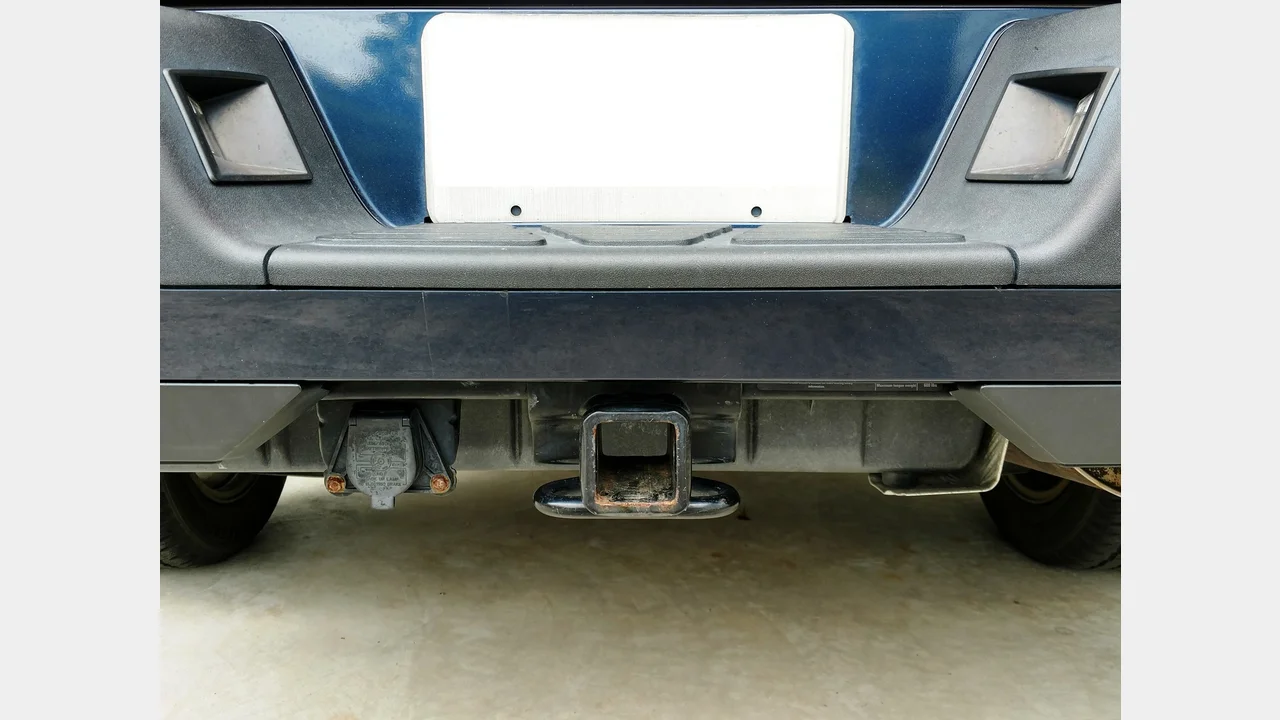
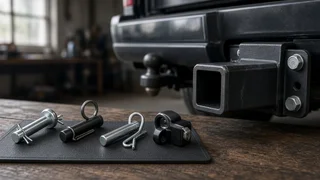
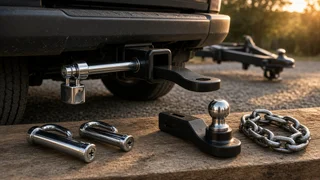
Choosing the right trailer hitch pin matters more than many drivers expect. A pin that fits loosely lets the drawbar rattle and clunk over every pavement joint, while an undersized one can create unsafe play. Shoppers often compare a 5/8 trailer hitch pin with a 3/4 trailer hitch pin, or check a 5/8 trailer hitch pin lock for security. The correct diameter, length, and retention style reduce movement and make coupling more predictable. This guide explains what to look for when a standard hitch pin is noisy, insecure, or simply the wrong fit.
The direct answer
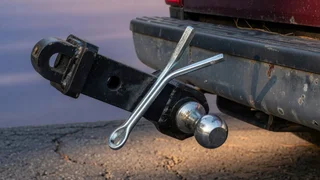
An anti rattle trailer hitch pin addresses the common problem of drawbar movement inside the receiver tube. The direct answer is that most 2-inch receivers accept a 5/8-inch diameter pin, so a 5/8 trailer hitch pin is the usual starting point for Class III and IV hitches. The pin must be long enough to pass through both outer walls of the receiver and the drawbar shank, with enough exposed shank for a clip or lock. A 3/8 trailer hitch pin is generally too narrow for that receiver class and may allow damaging play.
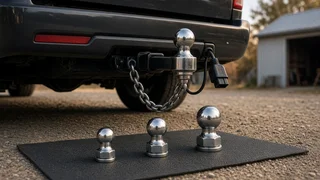
A 3/4 trailer hitch pin sometimes appears with heavier-duty receiver setups or add-on accessories, but the smaller 3/8 inch trailer hitch pin is normally reserved for light couplers, cargo carriers, or ATV implements. If you are browsing a hardware retailer for an ace hardware trailer hitch pin or an amazon trailer hitch pin, measure the receiver outside width and confirm the drawbar hole before buying. For an ATV trailer hitch pin, the focus shifts to smaller couplers and tongue-mounted accessories where a 5/16 trailer hitch safety pin may be the actual match.