Cotter Pin for Trailer Hitch
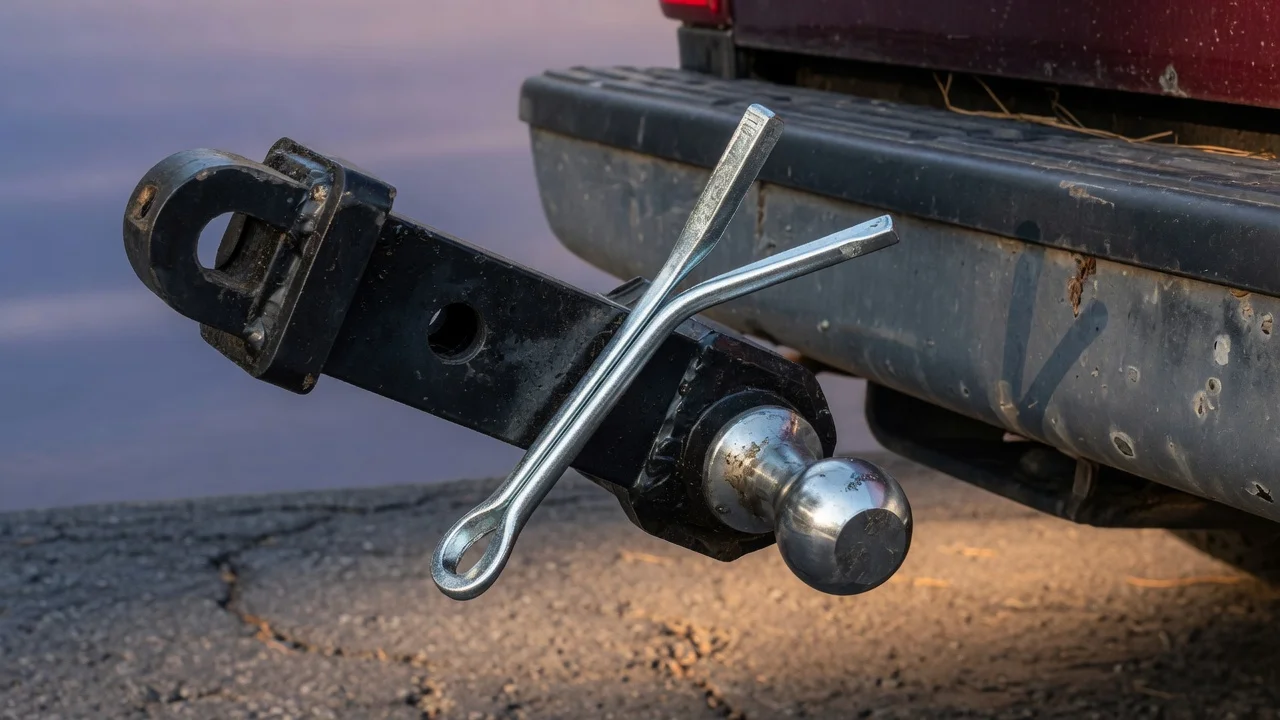
What a trailer hitch cotter pin does
A cotter pin is the small metal retaining pin that passes through the hole near the end of a hitch pin. Its job is to stop the hitch pin from sliding out while you tow. The cotter pin is a safety backup, but it carries little load on its own in a properly fitted hitch.
The immediate answer
In most light-duty and medium-duty receiver hitches, the cotter pin is a simple hairpin cotter or R-clip fitted to a 5/8-inch diameter hitch pin. The exact cotter pin size depends on the hitch pin, not the receiver class by itself, because Class III and Class IV hitches can share a 5/8-inch pin while using different trailer ball mounts.
Common sizes and fitment
For a standard 5/8-inch hitch pin, a cotter pin with roughly 1/8-inch wire diameter is typical. The usable length only needs to clear the cross-hole in the hitch pin plus a small bend allowance. If the hitch pin cross-hole is at the 3/16-inch drill size, a 3/16-inch cotter pin may fit more snugly, but this should be verified against the specific pin in hand because hitch pin hole diameters are not universal across brands.
Heavier pintle hitches and commercial drawbars sometimes use larger latch pins with larger cross-holes. Those may need a bigger cotter pin or a dedicated linchpin. If the cotter pin feels loose enough to rotate freely without spring tension, it is probably undersized.
Material and corrosion considerations
Zinc-plated steel cotter pins are common and inexpensive, but they can rust in wet or salted road conditions. Stainless steel cotter pins resist corrosion better and are suitable for frequent towing near coastal or winter road environments. Stainless is generally softer than hardened carbon steel, but for a retaining clip this is rarely a concern because the direct load is small.
When a cotter pin is not enough
A bent cotter pin can be reused after straightening, but repeated bending weakens the wire and can lead to failure. Replace it if the legs are cracked, heavily corroded, or no longer hold spring tension. For towing applications where the hitch pin is exposed to vibration, a locking hitch pin with a key may be a more secure replacement if theft or accidental release is a concern.
Safe replacement practice
Match the new cotter pin to the hitch pin cross-hole size. Spread the legs only enough to keep the cotter pin from backing out; over-bending makes future removal difficult and accelerates fatigue. If the cotter pin is missing and you do not know the original size, measure the hitch pin hole with a drill bit or caliper instead of guessing by receiver class alone.