Trailer Hitch Ball Sizes: Choosing and Buying the Right Ball
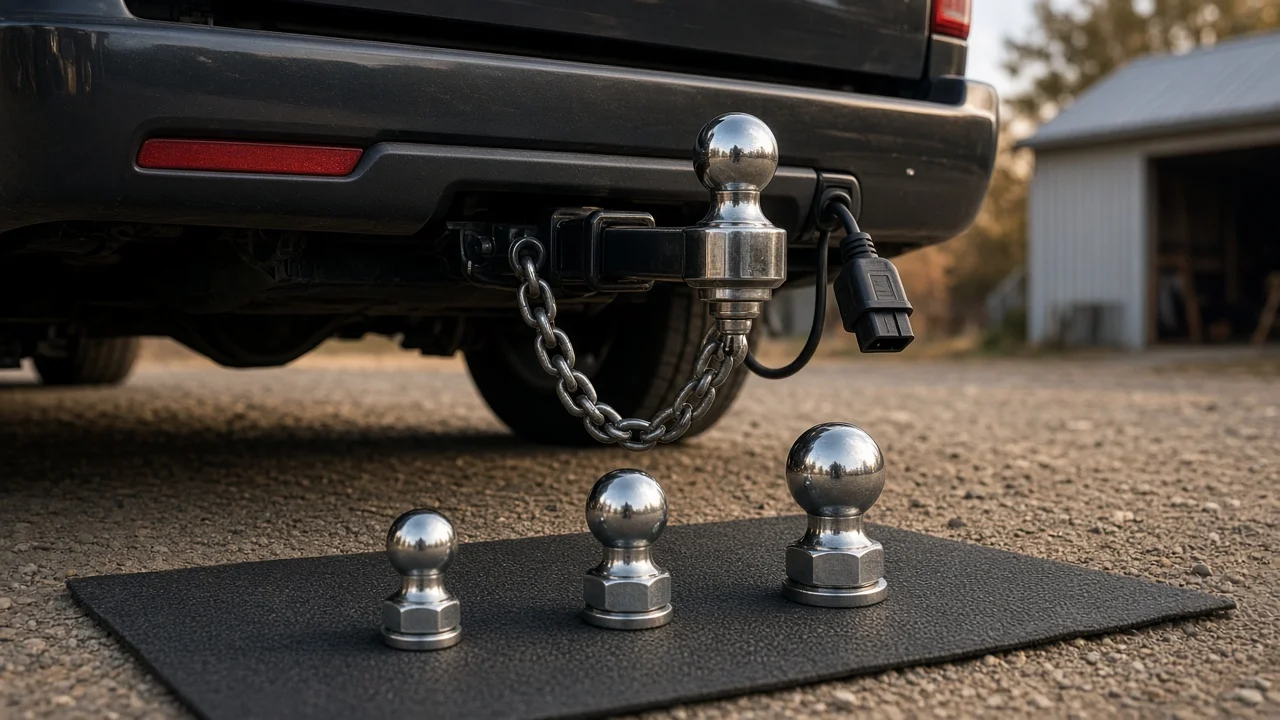
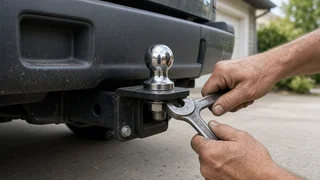
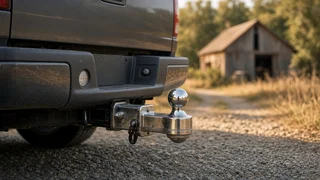
Choosing the correct trailer hitch ball size is the first step in a safe towing setup. The ball diameter must match the trailer coupler socket, while the shank diameter and weight rating must suit the ball mount and loaded trailer. Common options include a 2in trailer hitch ball for many light and medium couplers, a 3 inch trailer hitch ball for some heavy-duty hitches, and a 50mm trailer hitch ball where metric components appear. A 7 8 trailer hitch ball and other fractional sizes fit specific older or utility couplers. The right choice also depends on gross vehicle weight rating, tongue weight, and coupler configuration, not on the ball alone.
Essential answer
The essential answer is that the hitch ball must match the inside diameter stamped on the trailer coupler. A 2in trailer hitch ball mates with a 2-inch coupler, which is common on many light-duty and medium-duty trailers. If the ball is undersized, the coupler can bounce and separate under load; if oversized, it will not seat. Reading the coupler marking or measuring its socket with a caliper gives a direct confirmation, while trailer documentation may also list the required diameter.
The complete assembly includes more than ball diameter. The threaded shank or weld-on base must fit the hole in the ball mount, and the ball’s load rating must meet or exceed the trailer’s tongue weight, typically a fraction of gross vehicle weight rating. A 2in trailer hitch ball can be found in different shank diameters and capacities. The coupler’s latch mechanism and the trailer’s loaded condition determine whether the connection stays secure, so weight ratings should be checked from the tow vehicle, hitch, ball mount, and coupler together.
Relevant alternatives
When comparing alternatives, a 2in trailer hitch ball works well for common utility, boat, and light cargo trailers, while a 3-inch trailer hitch ball is used mainly with heavy-duty or agricultural couplers that are clearly stamped for that larger size. A 50mm trailer hitch ball is nearly identical to a 2-inch ball but is sized for metric couplers; because the difference is small, mixing the two can create a loose or tight fit and should be avoided unless the coupler specifically allows it.
A 7 8 trailer hitch ball and other smaller fractional sizes serve light couplers found on some older or specialty trailers. The stronger choice is not always the largest ball; it is the ball that matches the coupler, shank, and load. Shoppers may look at an Amazon trailer hitch ball, an Ace Hardware trailer hitch ball, or an Advance Auto trailer hitch ball, but the product listing should first be checked against the coupler stamping and the ball mount hole. For an Airstream trailer hitch ball size, the trailer’s own coupler specification should guide the decision, because the ball must match that socket even when the tow vehicle is capable of more.