Toyota Tundra Hood Release Cable Broken
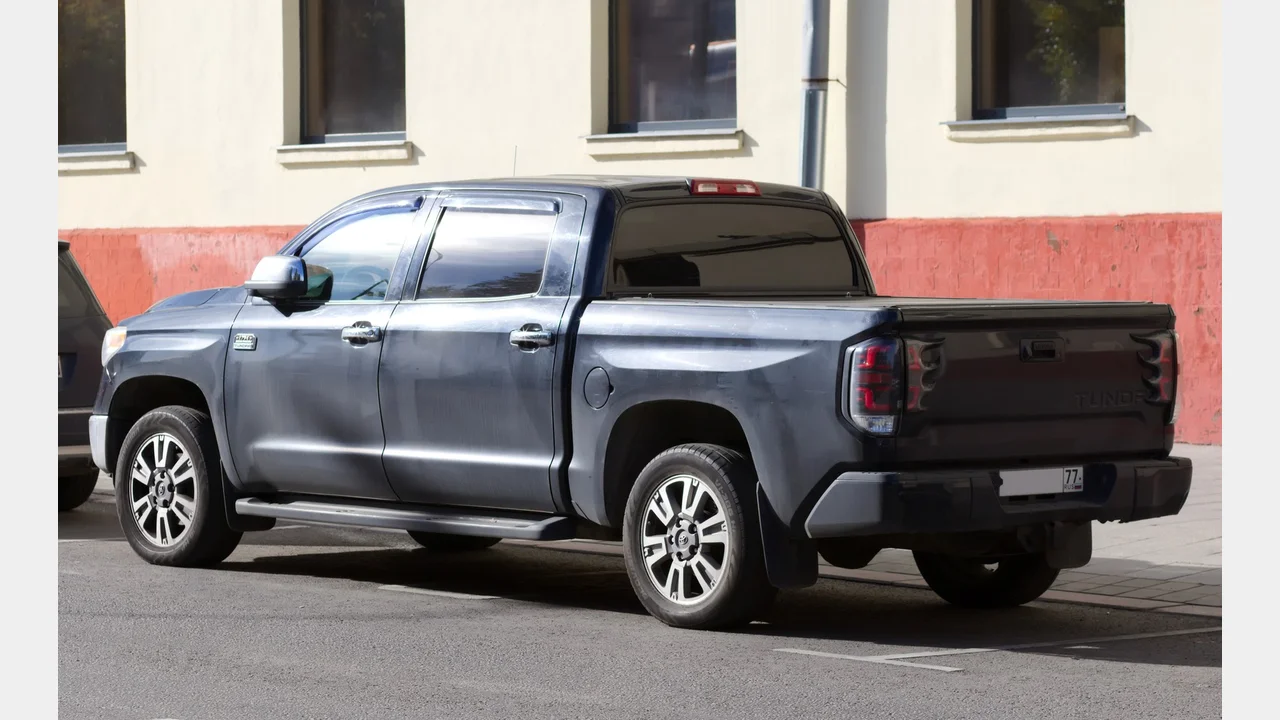
A hood that refuses to open on a Toyota Tundra usually points to a broken hood release cable, a stretched inner wire, or a detached latch connection. The symptom is specific: the interior handle may feel loose, stiff, or silent without the familiar pop from the front. Because under-hood access is essential for fluid checks and battery service, owners need to separate cable failure from latch misalignment, hinge binding, or a failed strut. Understanding the release path from the cabin lever through the actuator to the primary latch helps a Tundra owner choose between an immediate release method and a more durable repair.
Essential answer
A broken Toyota Tundra hood release cable means the mechanical link between the cabin-mounted handle and the front latch no longer transmits enough pull to release the hood. The failure may be a snapped inner cable, a housing that has pulled out of its bracket, or a ferrule that has separated at the latch end. In some trucks the cable is intact but the latch itself is seized or the secondary safety catch is holding the panel down. Because the Tundra hood is heavy and mounted on hinges with a prop rod or struts, a complete release requires both the primary latch and the manual safety lever to move.
The direct answer depends on where the release effort is lost. If the handle swings freely, the inner cable likely broke or became disconnected. If the handle is hard to pull but the hood stays closed, the latch, alignment, or a dry actuator may be contributing. Cable replacement is the common fix for a confirmed break, but the latch should be cleaned and exercised at the same time. Check that the weather seal is not swollen and that the hood is centered between the fenders. Vehicle fitment matters when ordering a new cable, so a Tundra owner should confirm the part matches the cab and model year configuration.