Toyota trucks
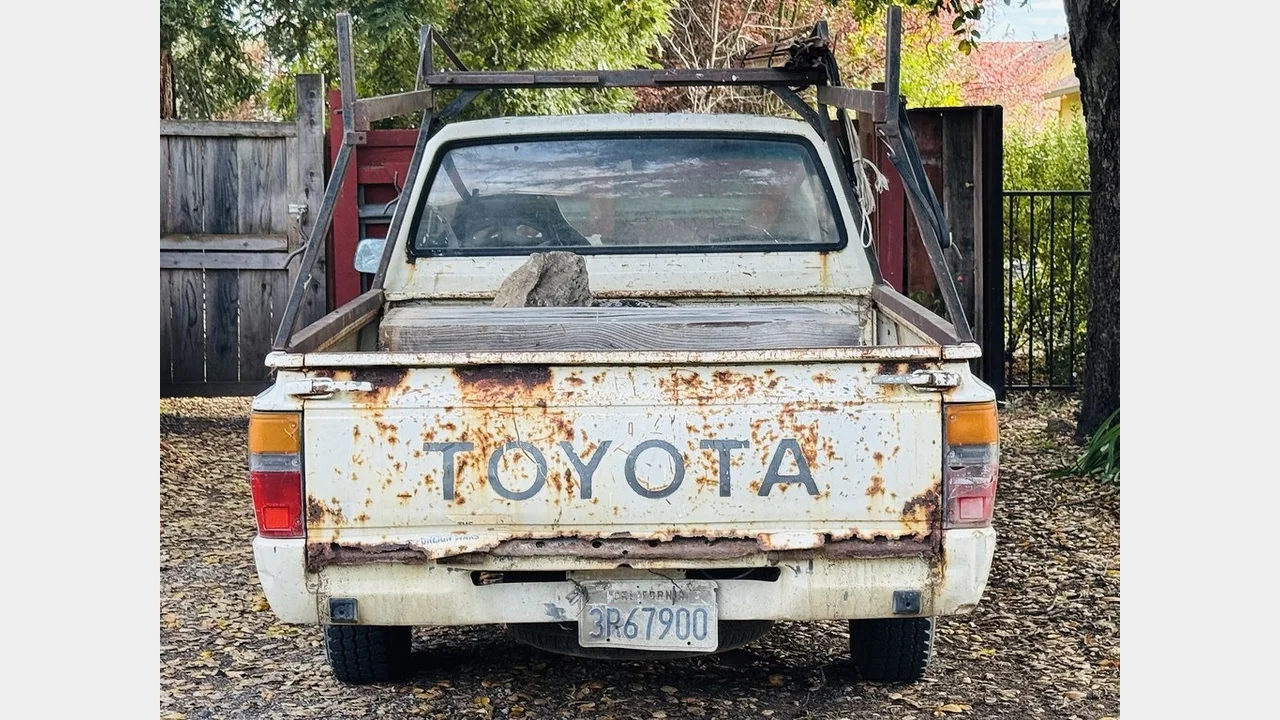
The term “Japanese Toyota truck” often points a buyer toward vehicles built for markets outside North America or toward the lineage of compact pickups that established Toyota’s reputation for durability. The essential answer is that Toyota produces a broad family of body-on-frame trucks, and a Japanese-market example may differ from a US-market truck in powertrain configuration, trim level, model generation, market specification, and available body styles. Understanding those differences helps a shopper interpret what a particular listing or import may actually represent before making an ownership decision.
Essential answer
A Japanese Toyota truck is generally a light-duty pickup developed by Toyota, but the phrase can refer to several different lineages depending on model generation and market specification. In Japan, compact trucks have historically been shaped by tax classes, narrow road dimensions, and engine displacement limits, which can produce a truck that looks familiar yet carries a different powertrain configuration than its American counterpart. Some classic examples were sold as the Hilux in Japan while closely related trucks were badged differently in North America, so the imported vehicle may share a platform without sharing every badge or body style.
For a US reader, the useful distinction is not simply where the truck was assembled but which market specification governed its equipment. A Japanese domestic market truck may have a smaller engine, different bed dimensions, unique trim level content, or right-hand drive, all of which affect daily usability and parts support. When a listing says “Japanese Toyota truck,” the essential answer is therefore that the vehicle belongs to a recognized Toyota pickup family, but its exact model year, model generation, and configuration need to be confirmed against the market for which it was originally built.