Toyota trucks

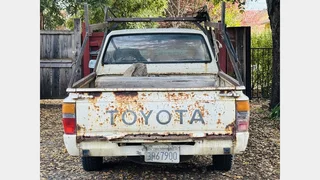
The search for a Toyota truck often begins with one broad question: does the Japanese automaker build a vehicle that is a truck in the traditional American sense while carrying passenger car comfort? Toyota has produced several pickup and truck-like models over the years, and the meaning of the phrase can shift depending on model generation, market specification, and body style. A shopper may encounter compact pickups, midsize trucks, and full-size haulers, each with different powertrain configurations and trim levels. Understanding what distinguishes these vehicles helps a buyer move from a vague internet query to a practical shortlist that matches intended use.
Essential answer
Toyota is best known in the truck category for its pickup lines rather than a single model literally called a car truck. The wording usually reflects a shopper trying to separate Toyota’s truck-based vehicles from its cars, crossovers, and SUVs. Depending on the era, the answer may include compact pickups, the midsize Tacoma, and the full-size Tundra. Each model family has evolved through distinct model generations, so the same name can describe very different capabilities, sizes, and available trim levels across different model years.
Market specification also changes what a Toyota truck means. A vehicle sold for North America may have different engines, bed lengths, and cab choices than models offered in other regions. Body style matters too, because regular cab, extended cab, and crew cab layouts alter passenger space and cargo versatility. Powertrain configuration influences towing feel and fuel use, while trim level determines convenience, interior material, and off-road equipment. A buyer comparing Toyota trucks should therefore look beyond the badge and identify the specific generation, specification, and configuration that fits the job.