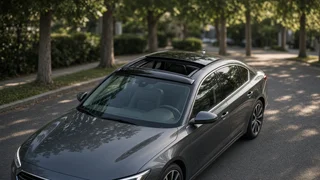
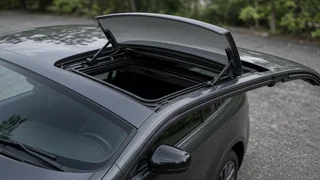
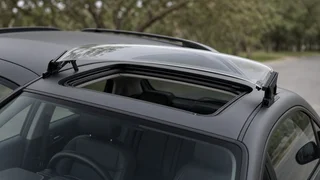
Toyota RAV4 Sunroof Wind Deflector
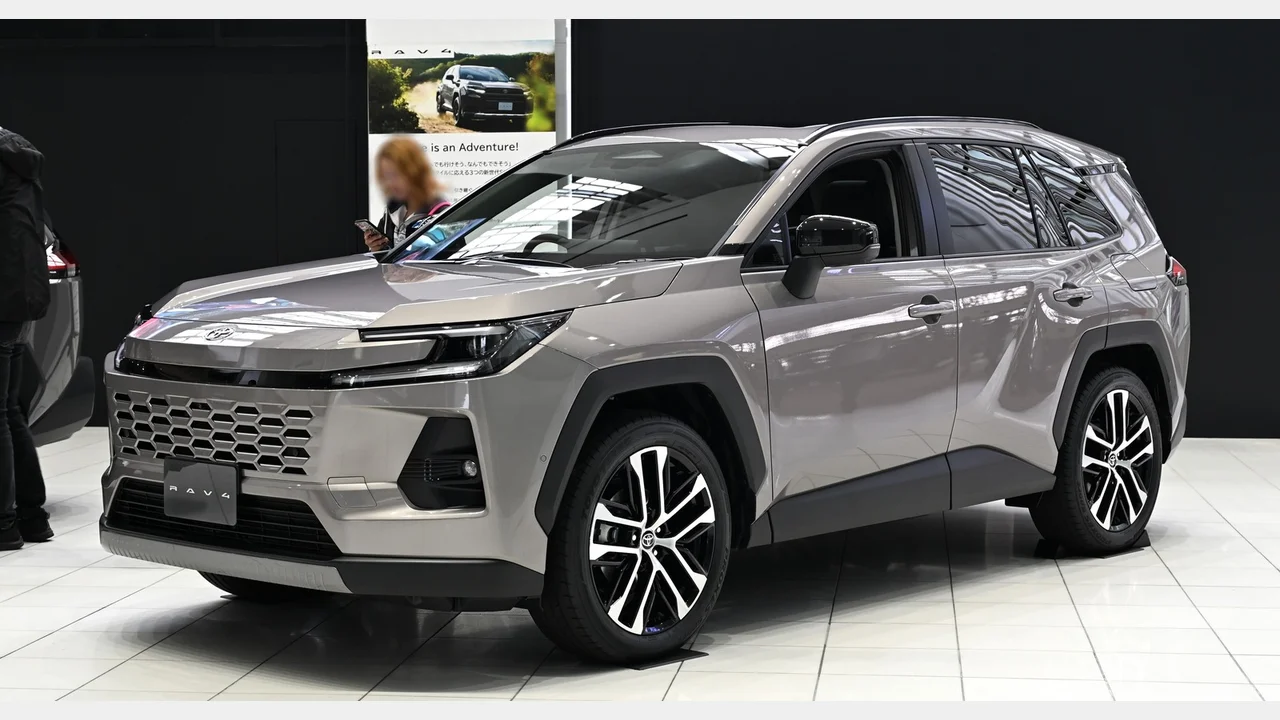
A sunroof wind deflector changes how air moves over the Toyota RAV4’s roof opening, reducing buffeting and wind rush at highway speeds. The right choice depends on the model year, model generation, trim level, and whether the deflector mounts to the glass, the roof panel, or the sunroof frame. Because the RAV4 has been sold in multiple body styles and market specifications, a deflector that fits one example may not suit another. Buyers should therefore treat fitment as the first decision, not an afterthought, before comparing materials, mounting style, and how the part affects noise, appearance, and everyday use.
The direct answer
For most RAV4 owners, the immediate question is whether a sunroof wind deflector fits their specific vehicle. The answer is usually yes for common panoramic or conventional sunroof layouts, provided the part is matched to the correct model generation and roof opening contour. A deflector sold for a different RAV4 body style or a different sunroof design may contact the moving glass, sit too far forward, or require holes that do not align. Fitment is therefore conditional on the model year and the trim level, since not every RAV4 includes the same sunroof assembly.
When the correct fitment is confirmed, the deflector’s practical job is to redirect airflow so the cabin experiences less low-frequency pressure fluctuation. In a RAV4 with the sunroof tilted or fully open, the leading edge of the opening can create a strong pulsing effect. A properly positioned deflector smooths that edge and reduces the drumming sensation. The benefit is most noticeable at 45 to 70 mph, where wind noise and buffeting are otherwise strong enough to make conversation or audio listening less comfortable.
Material choice and mounting style also shape the direct answer. Acrylic and polycarbonate shields are common, with some designs using a dark tint to match glass or trim. Stick-on mounts avoid drilling but depend on clean roof paint and stable adhesion, while mechanical mounts can be more secure yet require precise alignment and sometimes permanent modification. For a RAV4, the safest first step is to compare the deflector’s listed fitment against the specific sunroof type rather than assuming all RAV4 models share one roof profile.
Powertrain configuration does not change the deflector itself, but body style and market specification can. A RAV4 with a conventional forward sunroof may accept a narrow airfoil placed ahead of the opening, while a full-length panoramic roof may need a deflector designed for a wider, flatter leading edge. Owners should read the part description for notes about factory crossbars, roof rails, or wind noise packages. When fitment is uncertain, having the model year, body style, and sunroof type ready helps a parts retailer confirm the correct unit before purchase.