Toyota model lineup
Shoppers exploring Toyota car models often begin with a broad question: what does the current lineup actually include, and how do the names, body styles, and trim levels relate to everyday needs? The answer is less about memorizing a static list and more about understanding how the range is organized around different vehicle types, market specifications, and model generations. Looking at the Toyota car lineup this way clarifies why seemingly similar models occupy different roles and how a model year or powertrain variant can change capability without changing the familiar nameplate.
Essential answer
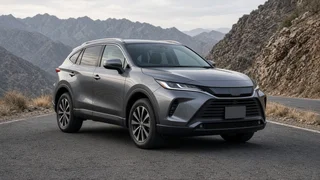
The Toyota car lineup is organized around recurring vehicle types rather than a single body style. In the US market, the range includes compact and midsize sedans, hatchbacks, SUVs, crossovers, trucks, and hybrid or plug-in powertrain variants. Names such as Corolla, Camry, RAV4, Highlander, Tacoma, and Tundra represent long-running model lines, while newer entries expand electrified choices and smaller crossover options. Because model availability shifts by market specification and model year, no universal Toyota car models list applies everywhere at once.
A useful way to read the lineup is to separate the model name from its generation and trim level. The nameplate persists across redesigns, but a single Toyota car name can cover different body styles or powertrain variants depending on the generation. A RAV4, for example, may appear with conventional gasoline, hybrid, or plug-in hybrid systems depending on version. Recognizing the difference between a model, a trim level, and a powertrain variant prevents confusion when comparing Toyota car types across dealerships or model years.
Vehicle type also shapes how the models behave in daily use. Sedans prioritize stable highway manners and accessible trunks, while crossovers and SUVs add ride height, cargo flexibility, and available all-wheel drive. Trucks emphasize payload, towing, and body configurations. Hybrid models shift the emphasis toward efficiency and smoother low-speed operation, while performance-oriented trims may trade some ride comfort for response. Considering the body style and powertrain together gives a more practical comparison than sorting Toyota car names by size alone.
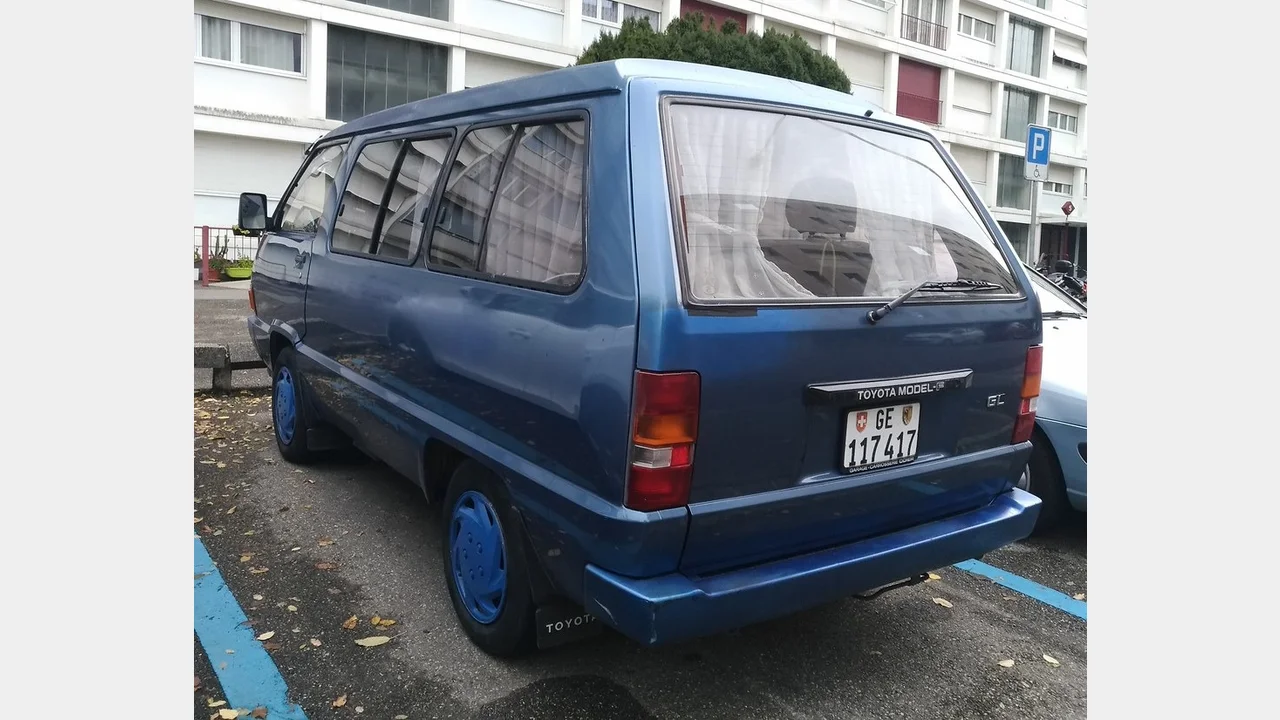
Because the lineup changes over time, model identification should include generation and model year context. A used Camry from one generation may differ meaningfully from another Camry built only a few years later, even if the badge and trim name appear similar. Market specification also matters, since a model sold in another country can have different engines, lighting, infotainment, or safety equipment. Confirming those details on the vehicle or through official model-year information is the most reliable way to match a name with actual equipment.