Toyota Cars in Pakistan: Lineup, Sources and How the Market Differs
Toyota is one of the most established car brands in Pakistan. Its models are seen as durable, easy to service and good at holding resale value. Toyota cars in Pakistan reach buyers through three channels: vehicles assembled locally by Toyota's Pakistani partner, fully built vehicles imported through official channels, and used Japanese vehicles brought in privately. Which channel a car comes from shapes its specification, price structure, warranty position and parts support. That makes the source just as important as the model name.
The Short Answer
Toyota's official presence in Pakistan runs through Indus Motor Company. It is a joint venture between the House of Habib group and Toyota companies, and it assembles vehicles at a plant near Karachi. Its local lineup has centered on the Corolla sedan, the smaller Yaris sedan, the Hilux pickup, the Fortuner SUV and, more recently, the Corolla Cross crossover. Larger and premium models have usually been offered as imports. Separately, a large used-import market supplies Japanese-domestic-market Toyotas that are not officially sold new in Pakistan. The exact lineup, trims and engines change from one model year to the next, so check current availability with an authorized dealer.
Key Terms Used in This Guide
Locally assembled (CKD): vehicles built in Pakistan from kits of parts, often with some locally made components. Completely built-up (CBU): vehicles imported fully assembled from another country. Market specification: the version of a model built for a particular country or region. It can differ in engine, equipment, emissions tuning and safety features. Model generation: a major redesign of a model. Cars within one generation share a basic platform and body. Model year: the year designation of a specific vehicle, which may carry smaller updates within a generation. Trim level: an equipment grade within a model, such as a base or top version. Powertrain configuration: the combination of engine, transmission and, where relevant, hybrid system and drive layout.
Locally Assembled Toyota Models
These are the models most Pakistani buyers mean when they talk about a new Toyota. Availability, trims and powertrains below are described in general terms. Details vary by model year and should be checked against the current dealer lineup.
Toyota Corolla
The Corolla has long been Toyota's core sedan in Pakistan and one of the most familiar cars on the country's roads. The Pakistani Corolla follows Asian-market specifications rather than North American ones, so it is not interchangeable with the US Corolla in styling, engine choice or equipment. Over several generations it has been offered in multiple trim levels, with names such as GLi, XLi and Altis used at different times. Both manual and automatic transmissions have been offered depending on trim and model year. Its strengths are wide parts availability, a large network of independent mechanics and strong resale demand.
Toyota Yaris
In Pakistan, the Yaris name refers to a compact sedan positioned below the Corolla, not the hatchback sold as Yaris in Europe or Japan. It is aimed at buyers who want Toyota ownership at a lower entry point. It has been sold in several trims, with names such as GLi and ATIV used, and with smaller-displacement engine options than the Corolla. Exact engines and trims depend on the model year.
Toyota Corolla Cross
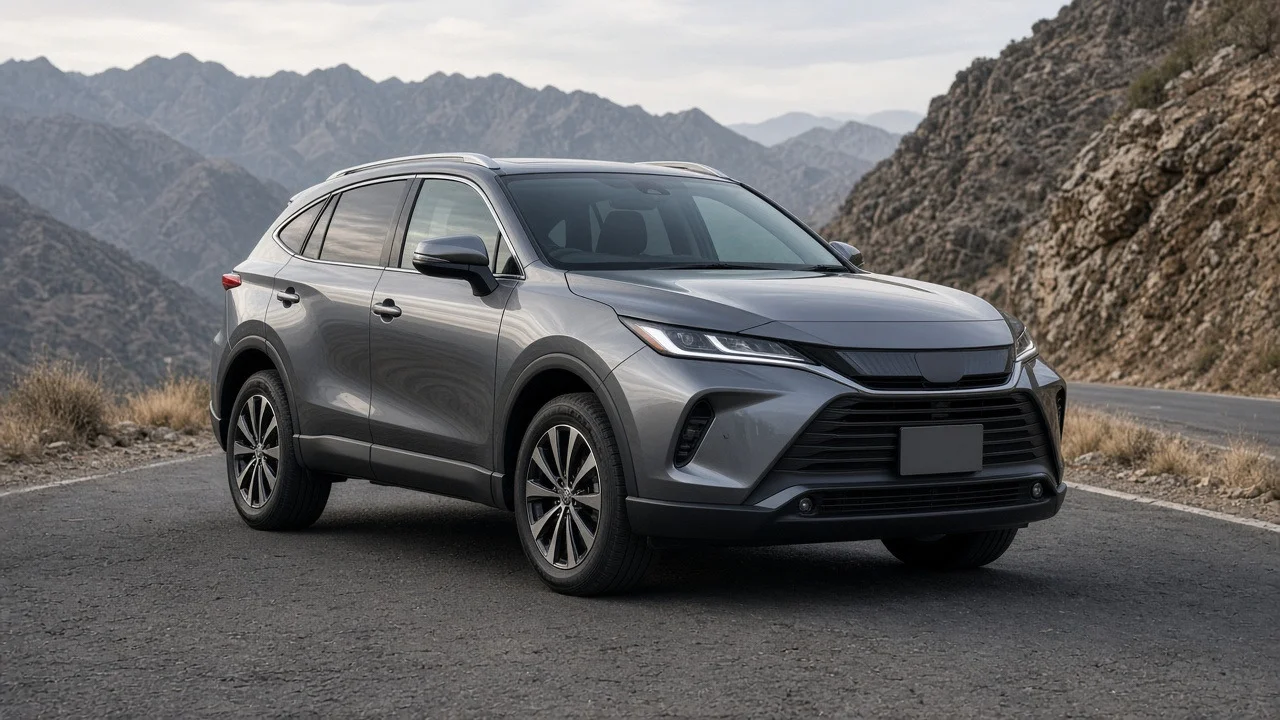
The Corolla Cross is a compact crossover that brought Toyota's hybrid technology into local assembly in Pakistan. A hybrid powertrain pairs a petrol engine with an electric motor and battery, and the car manages the switch between them automatically. It does not need to be plugged in. Buyers comparing it with the Corolla sedan are mainly choosing between a higher-riding crossover body and a conventional sedan. They are also weighing a hybrid's efficiency benefits against its higher price and the long-term question of battery replacement.
Toyota Hilux
The Hilux pickup is popular in Pakistan for commercial use, rough-road travel and as a lifestyle vehicle. Locally assembled versions have included the Revo and the more sport-styled Rocco, along with workhorse variants. Configurations differ in cab style, diesel engine, transmission and two- or four-wheel drive. Matching the exact variant to the intended use matters more here than with a sedan.
Toyota Fortuner
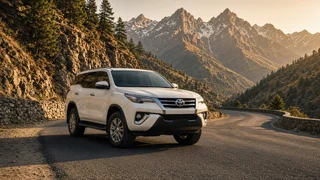
The Fortuner is a body-on-frame SUV built on the same basic platform as the Hilux. It offers seven-seat capacity and a sturdier layout than car-based crossovers. It has been offered with petrol and diesel engines, and a sportier Legender variant has also been sold. Body-on-frame means the body sits on a separate chassis, the traditional truck-style construction. That generally favors durability on poor roads and towing over ride comfort and fuel economy.
Imported Toyota Models
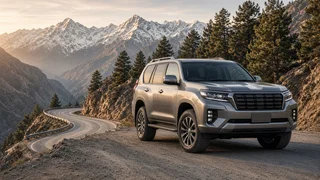
Models not assembled locally are typically imported as completely built-up vehicles. These have included the Camry sedan, the Land Cruiser Prado and the full-size Land Cruiser. Imported vehicles usually cost much more than locally assembled ones because of import duties and taxes. The market specification depends on the source country. Which models are offered through official channels changes over time and with government import policy.
The Used Japanese Import Market
A distinctive feature of Pakistan's car market is the volume of used Japanese-domestic-market Toyotas. Pakistan drives on the left with right-hand-drive vehicles, just like Japan, so these cars need no conversion. Common examples include hybrids such as the Aqua and Prius, small cars such as the Vitz and Passo, sedans such as the Premio and Axio, Hiace vans, and Land Cruiser and Prado SUVs. Several of these were never sold new through Pakistani dealers.
Import rules, permitted vehicle age and duty structures are set by government policy and have changed repeatedly. Anyone importing directly should confirm the rules in force at the time. For buyers of an already imported car, the practical concerns are the vehicle's history, the condition of any hybrid battery and parts availability, because Japanese-market versions may use components that differ from locally assembled Toyotas.
How the Sources Compare
Source | Typical examples | Main advantages | Main cautions; Locally assembled (new) | Corolla, Yaris, Corolla Cross, Hilux, Fortuner | Dealer warranty, official service network, widely available parts, strong resale | Pakistani market specification may have less equipment than overseas versions; delivery times can vary; Official import (new) | Camry, Land Cruiser, Prado | Models and equipment not available locally | Much higher cost from duties; fewer units; parts may be costlier; Used Japanese import | Aqua, Prius, Vitz, Premio, Hiace, Land Cruiser | Wide model choice, often higher equipment, hybrid options | History verification, hybrid battery health, Japan-specific parts, changing import rules
How Pakistani Toyotas Differ From Other Markets
Readers outside Pakistan, including in the US, should not assume a model name means the same car. Pakistani Toyotas are right-hand drive and built to regional market specifications. They may use different engines, suspension tuning, equipment levels and safety features from models with the same name elsewhere. Model generations can also run on a different timeline, so a new generation launched in one market may arrive later in Pakistan or not at all. When comparing specifications or reviews, check that the model year, generation, trim and powertrain all match the Pakistani version.
What to Check Before Buying
Confirm the source: locally assembled, officially imported or privately imported used. Match the exact model year, generation, trim and powertrain when comparing prices or reading reviews. For new cars, ask an authorized dealer about the current lineup, warranty terms, delivery timelines and booking conditions. For used Japanese imports, review the auction sheet and the import and registration documents, and arrange an independent inspection. For hybrids, have the battery and hybrid system checked by a technician familiar with Toyota hybrids. Check parts and service availability locally, especially for models not assembled in Pakistan. Verify current duties, taxes and registration costs, since government policy changes them.
Bottom Line
Toyota's position in Pakistan rests on a locally assembled core lineup of sedans, a hybrid crossover, a pickup and an SUV, backed by an official service network and a strong resale culture. Officially imported premium models and a large used Japanese import market add many more choices. For most buyers, the key decision is not just which Toyota to buy but which source it comes from. That choice drives specification, cost, warranty and long-term support. Lineups and policies change, so confirm current details with an authorized dealer or the relevant authorities before committing.