Toyota Mark X
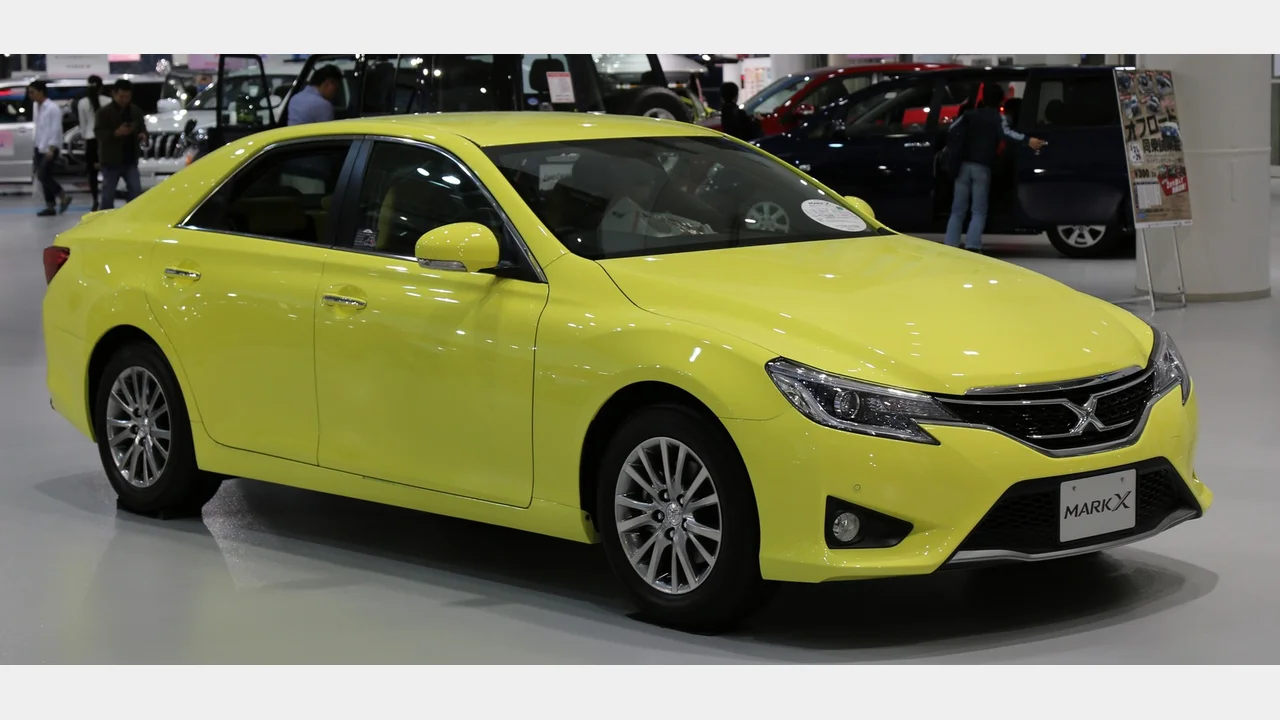
The Toyota Mark X is a mid-size sedan developed primarily for the Japanese domestic market and several neighboring regions, but the name often surfaces among US enthusiasts researching imported or specialty vehicles. Searching for a “mark x car” typically means identifying what this model is, how it compares with more familiar Toyota platforms, and why it appeals to drivers interested in rear-wheel-drive dynamics. Understanding its positioning requires looking beyond the badge and examining body style, powertrain configuration, model generation, trim level, and market specification, because these factors change the driving character and the practical realities of owning one outside its original market.
Essential answer
At its core, the Toyota Mark X is a rear-wheel-drive mid-size sedan that evolved from the long-running Mark II family. It should not be confused with the front-drive Camry or Avalon, even though similar size expectations can appear on paper. The model’s identity comes from a longitudinal engine layout and a cabin focused more on sporty refinement than maximum passenger volume. Within any model generation, available trim levels and powertrain configurations alter the experience considerably, so a base example and a higher-performance variant may feel like very different cars despite sharing the same fundamental architecture and body style.
Because the Mark X was built under a different market specification than mainstream US Toyotas, its features and service history depend heavily on the original selling region. A Japanese domestic version may have equipment, emissions calibration, lighting, and infotainment choices that were never offered on contemporary American sedans. When evaluating a particular car, the model year and model generation matter more than the Mark X name alone. Recognizing this scope is the essential first step: the Mark X is a distinct rear-drive sedan lineage, not simply a renamed version of a familiar US-market Toyota.