Toyota foreign car
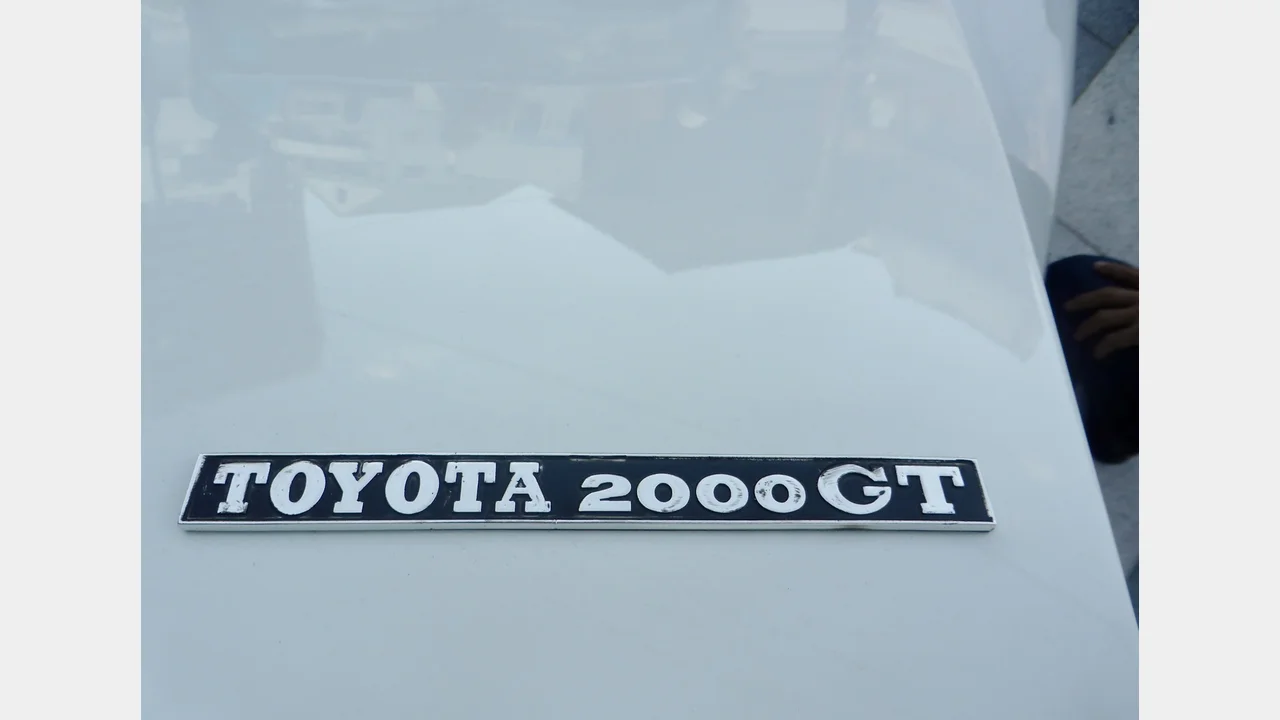
Seeing a Toyota on an American road often raises a simple question: is this a foreign car? The answer involves more than where the badge was designed. Recognizing the Toyota car emblem and understanding its global production footprint helps clarify why the brand occupies a unique space in the US market. This overview explains the symbol, the Japanese name behind it, and how regional assembly affects the everyday meaning of the term “foreign car” for buyers and owners.
Essential answer
Toyota is a Japanese automaker, but calling every model a foreign car overlooks the company’s extensive North American manufacturing. The Toyota car symbol, with its overlapping ovals, represents the relationship between the customer’s heart and the company’s heart, while the outer oval signifies global reach. The name itself reflects a deliberate choice made when the founding Toyoda family adjusted the branding for clarity and phonetic simplicity.
In China, the brand is rendered as 丰田, a name that conveys abundance and a cultivated field, which came from the market rather than a literal translation of the Japanese family name. A Toyota in Chinese characters therefore carries local meaning. In the US, factors like model year, body configuration, powertrain options, and equipment level often matter more than country of assembly when shoppers evaluate a particular vehicle.
Regional availability also shapes the foreign-car label. Some compact cars and trucks sold in the US are assembled in Texas, Kentucky, or Indiana, while other market segments are built in Japan or Canada. Because production location can vary by model year, a specific vehicle’s origin is best confirmed through its window sticker or VIN, not by the emblem on the grille.
The Toyota car emblem does not indicate where a particular vehicle was manufactured. The same badge appears on cars assembled in different countries. For ownership questions, this distinction affects parts sourcing, service familiarity, and resale expectations, but it does not change the brand’s Japanese engineering heritage. Buyers researching a Toyota foreign car should therefore separate corporate identity from final assembly location.