Torque Wrench for Car Brakes

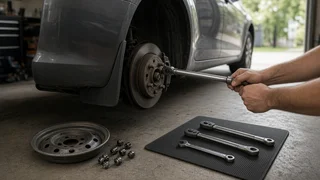
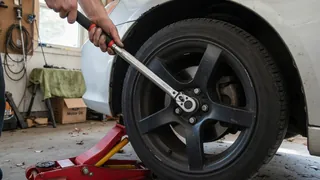
Choosing a torque wrench for car brakes comes down to matching the tool’s measurement range and drive size to the caliper bracket and guide pin fasteners you will actually tighten. Brake work rewards a wrench that reads clearly in the middle of its scale, holds calibration reasonably well, and gives consistent feedback before the fastener is overtightened. The right pick reduces uneven clamping, stripped threads, and warped hardware while making the job faster and more repeatable.
The direct answer
For most car brake work, a click-type torque wrench with a half-inch drive and a usable measurement range covering roughly 30 to 150 pound-feet handles the majority of caliper bracket bolts and guide pin fasteners. Accuracy matters most in the middle of the range, where a typical brake torque value falls, because wrench error becomes larger near the extreme ends of the scale. A model that stores at its lowest setting also holds calibration better between uses.
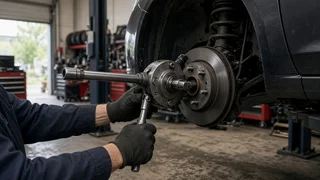
The connection between the wrench and the socket should feel secure without extra adapters that shorten reach or introduce slop. Brake fasteners often sit in tight wheel wells, so a shorter handle can be easier to move, while a longer handle gives more leverage on stubborn hardware. Verify the units you prefer are easy to read, and keep the vehicle specification handy before finalizing the torque setting.