Tire valve stem deflators
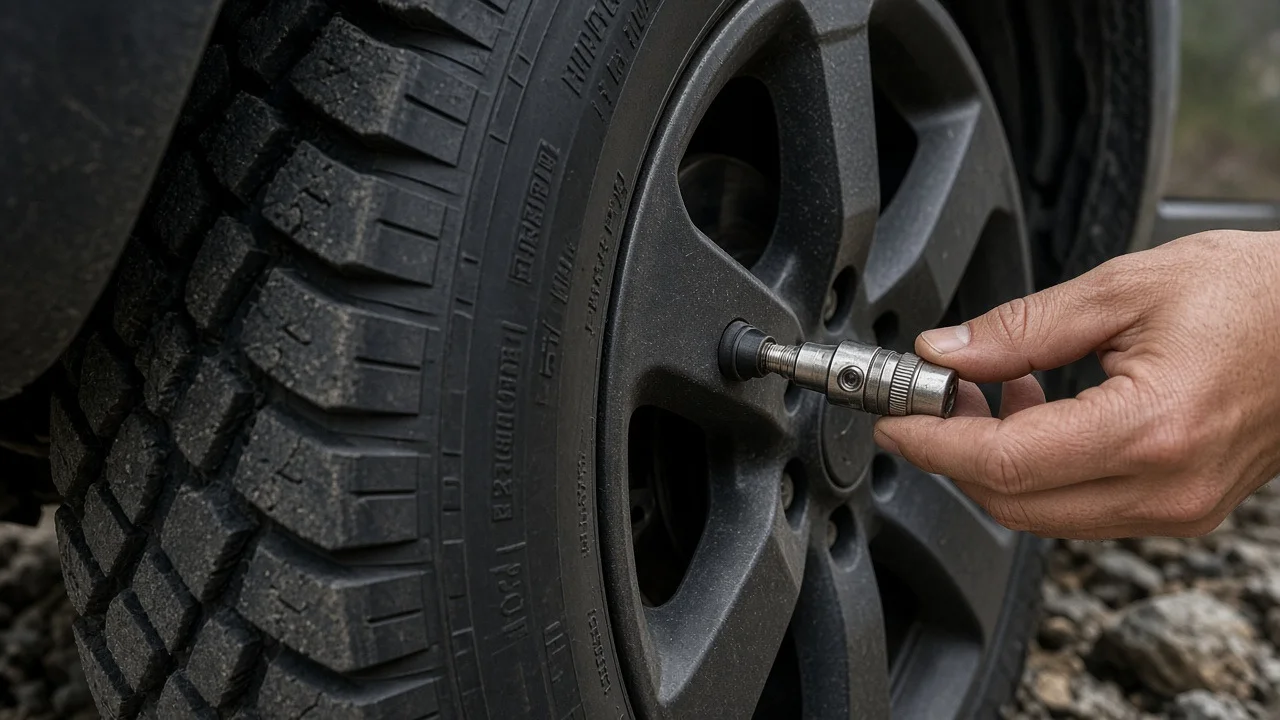
Choosing tire valve stem deflators means weighing speed, control, and compatibility with your existing valve hardware. These compact tools thread onto a Schrader valve and hold the core open so inflation pressure drops without kneeling at each wheel. The right set depends on tire size, intended terrain, and whether you want preset deflation or manual monitoring. Understanding how the mechanism interacts with tread depth, load index, and speed rating helps you select a product that lowers pressure consistently. This guide explains what to check before buying, how deflators behave in practice, and which ownership trade-offs matter for your vehicle.
The direct answer
Tire valve stem deflators are small threaded fittings that remove air by depressing the valve core after you attach them to the stem. Most designs allow rapid air release without holding a gauge or key in place, which is useful when preparing a vehicle for sand, gravel, or rocky surfaces. The immediate answer is that they work on standard Schrader valves, but the practical result depends on consistent starting inflation pressure and careful attention during the process. A deflator does not measure pressure unless it has an integrated gauge or stops automatically at a preset level.
Before buying, confirm the thread pitch matches your valve stems and that the body clears the wheel face. Some models are simple open-flow tools, while others stop closer to a target pressure within a range suitable for the tire size and drivetrain compatibility of the vehicle. Preset models can reduce operator error, but they still rely on a clean valve core and consistent seating. For most owners, the best choice is a deflator that provides tactile feedback or an audible release and does not require constant manual pressure.