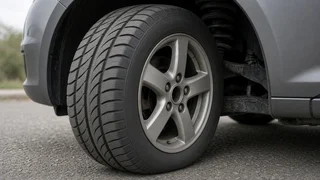
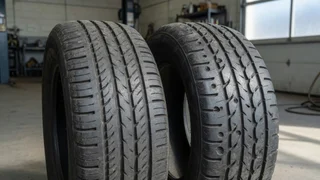
Tire Tread Feathering
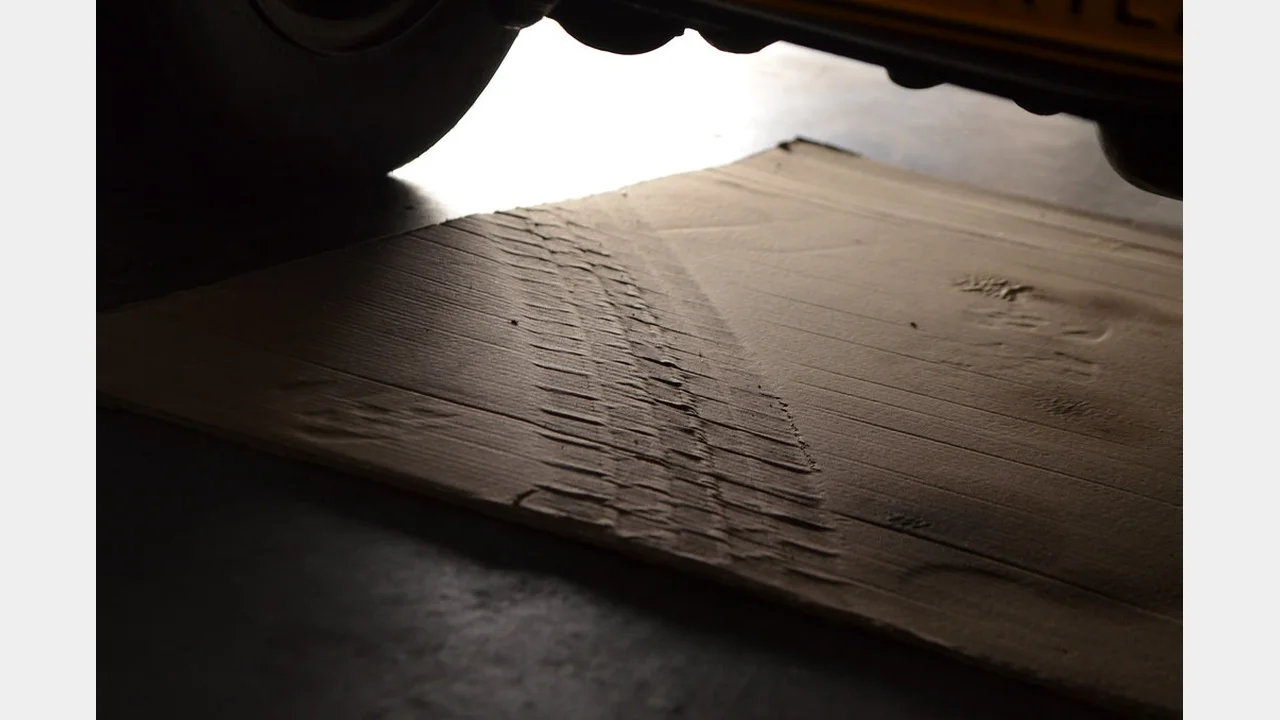
Tire tread feathering creates a distinctive wear pattern that can feel alarming before the cause is clear. Tread blocks develop angled edges, often rough when you sweep your hand one way and smooth the other, while the vehicle may still drive straight. Understanding why this irregular wear occurs helps connect symptoms such as tire noise or steering feel to suspension geometry, inflation pressure, and alignment history. The explanation below focuses on how feathering differs from normal wear and what conditions commonly allow it to develop.
Essential answer
Tire tread feathering is a specific type of irregular wear in which the leading or trailing edge of individual tread blocks wears lower than the opposite edge. Running a hand across the tire surface reveals a sawtooth feel. Unlike even wear that reduces tread depth uniformly across the tire size, feathering leaves the blocks loaded unevenly as they enter and leave the contact patch. The condition does not always pull the steering, but it reliably changes road noise and can accelerate the loss of usable tread depth before the wear bars are reached.
The pattern points toward a problem with how the tire meets the road, not simply the rubber compound. Alignment angles, especially toe, influence whether a tread block is dragged slightly sideways while it is in contact with the pavement. Worn steering or suspension components can create similar scrub because the wheel is allowed to move outside its designed position. Inflation pressure and load index affect the shape of the contact patch, which explains why a tire that is correctly specified on the vehicle placard can still feather if the alignment or dampers are degraded.