Timken SP580310 Wheel Bearing and Hub Assembly

Choosing a Timken SP580310 wheel bearing and hub assembly usually means you are correcting axle-end noise, looseness, or an anti-lock brake fault and want a unit that restores predictable handling. Because this is a pre-assembled cartridge, the bearing seat, mounting flange, and wheel-speed sensor ring are combined in one replacement part. That design reduces the chance of installation error compared with servicing loose bearings, but it still requires careful matching to the vehicle application. Understanding what the assembly does, how wear shows up, and which mounting details matter will help you buy with confidence and avoid returning a part that fits poorly.
The direct answer
This hub assembly is purchased when a drive-axle or non-driven wheel bearing has developed excessive play, rumbling that changes with steering load, or a damaged tone ring that disrupts the wheel-speed signal. The direct answer is that the Timken SP580310 should be selected only after confirming it matches your vehicle’s axle position, brake configuration, and sensor requirements. A catalog cross-reference is useful, but the final decision depends on the original hub’s mounting pattern and whether the replacement includes the correct preload for the axle nut.
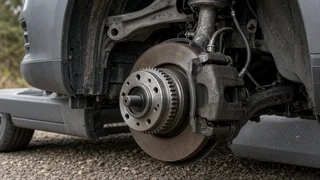
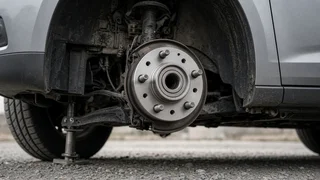
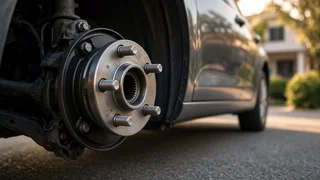
A hub assembly of this type carries the wheel and rotor while allowing the bearing to rotate smoothly under cornering and braking loads. If the old unit has a worn bearing seat or a damaged retaining ring groove, the new cartridge must restore the factory press-fit relationship between the knuckle and hub. Confirm the flange shape, lug stud count, and pilot diameter before purchase. When the vehicle shows a stored speed-sensor code, the new hub’s integrated encoder ring must match what the control module expects, because an incorrect signal can leave the warning light on.