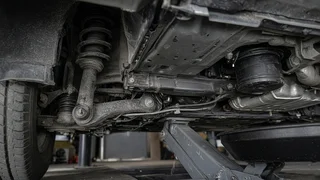
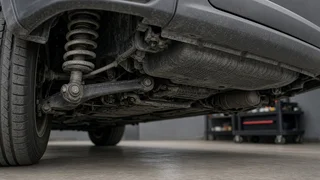
Tighten chassis and body nuts and bolts
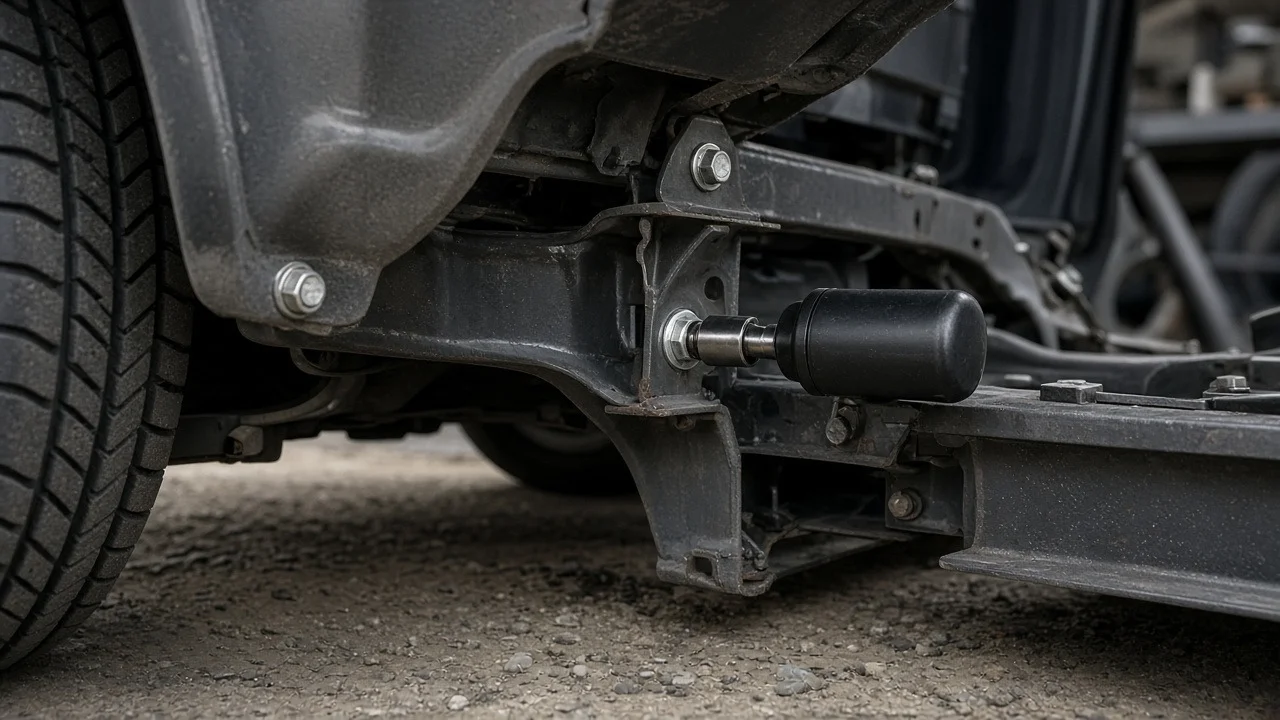
Loose hardware on a chassis or body can create noises, imprecise handling, and accelerated wear. A routine fastener check is practical preventive work for many vehicles, especially after suspension repairs, off-road use, or on older platforms where vibration works against clamped joints. It means inspecting accessible bolts and nuts, comparing them with the correct fastener specification, and bringing them to the proper torque setting in sequence. This overview explains what the task involves, why clamping force matters, and how to approach it without mistaking every tight-looking joint for a secure one.
Essential answer
The essential answer is that tightening chassis and body nuts and bolts is a selective inspection and retorque procedure, not a single uniform adjustment. It applies to fasteners that join suspension subframes, body braces, mounts, and other structural connections. The goal is to restore or confirm the designed clamping load. Because vehicle support and access determine whether a joint can be checked safely, the scope changes by location. Many fasteners are hidden behind underbody shields, wheel arches, or interior trim, so the job is often done during tire rotation, alignment work, or suspension service rather than as a standalone routine.
A torque setting is always the target, because modern hardware depends on stretch and clamping force rather than a vague sense of tightness. Simply running a wrench around until a bolt stops turning can leave a joint undertightened or overloaded, and reaction force can twist brackets or bushings. The correct socket fit matters just as much; a worn or loose socket can round a fastener head and produce a false reading. The practical interpretation is that this maintenance step is useful when there is a reason to suspect movement, corrosion, or previous repair work, but it is not a universal cure for every chassis noise.