Thermal Zero Turbo Blankets: Selection and Review Considerations
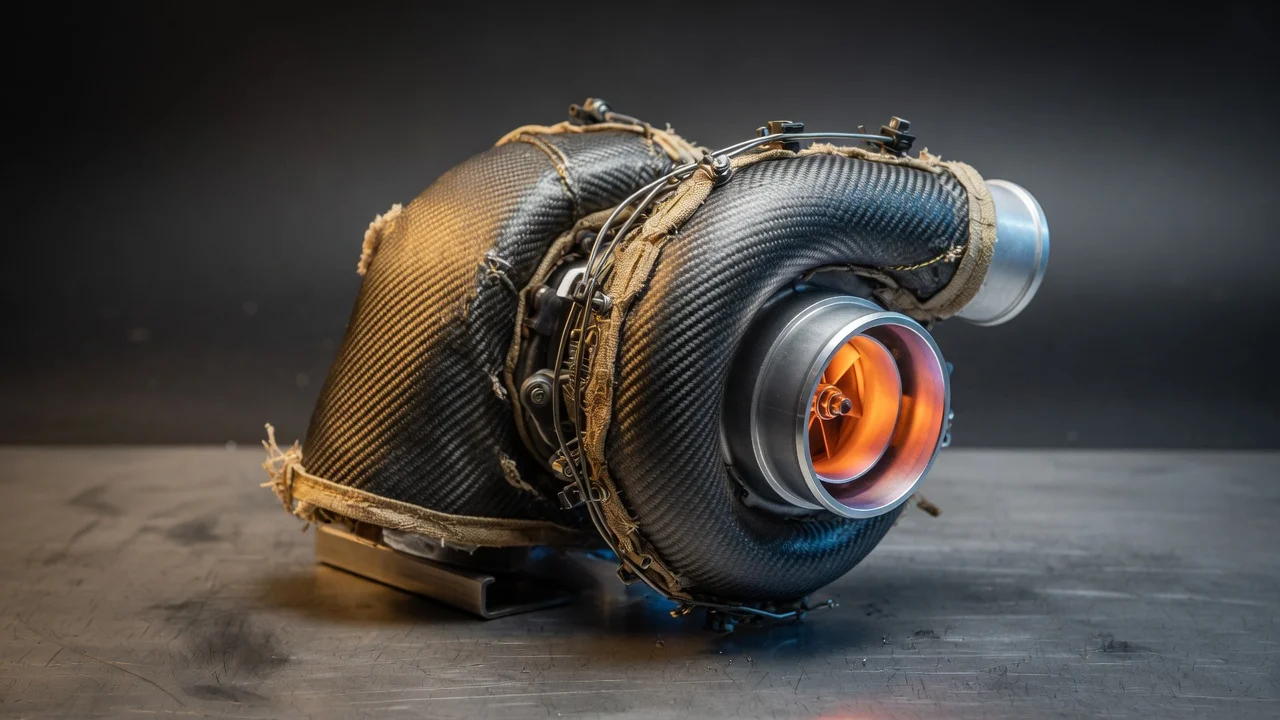
A turbo blanket wraps the turbine housing so exhaust heat stays inside the turbo instead of radiating into the engine bay. If you are reading a Thermal Zero turbo blanket review or comparing one against other heat wraps, three questions matter. Will it fit your exact turbo? Does it solve a real heat problem on your engine? What will it cost to live with? This guide works through those questions the way a shop would before installing one.
Define the job the product must do
Start with the problem, not the product. Owners usually fit a blanket to cut radiant heat reaching nearby parts: intake and charge piping, wiring looms, connectors, plastic covers, brake components or the underside of the hood. Track and towing use, tight engine bays and setups where the turbo sits close to the firewall are common reasons. Some buyers also expect quicker spool because more exhaust energy reaches the turbine wheel. Treat that as a claim to confirm on your own car, not a promised result.
Separate symptom reports from verified failures. A melted connector, brittle loom or blistered paint that you can see and touch is a verified heat problem with a clear location. A feeling that the car is slower when hot is only a symptom report. It can come from intake air temperature, fuel quality, boost leaks or timing correction, and a blanket addresses none of those directly. Note the symptom conditions: ambient temperature, whether it happens after idling in traffic or after repeated hard pulls, and whether it began after other work. Check the service history too. If a previous owner replaced the turbo or removed the factory metal heat shield, the job a blanket must do is different from that on an untouched engine.
Check compatibility
Fitment depends on the turbine housing, not on the vehicle name. Identify the turbo by the tag or part number on the unit itself. Then confirm the housing frame size, the inlet flange type such as T3, T4 or V-band, the outlet style, and whether the wastegate is internal or external. Model year and engine variant matter here. The same nameplate can use different turbos across years, between trim levels or between engine configurations, and twin-turbo and single-turbo layouts need different solutions. A listing that names only the vehicle is a starting point. The turbo part number is the real fitment check.
Next, look at the interfaces around the housing. The blanket needs openings that clear the wastegate actuator rod, oil and coolant lines, studs, any nearby oxygen sensor and the downpipe clamp. Make sure its attachment method, whether springs, wire or straps, can be reached and tightened in your engine bay. Confirm there is clearance to the firewall, hood and chassis once the extra thickness is added. Read the manufacturer specifications for your turbo and vehicle as well. Blankets are generally meant for the turbine housing only, so do not let one cover the center section or the oil and coolant fittings unless both the blanket maker and the turbo maker say that is acceptable.
Features that affect the choice
Construction is where real differences show up. Look at the inner layer that contacts the housing, the insulation thickness, the outer weave, the stitching and how the edges are finished. Labels such as titanium or lava describe the outer fabric. They do not tell you how the blanket performs at temperature. A temperature rating is useful only when the seller says whether it is a continuous or peak figure. Claims that a blanket lowers underhood temperatures by a set amount mean little without the test conditions, probe location and engine behind them.
Useful evidence includes a fit list by turbo part number or housing, clear photos of the inner side and cutouts, a plain statement of materials, written installation instructions, and owner measurements taken under stated, repeatable conditions. Reviews that say only that the car spools faster or feels cooler are weak evidence, because nothing was measured. Also check whether the blanket is shaped for a specific housing or sold as universal. A universal blanket may need adjustment, and cutting one that was not designed for it can expose the insulation and lead to fraying. Confirm which mounting hardware is included and whether replacement springs or fasteners can be bought separately.
Limitations and ownership costs
Install a blanket only on a cold engine. On some layouts the turbo has to be partly exposed, or removed, to fit it properly, which adds labor. Retaining hardware can settle or loosen after the first heat cycles, so recheck it after a few drives. If the instructions describe a break-in period or a first-heat procedure, follow it as written.
The main ownership risk is contamination. A blanket soaked by an oil or coolant leak is a fire hazard and should be replaced rather than dried out and reused. A blanket also hides the housing, so cracks, exhaust leaks and failing gaskets are harder to spot. Remove it during any turbo inspection instead of judging the housing from the outside. Vibration, moisture and repeated heating wear the fabric over time, and every turbo service adds removal and refitting time. Budget for eventual replacement and for any lost hardware.
Be clear about what a blanket cannot do. It will not fix a boost leak, a sticking wastegate or a worn turbo, and it will not clear diagnostic codes such as underboost or overboost faults. It may not replace a factory heat shield that protects a specific component. Some builders also worry that holding more heat in the turbine housing adds thermal stress. Check your turbo maker's guidance, and review any turbo or vehicle warranty terms before installing.
Build a practical shortlist
Use one checklist for every candidate, including Thermal Zero and its alternatives. First, the turbo part number and housing are confirmed. Second, the product lists that housing or flange type. Third, the cutouts match your actuator, lines and sensors. Fourth, the attachment hardware is included and serviceable. Fifth, materials are stated plainly and any temperature claims come with conditions. Sixth, installation instructions are available. Finally, replacement hardware and a fit-related return policy exist. Drop any option that fails fitment, however strong its reviews look.
This approach does not produce a best-product ranking, because the right blanket depends on your turbo and the problem you are solving. To make your own result count as evidence, record a baseline before installation. Log intake air temperature with a scan tool and note underhood conditions on the same route, at a similar ambient temperature and with the same driving pattern. Repeat the same steps afterward. That comparison tells you whether the blanket did the job you bought it for.