Texas Ranger Auto Insurance: What to Check Before You Buy
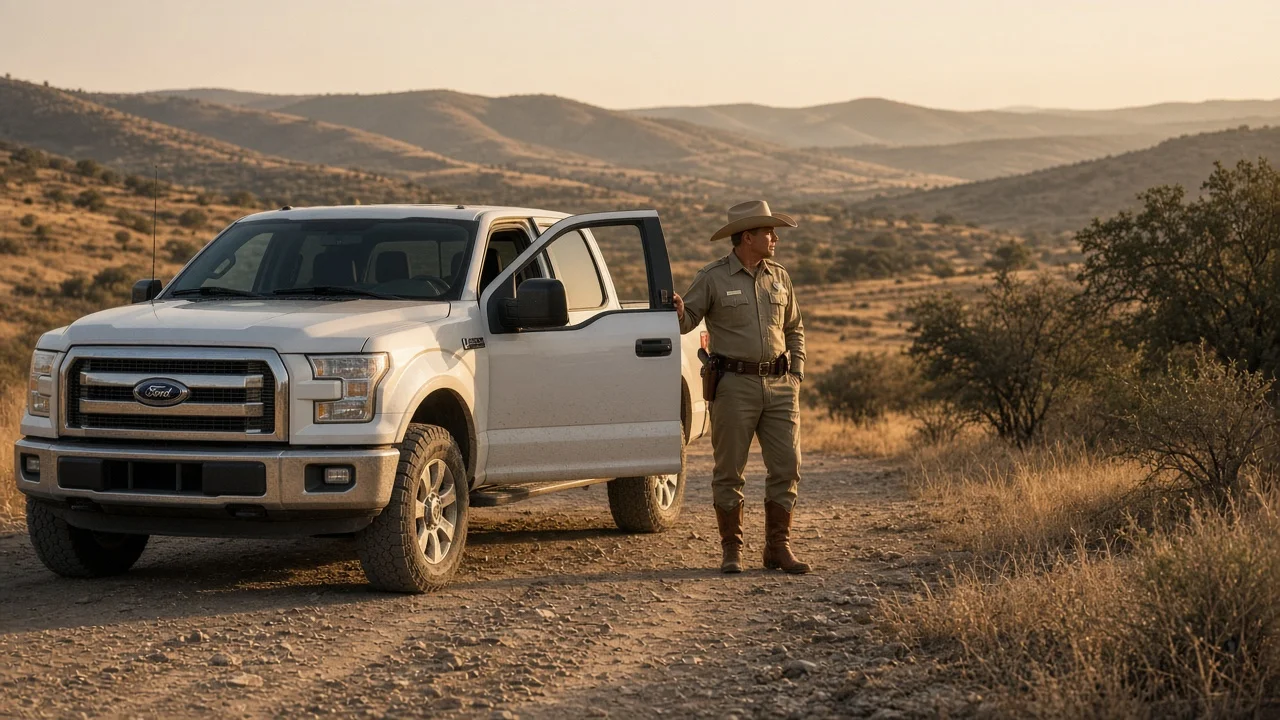
If you searched for Texas Ranger auto insurance, the short answer is this: before you buy, confirm exactly which company will carry your policy and whether the quote meets Texas legal requirements and your own coverage needs. The name can mean different things. It may be a local agency or brand name, or you may be looking to insure a Ford Ranger pickup in Texas. Either way, the same checks apply: who underwrites the policy, what it covers, what it excludes, and what you will pay out of pocket when you file a claim.
First, Confirm Who You Are Actually Buying From
A name in an ad or on a storefront does not always tell you who stands behind the policy. Many businesses that sell auto insurance are agencies, not insurers. An agency sells and services policies, but a separate insurance company underwrites them and pays the claims. The agency's name can be quite different from the insurer's name.
Ask for the full legal name of the insurance company that will issue the policy, not just the agency or brand name. Confirm that the agent and the insurer are licensed in Texas. The Texas Department of Insurance maintains public license lookups and complaint information. Find out whether the agent represents one insurer (captive) or several (independent). An independent agent can usually compare more options. Make sure the insurer's name on the written quote matches the name on the final policy documents and ID card.
If you cannot get a clear answer about which company underwrites the policy, treat that as a reason to pause before paying.
Texas Minimum Coverage Requirements
Texas requires drivers to show financial responsibility, which most people meet by carrying liability coverage. Liability coverage pays for injuries and property damage you cause to others. It does not pay to repair your own vehicle. The state minimum is commonly written as 30/60/25:
$30,000 for bodily injury per person; $60,000 for bodily injury per accident; $25,000 for property damage per accident
Texas insurers must also offer personal injury protection (PIP) and uninsured/underinsured motorist coverage. You can decline these, but the rejection must be in writing. If a quote seems cheap, check whether these coverages were left off and whether you signed a rejection form. Insurers report coverage to the state's verification system, so keep your policy active to avoid problems at traffic stops or registration.
The legal minimum is a floor, not a recommendation. A serious accident can easily exceed 30/60/25 limits, and you may be personally responsible for the difference. Many drivers choose higher policy limits, especially if they have assets or income to protect.
Core Coverage Types Explained
Coverage | What it generally pays for | Required in Texas? Liability | Injuries and property damage you cause to others | Yes, at least the state minimum; Collision | Damage to your vehicle from a crash, regardless of fault | No, but lenders and lessors usually require it; Comprehensive | Damage to your vehicle from non-collision events such as theft, hail, flood, fire or hitting an animal | No, but lenders and lessors usually require it; Personal injury protection (PIP) | Medical expenses and some lost income for you and your passengers, regardless of fault | Must be offered; can be rejected in writing; Uninsured/underinsured motorist | Your losses when the at-fault driver has no insurance or too little | Must be offered; can be rejected in writing
Comprehensive coverage deserves attention in Texas because hail and flood damage are common causes of vehicle claims in many parts of the state. If your vehicle is financed or leased, check your loan or lease contract for the minimum coverage and maximum deductible the lender allows.
Deductibles and Policy Limits
A deductible is the amount you pay toward a covered collision or comprehensive claim before the insurer pays the rest. A higher deductible usually lowers your premium, but it means more out of pocket when something happens. Choose a deductible you could pay on short notice without hardship.
Policy limits are the maximum the insurer will pay for a covered loss. Liability limits are usually listed per person and per accident for injuries, plus a separate limit for property damage. When comparing quotes, line up the limits side by side. Two quotes with different limits are not truly comparable on price.
Exclusions to Read Before You Sign
Exclusions are situations the policy does not cover. They vary by insurer and policy form, so read the actual policy language or ask the agent to point to it. Common areas to check include:
Who is covered to drive the vehicle, and whether household members or occasional drivers must be listed; Business or commercial use, including rideshare and delivery work; Custom equipment and aftermarket parts, which may have limited coverage unless added by endorsement; Rental reimbursement and towing, which are often optional add-ons; Coverage when driving in Mexico, which typically requires a separate Mexican auto policy; Intentional damage, racing and wear-and-tear, which are generally excluded
If You Are Insuring a Ford Ranger in Texas
If your search was really about insuring a Ford Ranger, your premium will depend on the specific truck as well as your driving profile. Insurers rate vehicles by details such as model year, trim, engine and drivetrain, so give the insurer your full vehicle identification number (VIN) rather than just the model name. Rates can differ meaningfully between a base work-truck trim and a higher-performance or off-road trim of the same model year.
Disclose any lift kits, aftermarket wheels, bed accessories or other modifications, and ask whether they are covered. Tell the insurer if you use the truck for work, hauling or towing, since business use can require different coverage. If you carry tools or equipment in the bed, ask how they are covered. Personal property in a vehicle is often handled by homeowners or renters insurance rather than the auto policy. If the truck is financed, confirm the lender's collision and comprehensive requirements, and consider whether gap coverage makes sense.
Questions to Ask About Claims
Price matters, but the claim experience is what you are really paying for. Before buying, ask how claims are reported, whether you can choose your own repair shop, how rental vehicles are handled while yours is being fixed, and whether the policy pays for original equipment or aftermarket replacement parts. Public complaint data from the Texas Department of Insurance can give you a general sense of how an insurer handles customers.
How to Compare Quotes Fairly
Request quotes with the same liability limits, deductibles and optional coverages from each company. Confirm whether PIP and uninsured/underinsured motorist coverage are included or rejected in each quote. Check the policy term, usually six or twelve months, and any fees for monthly payments. Ask which discounts were applied and what you must do to keep them. Read the exclusions and endorsements, not just the summary page.
Your Next Step
Start by identifying the insurance company behind any Texas Ranger auto insurance quote and confirming its Texas license. Then decide on the liability limits you are comfortable with, choose deductibles you can afford, and compare at least a few quotes on identical terms. Once the underwriter, coverage and exclusions are clear, you can buy with confidence that the policy meets both Texas law and your actual needs.