Auto Insurance in Killeen, Texas: What to Check Before You Buy
The Short Answer
To drive legally in Killeen, you need at least the liability coverage Texas law requires. The state minimum is commonly stated as 30/60/25: $30,000 for injury to one person, $60,000 for all injuries in one accident, and $25,000 for property damage. That minimum only pays for harm you cause to others. It does not repair or replace your own car.
Whether you need more depends on three things. The first is whether your vehicle is financed or leased, since lenders usually require collision and comprehensive coverage. The second is how much your car is worth. The third is how much you could lose if a serious accident exceeds your limits. For most Killeen drivers, the decision comes down to liability limits, physical damage coverage, and deductibles. Confirm current state minimums with your insurer or the Texas Department of Insurance before you buy, because legal requirements can change.
What Texas Requires
Texas is an at-fault state. The driver who causes a crash, and that driver's insurer, is responsible for the resulting injuries and damage. This is why liability coverage is mandatory and why your liability limits matter so much.
Liability coverage: Required. Pays for bodily injury and property damage you cause to others, up to your policy limits. Personal injury protection (PIP): Insurers must offer it. It is included unless you reject it in writing. PIP helps pay medical costs and some lost income for you and your passengers, regardless of fault. Uninsured/underinsured motorist (UM/UIM) coverage: Insurers must offer it. It is included unless you reject it in writing. It protects you when the at-fault driver has no insurance or not enough. Proof of insurance: Keep it in the vehicle or on your phone. Texas checks coverage electronically through its verification system, so lapses can surface at registration or during a traffic stop.
Read any form that asks you to reject PIP or UM/UIM before signing. Rejecting them lowers the premium, but it removes protection that many drivers would want after a crash with an uninsured driver.
Core Coverage Types Explained
Coverage | What it pays for | When it usually makes sense; Liability coverage | Injuries and property damage you cause to others | Always; required by law; Collision coverage | Damage to your car from hitting another vehicle or object, regardless of fault | Financed or leased cars; cars you could not afford to replace out of pocket; Comprehensive coverage | Non-collision damage such as hail, flooding, fire, theft, vandalism, falling objects, animal strikes | Financed or leased cars; areas with frequent severe weather; cars parked outdoors; PIP | Medical bills and some lost wages for you and passengers | Most drivers, especially without strong health or disability coverage; UM/UIM | Your injuries and, depending on the policy, vehicle damage caused by uninsured or underinsured drivers | Most drivers; Rental reimbursement / roadside assistance | Temporary transportation and towing | Drivers who depend on one vehicle
Local Factors Worth Considering in Killeen
Central Texas gets frequent spring storms, and hail damage to vehicles is a common claim in the region. If your car sits in a driveway or open lot rather than a garage, comprehensive coverage deserves serious thought even on an older vehicle you own outright. Weigh the car's value against the yearly cost of the coverage plus the deductible.
Killeen's daily traffic includes commuters, Interstate 14 and US-190 corridor traffic, and the steady flow around Fort Hood (briefly renamed Fort Cavazos before its name was restored). Higher traffic density generally means more exposure to collisions. That makes adequate liability limits and UM/UIM coverage more important than the bare minimum suggests.
Considerations for Military Members and Families
A large share of Killeen residents are active-duty service members, veterans, or military families. Their situations raise questions that standard quotes may not address.
Out-of-state registration: If your car is registered or garaged in another state, ask how your insurer handles the garaging address. A mismatch between where the car is kept and what the policy lists can complicate a claim. Deployment and storage: Some insurers let you cut coverage to comprehensive-only while a vehicle is stored and not driven. Ask before deploying rather than canceling, since a lapse in coverage can affect future rates. Check whether registration requirements still apply. PCS moves: When you relocate, your policy usually needs updating to reflect the new state's minimum requirements and garaging location. Military discounts: Many insurers offer them, but terms vary. Compare the full premium rather than the discount alone.
Choosing Policy Limits
Policy limits are the maximum your insurer will pay for a covered loss. If damages exceed your limits, you may be personally responsible for the difference. State minimums can be used up quickly in an accident involving serious injuries or a newer vehicle.
A practical approach is to set liability limits high enough to protect what you own and what you earn. Higher limits usually raise the premium by less than drivers expect, because the added coverage applies to rarer, larger claims. If you have significant assets, ask about an umbrella policy, which adds liability coverage above your auto and home policies.
Choosing a Deductible
A deductible is the amount you pay before collision or comprehensive coverage pays the rest. A higher deductible lowers your premium but raises your out-of-pocket cost when you file a claim. Choose a deductible you could pay on short notice without hardship. Some policies let you set different deductibles for collision and comprehensive, which can help if hail is your main concern.
Exclusions to Read Before Signing
Exclusions are situations a policy will not cover. They vary by insurer, so review the policy itself rather than relying on a summary. Common areas to check:
Rideshare or delivery driving: Personal policies often exclude commercial use unless you add a specific endorsement. Unlisted drivers: Some policies limit or exclude coverage for household members who are not named on the policy. Aftermarket parts and modifications: Custom equipment may need separate coverage to be fully protected. Intentional damage and wear-and-tear: Generally not covered. Vehicles used outside the US: Coverage may be limited or require separate insurance, which matters for service members driving abroad.
How to Compare Quotes
Premiums for the same driver can differ widely between insurers, so gather several quotes. To make the comparison meaningful, request identical coverage from each company.
Use the same liability limits, deductibles, and optional coverages on every quote. Confirm whether PIP and UM/UIM are included or rejected. Ask which discounts are already applied, such as multi-policy, safe driver, good student, military, or paid-in-full. Check how claims are handled: local adjusters, app-based claims, or direct-repair shop networks. Look into the insurer's complaint record and financial strength through state or independent rating resources. Ask about agents who can meet in person versus online-only service, depending on what you prefer.
If You Need to File a Claim
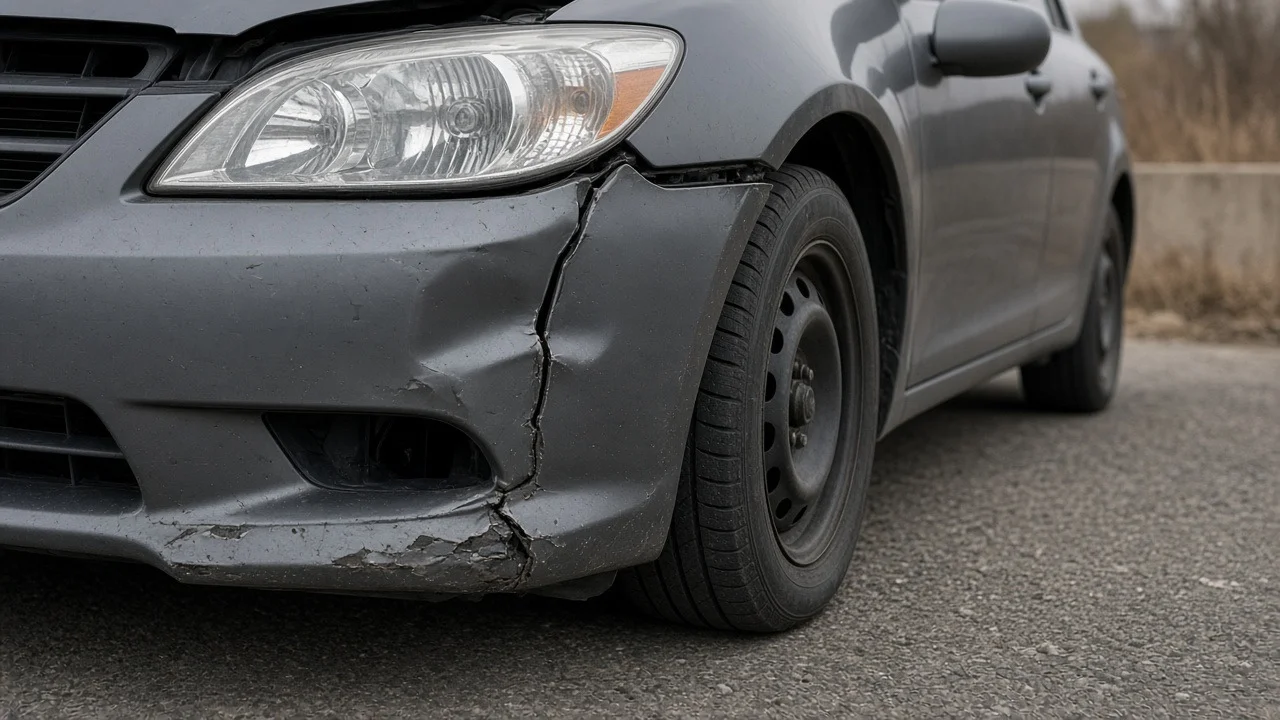
After a crash, make sure everyone is safe and call police if anyone is injured or the vehicles cannot be moved. Exchange insurance and contact details with the other driver, and photograph the scene and the damage. Report the claim to your insurer promptly, since policies typically require timely notice. For hail or storm damage, document the damage before any repairs and keep receipts for emergency fixes. If the other driver was at fault, you can file with their insurer, or you can use your own collision coverage and let your insurer seek reimbursement.
Next Step
Before requesting quotes, decide on three things: liability limits that protect your assets, whether your car's value justifies collision and comprehensive coverage, and a deductible you can afford. Then request matching quotes from several insurers and read the PIP, UM/UIM, and exclusion sections before you buy.