Classic Car Insurance in Texas: What to Check Before You Buy
Classic car insurance in Texas is a specialty policy for collector, antique and well-kept older vehicles. It usually costs less than a standard auto policy and pays a value agreed in advance if the car is totaled. In exchange, you accept limits on how you use and store the car. If the vehicle is your daily driver, or you can't meet the insurer's storage and driver rules, a standard auto policy is usually the right choice instead. The rest of this guide explains who qualifies, how the payout is set, which coverages matter, what Texas requires by law, and what to compare when you shop for quotes.
Short Answer: Is a Classic Policy Right for Your Car?
A classic policy tends to suit you when most of these statements are true:
The car is collectible, antique, modified with care, or otherwise worth more than its age alone suggests. You drive it for pleasure, shows, club events or occasional trips, not for commuting or errands. You keep it in a secure, enclosed space such as a locked garage. You own another vehicle for everyday driving. You and anyone else who drives it have reasonably clean driving records.
If several of these don't apply, the lower premium can come with restrictions that leave you exposed. A claim may be disputed or denied if the car was used in a way the policy excludes.
What Makes a Vehicle Eligible
Insurers set their own definitions of a classic, antique or collector vehicle. There is no single industry rule. Common factors include:
Age: many insurers use a minimum age threshold, which varies by company and sometimes by vehicle type. Condition: the car is usually expected to be roadworthy or under active restoration, not a neglected project. Collectibility: some newer limited-production, exotic or high-interest models qualify even if they are not old. Modifications: restomods and custom builds are often accepted, but you may need to document the build and its value. Trucks and motorcycles: many specialty insurers cover vintage pickups, military vehicles and motorcycles under similar terms.
Insurer eligibility is separate from Texas registration categories. A car can qualify for a classic insurance policy whether or not it carries special antique or classic plates, and the reverse is also true.
How the Payout Is Set: Agreed Value, Stated Value and Actual Cash Value
The valuation method matters more than almost anything else in a classic car policy. It decides what you receive if the car is stolen or declared a total loss.
Valuation method | How it works | What to watch for; Agreed value | You and the insurer settle on a value when the policy starts. That amount is paid for a covered total loss, minus any applicable deductible. | Usually requires photos and sometimes an appraisal. Review the value each year as the market changes. Stated value | You state a value, but the insurer may pay the lesser of that figure or the actual cash value at the time of loss. | Can look like agreed value on paper while paying much less. Read the settlement wording carefully. Actual cash value | Pays market value at the time of loss, after depreciation. | Typical of standard auto policies. It often undervalues collector cars because standard valuation tools may not reflect their condition or rarity.
For most collector vehicles, true agreed value coverage is the main reason to buy a classic policy. Some insurers also offer an option that automatically raises the payout by a set percentage if the car has appreciated. Ask whether this is available and how it is calculated.
Core Coverages and What They Do
Classic policies use the same building blocks as regular auto insurance. The specifics are tailored to cars that are driven less and valued more.
Liability coverage: pays for injuries and property damage you cause to others. It is required to legally drive the car on Texas roads. Collision coverage: pays for damage to your car from a crash, whoever is at fault, subject to your deductible. Comprehensive coverage: pays for non-collision losses such as theft, fire, vandalism, hail, flooding and falling objects. It matters for a stored car even when you rarely drive it. Uninsured and underinsured motorist coverage: protects you when the at-fault driver has no insurance or too little. Personal injury protection: helps pay medical bills and certain other costs for you and your passengers, regardless of fault. Medical payments: a narrower medical coverage some insurers offer alongside or instead of other options.
Specialty Add-Ons Worth Asking About
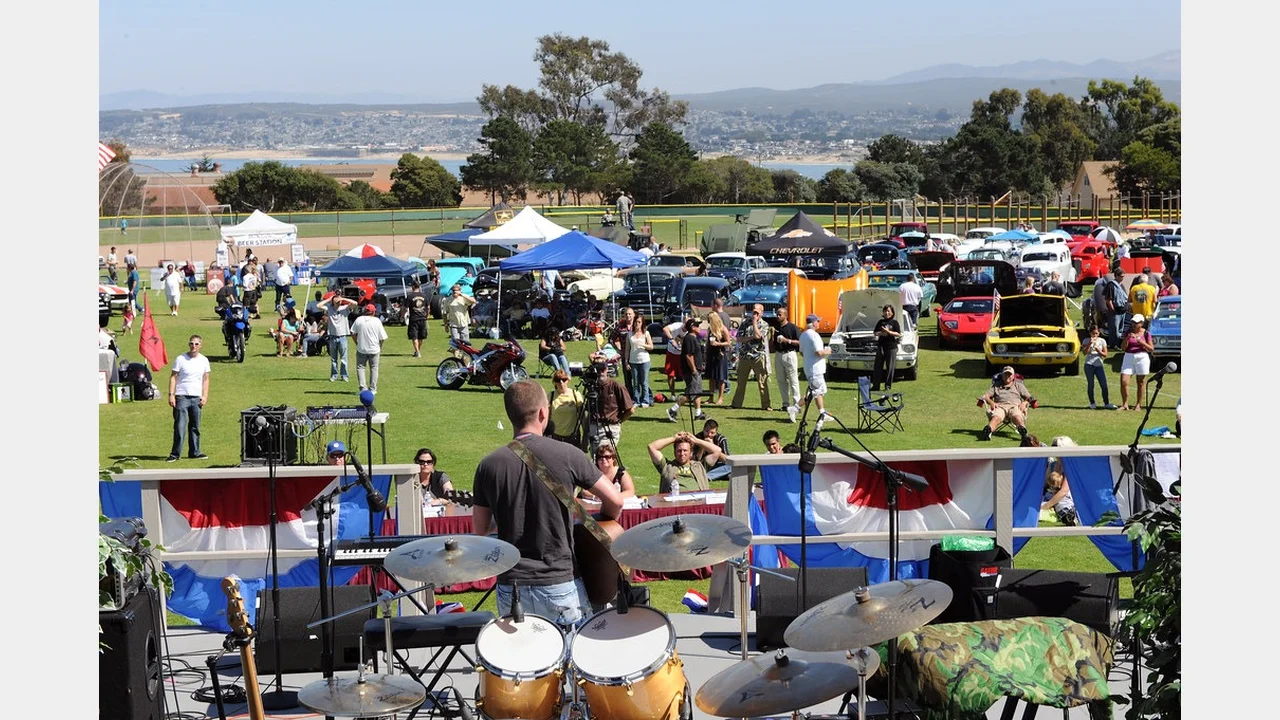
Spare parts coverage: protects stored parts, which can be hard to replace for older models. Flatbed towing and roadside assistance: helps prevent extra damage from improper towing. Check the distance limits. Choice of repair shop: lets you use a specialist restorer rather than an insurer-preferred shop. Original or like-kind parts: clarifies whether repairs use period-correct parts or modern substitutes. Restoration or under-construction coverage: covers a car that is being rebuilt, often with a value that increases as work is completed. Coverage at shows and events: confirms the car is protected while displayed, judged or transported to an event. Trailer coverage: insures the trailer you use to haul the car, which may not be covered automatically.
Texas-Specific Points to Know
A classic policy must still meet Texas legal requirements whenever the car is driven on public roads. Texas requires minimum liability coverage. That requirement is commonly expressed as 30/60/25: $30,000 for injury per person, $60,000 for injury per accident, and $25,000 for property damage. Confirm the current minimums when you buy, because state requirements can change. For a valuable car, many owners choose policy limits well above the minimum, since a serious accident can easily exceed them.
Texas insurers must offer personal injury protection and uninsured/underinsured motorist coverage. You can decline them, but only by rejecting them in writing. If your daily-driver policy already includes these coverages, ask how they interact with the classic policy rather than assuming they carry over.
Texas also offers special registration options for older vehicles, including antique and classic plates. Their eligibility rules and use limits differ, and antique plates in particular can restrict how the car may be driven. Check the current rules with the Texas Department of Motor Vehicles. Make sure the way you plan to use the car fits both your registration and your insurance policy.
Weather is a practical concern across much of the state. Hail, flash flooding and hurricane-related storms can all damage a car parked outside or in a vulnerable building. Comprehensive coverage handles these losses. Storage requirements and your choice of garage location both affect how exposed you are.
Usage, Mileage and Storage Rules
These conditions are where classic policies differ most from standard ones, and where claim disputes often start. Read them closely before you sign.
Mileage limits: some policies cap annual miles at fixed tiers, while others use flexible or unlimited pleasure-use terms. Choose a tier that reflects your real driving. Permitted use: commuting, business use, errands and ride-share are commonly excluded. Some policies allow occasional pleasure drives without a set purpose. Storage: many insurers require a locked, enclosed garage. Carports, driveways or shared storage may not qualify. Other vehicles: insurers often require every licensed driver in the household to have a regular-use vehicle insured. Driver rules: there may be minimum ages, experience requirements or limits on who besides you may drive the car.
Deductibles and Policy Limits
A deductible is the amount you pay toward a covered claim before the insurer pays the rest. A higher deductible usually lowers the premium. That makes sense only if you could comfortably cover the amount out of pocket. Some classic policies offer low or zero deductibles on certain coverages, so compare this directly between quotes.
Policy limits are the maximum the insurer will pay for a given coverage. For physical damage, the agreed value acts as your limit, so set it realistically. If it's too low, you're underinsured. If it's too high, you may pay extra premium for a figure the insurer could challenge at claim time if it isn't supported by documentation.
Common Exclusions to Read Carefully
Exclusions are situations the policy won't cover. Wording varies by insurer, but look for these:
Racing, timed events, track days or autocross, unless a specific endorsement is added. Daily driving, commuting or business use outside the permitted-use terms. Drivers who aren't listed or don't meet the policy's eligibility rules. Wear and tear, rust, mechanical breakdown and gradual deterioration. Damage that happens while the car is stored somewhere other than the approved location. Losses during restoration work, unless restoration coverage is in place. Modifications that weren't disclosed or valued when the policy started.
What to Prepare Before Requesting Quotes
Year, make, model, trim and VIN for each vehicle. Current photos of the exterior, interior, engine bay and any notable details. An appraisal or other support for the value you want to insure, if the car is valuable, modified or rare. Records of restoration work, major parts and modifications. A description of where and how the car is stored. Details of your regular-use vehicles and household drivers. A realistic estimate of how many miles you drive the car each year and what you use it for.
How to Compare Classic Car Insurance Quotes
Comparing quotes on price alone can hide important differences. Line up each offer against these questions:
Is the valuation true agreed value, or stated value with a lesser-of clause? Do the liability limits meet Texas requirements and protect your assets in a serious accident? Are collision and comprehensive both included, and what are the deductibles? Do the mileage and permitted-use terms fit how you actually drive? Can you meet the storage requirement at your address? Are spare parts, flatbed towing and choice of repair shop included or available? How are claims handled, and does the insurer use adjusters familiar with collector vehicles? Is the agreed value easy to update during the policy term if the car's value changes?
When a Standard Auto Policy Makes More Sense
A standard policy is often the better fit if the older car is your only vehicle, if you drive it daily or for work, if you can't provide qualifying storage, or if the car's market value is ordinary for its age. Standard coverage carries fewer use restrictions. The trade-off is that a total loss is usually settled at actual cash value, which may not reflect what you've invested in the car.
Next Steps
Start by deciding how you'll realistically use and store the car, and what it would cost to replace. Then gather photos and documentation, request quotes from both specialty classic insurers and your current auto insurer, and compare valuation method, usage rules, deductibles, limits and exclusions side by side. Choose the policy whose conditions you can follow every time you drive the car, not just the one with the lowest premium.