Tesla Wheel Fitment: Bolt Pattern, Offset, Center Bore
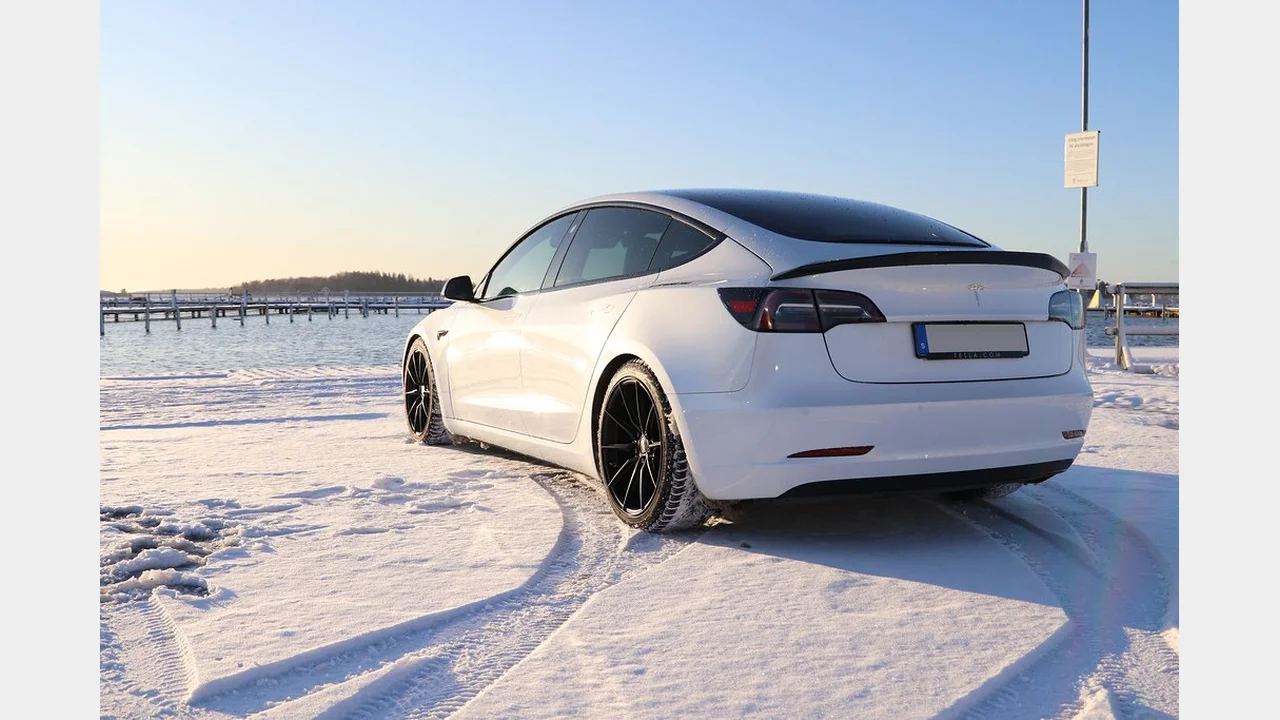
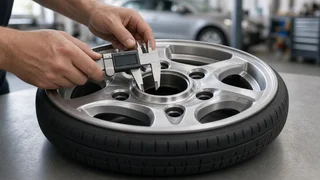
Wheel fitment for a Tesla depends on three related measurements: the bolt circle, the offset from the mounting surface, and the center bore that locates the wheel on the hub. Because Tesla uses hub-centric designs and model-specific geometry, a wheel that looks close may still create clearance or vibration problems. Understanding how these dimensions interact helps owners compare replacement wheels, evaluate aftermarket options, and avoid returning to a setup that rubs the suspension or changes steering feel.
Essential answer
Tesla wheel bolt pattern refers to the number of lug positions and the diameter of the circle they form, but that pattern alone does not make a wheel compatible. Model 3, Model Y, Model S, and other vehicles can share a general family of dimensions while differing in offset, width, and hub details. Before selecting a wheel, the owner should confirm the bolt circle, the distance from the wheel's mounting surface to its centerline, and the center bore diameter as a complete fitment group rather than as isolated figures.
Offset controls where the tire sits inside the wheel opening. A lower offset pushes the rim outward, while a higher offset moves it inward toward the suspension. Center bore keeps the wheel centered on the hub before the fasteners are tightened; a loose or incorrect bore can create radial runout or vibration even when the bolt pattern lines up. Hub pilot fit matters because the lug hardware primarily clamps the wheel to the mounting surface, while the hub carries the concentric load and reduces lateral runout.