Tesla Tire Pressure in Cold Weather (Model 3 and Model Y)
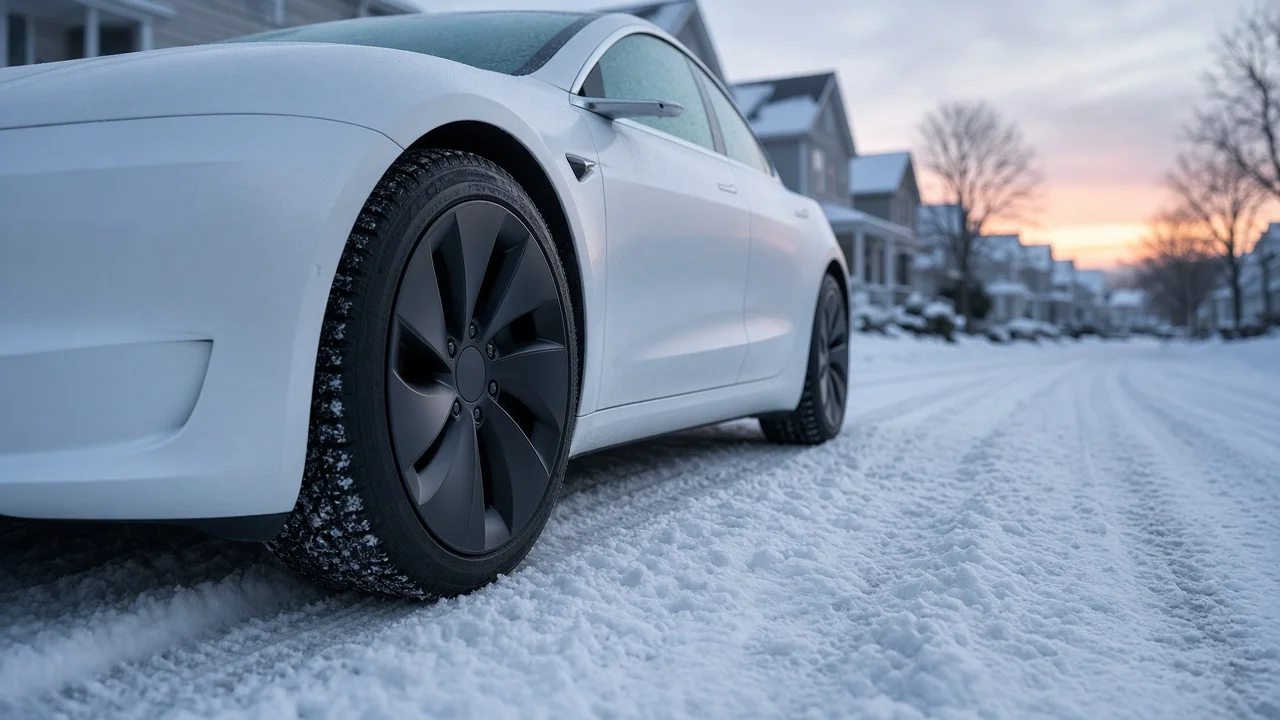
A drop in ambient temperature changes the air inside a tire more than many drivers expect. For Tesla Model 3 and Model Y owners, cold weather often triggers a tire pressure alert before the car has even moved. The vehicle uses its tire pressure monitoring system to compare each wheel’s inflation pressure against an expected range. Understanding why that warning appears and how temperature affects the tire’s load-carrying ability can help you respond correctly. This overview explains the underlying relationship between cold air, inflation pressure, tread contact and the information shown on the vehicle placard.
Essential answer
Cold weather lowers tire pressure because air contracts as its temperature falls. For a typical passenger tire, a significant ambient drop can reduce inflation pressure enough to move a tire below the vehicle’s recommended threshold. On Model 3 and Model Y vehicles, the tire pressure monitoring system may then show an alert even when no puncture or leak exists. The correct response is usually to inspect all four tires when they are cold and add air to match the pressure shown on the vehicle placard, rather than assuming a component has failed.
The vehicle placard value is the cold inflation pressure established for that tire size and load index. It reflects the pressure needed to support the vehicle while keeping the tread contact stable. A cold-weather reading can be misleading if taken after a short drive because heat from flexing raises pressure slightly. For an accurate comparison, measure the tires after the car has been parked long enough to reach the surrounding temperature. Then adjust only as much as needed to bring each tire back to the placard pressure.