Temporary Removable Camper Van Conversion
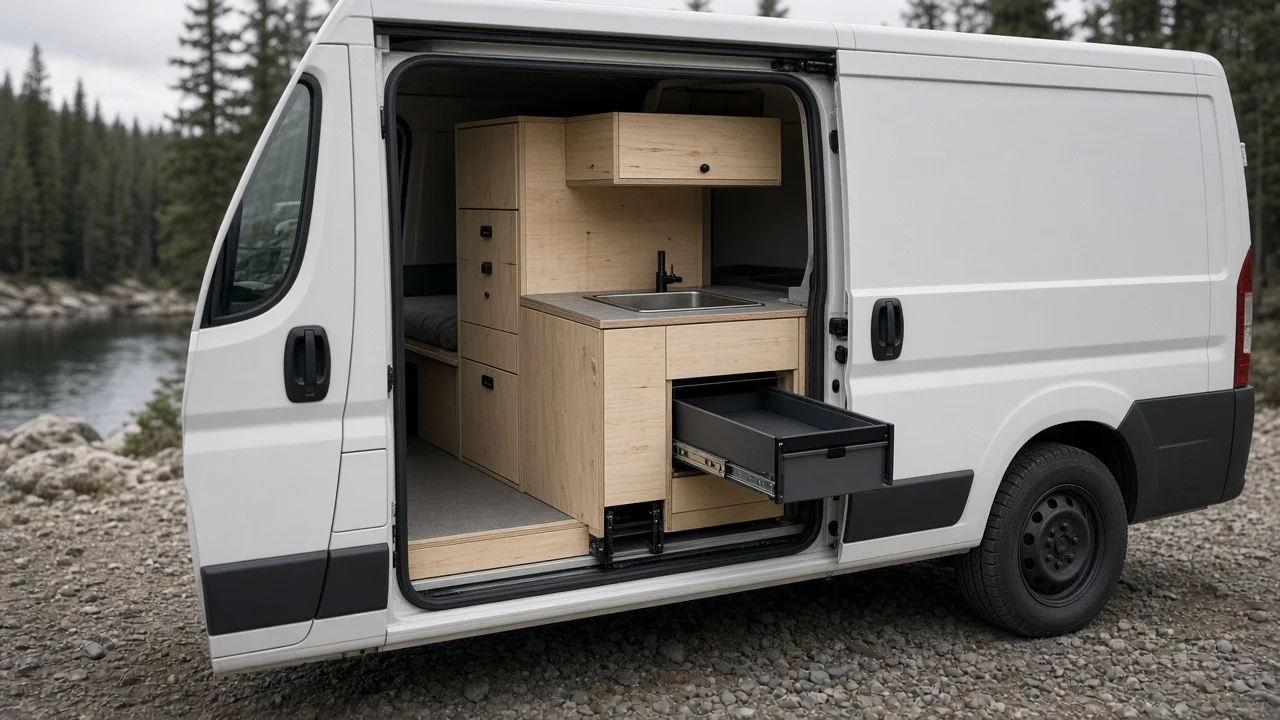
A temporary removable camper van conversion turns an everyday van into a livable travel space without making permanent structural changes. The appeal is a body configuration that still works for daily driving, seating layout, cargo access, wheelbase choice, powertrain options, and market specification. Instead of committing to a full camper build, owners install modular furniture, bedding, storage, and power systems that can be removed later. This approach suits people who need one vehicle for commuting, weekend trips, or occasional hauling. The goal is to understand what a temporary camper van conversion really involves and how it differs from a permanent build.
Essential answer
A temporary removable camper van conversion is a way to add sleeping, eating, and storage functions inside a standard van while keeping the ability to return it to passenger or cargo use. The equipment usually bolts to existing seat tracks, cargo tie-downs, or floor rails rather than being cut, welded, or bonded. This matters because a van’s body configuration and seating layout affect what can be installed safely. A crew van with rear seats offers different mounting points than a bare cargo van, so the same modular kit may fit one version but not another without additional brackets or floor plates.
Cargo access also changes the practical design. Side and rear door openings determine how a removable bed platform or cabinet can be lifted in and secured. A longer wheelbase generally gives more interior length for a bed behind the front seats, but it also changes parking and turning behavior. Likewise, powertrain options can influence weight capacity and electrical choices, while market specification may affect interior trim, auxiliary outlets, or window glass. A temporary conversion should therefore be planned around the specific van model, its existing attachment points, and the owner’s need to remove the setup without leaving damage.