Synchronizer Ring Price: Budgeting for a Replacement Part
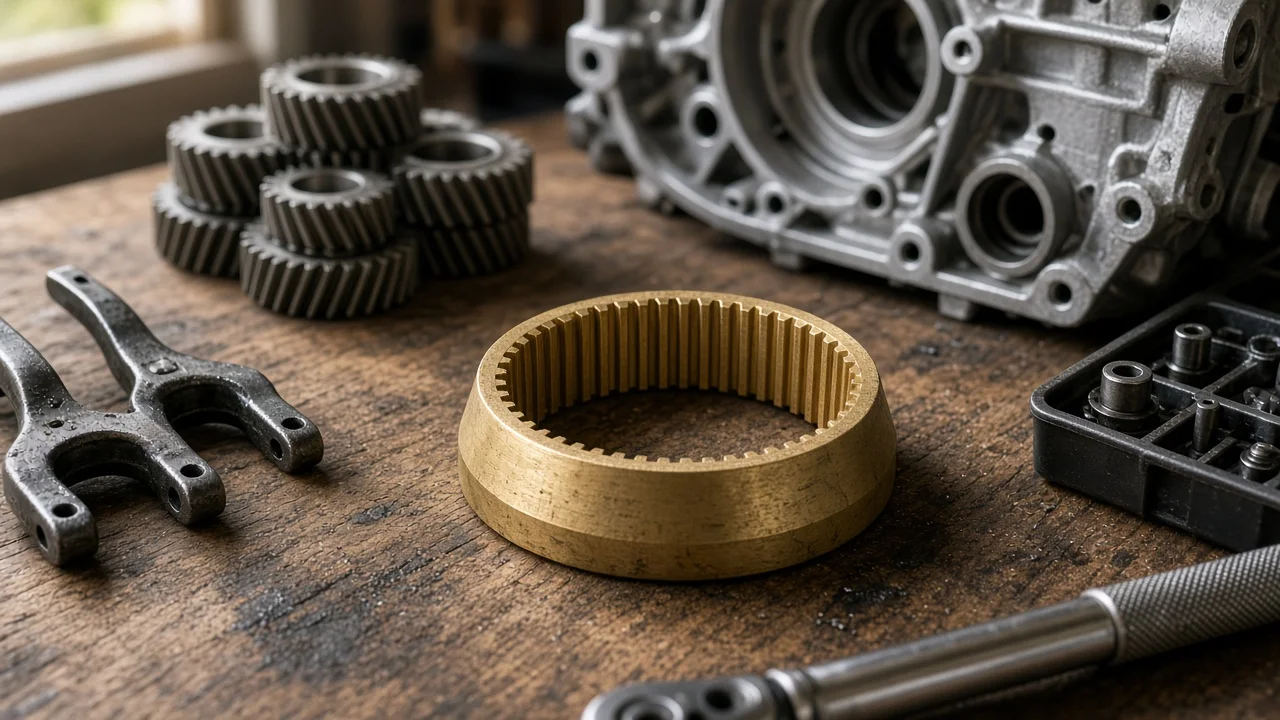
A synchronizer ring is one of the least expensive parts inside a manual transmission, yet replacing one rarely costs little. The ring is only a small piece of the budget. Most of the cost comes from removing, disassembling and reassembling the gearbox. This guide explains how to scope a synchronizer ring price realistically, what pushes estimates up or down, and how to compare quotes so you pay only for the work your transmission actually needs.
What the estimate includes
A synchronizer ring, sometimes called a blocker or baulk ring, matches the speed of a gear to its shaft so the shift sleeve can engage without clashing. Rings are sold individually, as part of a synchro assembly with hub and sleeve, or inside a master rebuild kit. A ring price listed by a parts seller covers only the part. It does not include the labor to pull the transmission, the sealant and gaskets, any bearings or seals disturbed during teardown, or the gear oil that must be replaced afterward.
Treat a shop estimate for the repair as a total job price and a parts counter quote as a partial number, and keep the two separate in your budget. Also check whether the estimate covers one gear position or several. If the second-gear ring is worn, a technician may recommend replacing neighboring rings while the gearbox is apart, because the expensive labor has already been paid. That advice can be sound, but it should be itemized so you can see which work is required and which is preventive.
What changes the cost
The first variable is the transmission itself. Ring designs differ by manufacturer, model year and gear position. Examples include plain brass single-cone rings, sintered or carbon-lined friction rings, and double- or triple-cone sets used on lower gears where loads are higher. Multi-cone and coated rings generally cost more than plain brass. Fitment depends on the exact transmission code, usually found on a tag or stamped on the case, and on the vehicle identification number. Two vehicles of the same model can use different gearboxes depending on engine, drivetrain and trim, so a price looked up by make and model alone may be for the wrong part. Automated manual and dual-clutch transmissions also use synchronizers, but their parts, procedures and controls differ from a conventional manual.
Labor usually outweighs the part. Front-wheel-drive transaxles, all-wheel-drive layouts with transfer cases, and vehicles with crowded engine bays can take considerably longer to remove and reinstall than a typical rear-wheel-drive gearbox. Labor rates vary by region and shop type, and a transmission specialist may quote differently from a general repair shop. Damage found during teardown, such as worn hub teeth, rounded engagement dogs, bent shift forks or tired bearings, can expand the scope after the first estimate is written.
The diagnosis itself also shapes the budget. Grinding when shifting into a particular gear, notchy or resistant shift behavior, or a gear that will not engage cleanly can point to a worn ring. The same symptoms can also come from clutch drag, low or incorrect fluid, hydraulic release problems or linkage adjustment. Conventional manual transmissions rarely store diagnostic codes for synchro wear, so the diagnosis relies on road testing, fluid inspection and ruling out simpler causes. The fluid specification matters as well, because some synchronizer materials depend on particular friction properties. Confirm that the gearbox must come apart before you budget for ring replacement.
Compare like-for-like options
Common repair options include replacing only the failed ring and any damaged mating parts, rebuilding the transmission with a kit that renews all rings, bearings and seals, installing a remanufactured unit, or fitting a used gearbox. Each sits at a different point between upfront cost and risk. A targeted repair costs least when damage is limited, but it leaves other worn components in service. A full rebuild or remanufactured unit costs more and often carries a longer warranty.
To compare fairly, line up quotes on the same scope. Check whether each one includes removal and installation, new fluid of the correct specification, seals and a road test. Compare warranty length, whether it covers parts only or parts and labor, and whether other shops will honor it if you move. A used transmission may look inexpensive, but unknown mileage and service history make it a gamble unless the seller offers a meaningful return policy or warranty. Remanufactured units often carry a core charge that is refunded only when your old case is returned in rebuildable condition.
Because the transmission must come out anyway, ask whether the clutch, release bearing or rear main seal are due. Doing them now can save a second removal later, but each is a separate decision and should appear as an optional line.
Read an itemized quote
A useful quote names the transmission it was written for and separates parts from labor. On the parts side, look for the specific components and quantities, whether they are original equipment, OE-supplier or aftermarket, and individual prices. On the labor side, look for the quoted hours and hourly rate, or a clearly defined flat price. Fluid should appear with its quantity and the specification it meets.
Then look for what is missing or conditional. Common extras include diagnostic or inspection fees, shop supplies, disposal fees, core charges, taxes and a teardown clause that allows the price to change once the gearbox is opened. Ask how the shop will handle additional damage. A reputable shop will contact you with an explanation, ideally showing the worn parts, and a revised estimate before continuing. If a quote shows only one lump sum, ask for an itemized version before you approve the work.
Decide the next step
Before committing, gather the details a shop needs for an accurate estimate. These include the vehicle identification number, the transmission code, mileage, the gears affected, and when the problem occurs, such as cold or hot, on upshifts or on downshifts. Include any service history covering fluid changes or clutch work. Have the gearbox fluid checked for correct type and level, a simple step that sometimes resolves or narrows the complaint. Then request written, itemized quotes from at least two shops that work on manual transmissions, built on the same scope.
Avoid shortcuts that rarely pay off. Additives sold to quiet a grinding gearbox cannot rebuild worn friction surfaces or damaged teeth. Ordering a ring by make and model without confirming the transmission code risks the wrong part and a second labor bill. Choosing the lowest headline number without checking warranty and exclusions can cost more over time. A confirmed diagnosis, correct parts and a clearly defined scope make a synchronizer ring repair budget reliable.