Switchable seat belt retractor
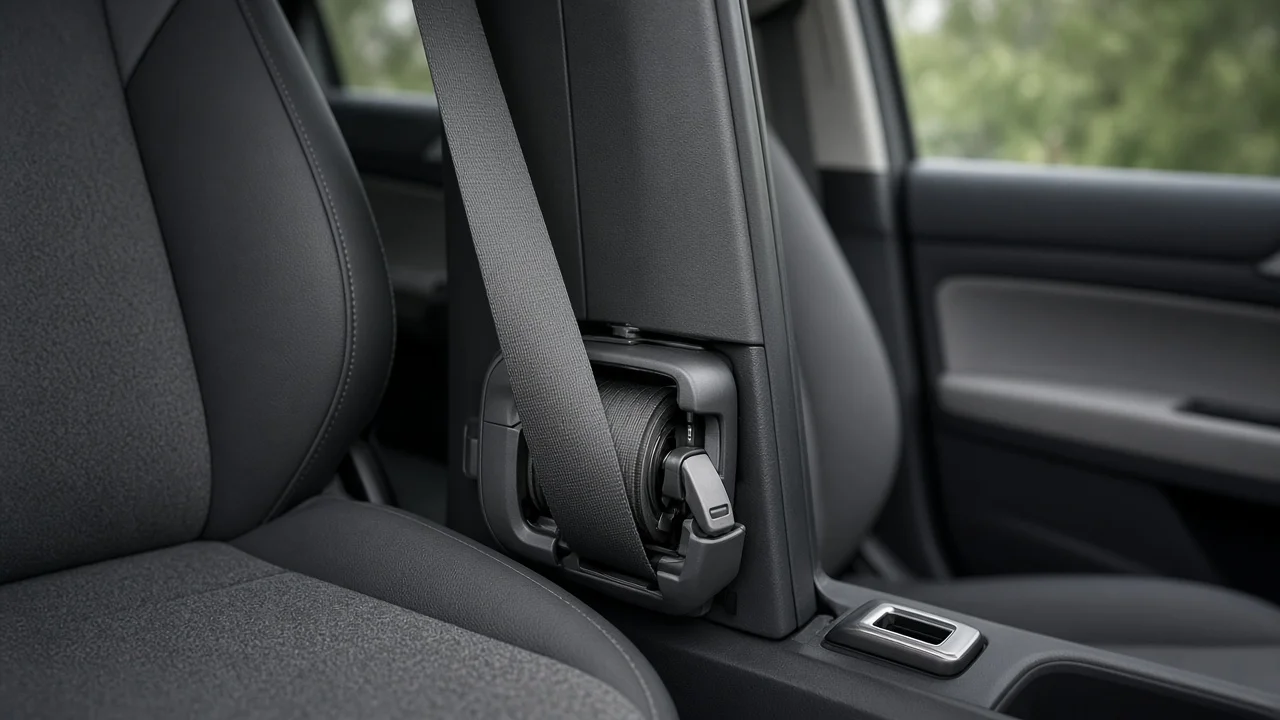
A switchable seat belt retractor changes how the belt locks, giving a vehicle two useful behaviors from one mechanism. In normal driving the retractor lets the webbing spool in and out freely, so occupants can move without feeling pinned. When the belt is pulled steadily toward its full extension and then allowed to retract, the switchable retractor enters an automatic locking mode. This mode holds the webbing snug, which is especially helpful when installing a child restraint without a separate locking clip. Understanding the difference between emergency locking and automatic locking helps owners choose the correct installation path for infant seats, convertible seats, and boosters.
Essential answer
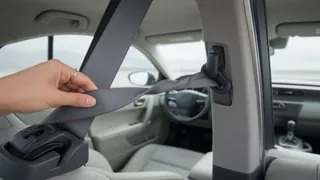
A switchable seat belt retractor is a restraint component that can operate as an emergency locking retractor during ordinary driving and as an automatic locking retractor when a child seat needs to be secured. The mechanism typically switches modes when the occupant pulls the shoulder belt all the way out until it reaches the end of the spool. As the belt retracts, an internal pawl or lever engages so the webbing can only tighten, not extend. The restraint control module and impact sensor still command emergency locking in a crash, but the automatic mode remains engaged during installation.
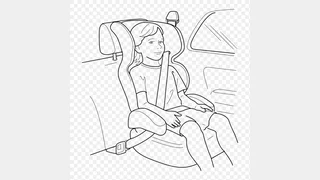
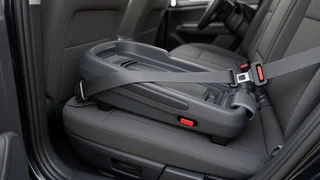
In this locked mode, the retractor keeps a child restraint compressed against the seat cushion and seat back. The belt can still retract slightly, but it cannot be pulled outward, which prevents the child seat from loosening during normal braking or evasive steering. The switchable design eliminates the need for a separate locking clip on many installations. Owners should confirm the behavior by pulling the belt slowly to full extension and listening for a ratcheting sound as it retracts. If a warning indicator illuminates, the restraint system should be diagnosed separately, because a switchable retractor fault does not always prove the retractor itself has failed.