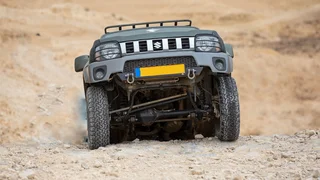
Suzuki Jimny kei car
The Suzuki Jimny kei car shows how Japan’s light-vehicle rules reshape a familiar off-roader into a narrower, smaller-displacement model. A shopper researching the kei car Suzuki Jimny is usually comparing this domestic market vehicle class with export versions that have wider bodywork and different powertrain layouts. Understanding the kei specification helps clarify why the Jimny appears in multiple body configurations, model generations and market segments under one name. The essential answer is about classification and physical scope: this is a Japanese light automobile version of the Jimny, built around dimension and engine limits that do not apply to the larger export model.
Essential answer
The direct answer is that a kei car Suzuki Jimny is the version engineered for Japan’s keijidosha light-vehicle class, not simply a smaller trim level. Its vehicle class changes the practical meaning of the Jimny badge because the body configuration stays recognizable, yet width, track, engine capacity and seating layout follow a regulatory envelope rather than global preferences. This creates a model that is physically smaller than the export Jimny, with a powertrain layout selected to satisfy kei displacement rules while preserving the basic ladder-frame and part-time four-wheel-drive personality.
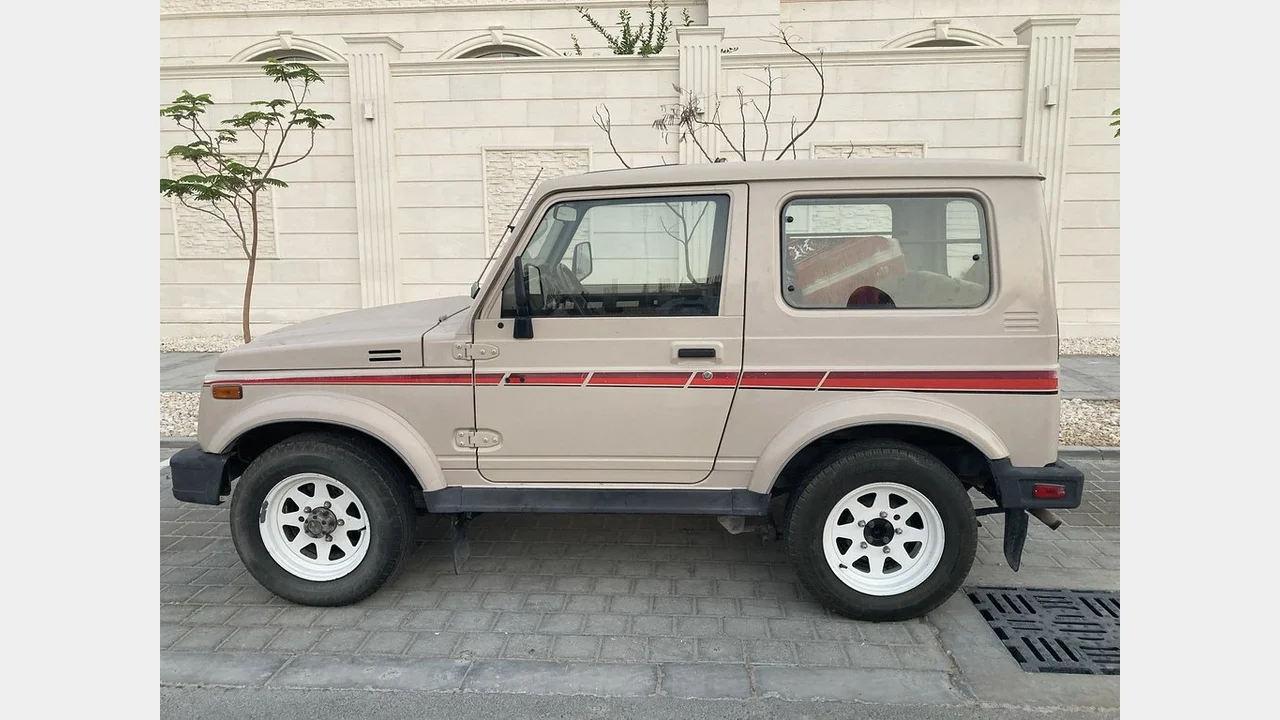
Within the Jimny model generation history, the kei variant occupies a distinct market segment even when it looks like the wider export model in photographs. Narrow fender flares, a shorter axle track and a reduced-displacement engine are not styling choices but direct consequences of the class. A buyer comparing examples should treat kei and non-kei versions as related yet separate vehicles, because suspension, body panels and driveline parts may not interchange. That difference in scope answers the central question and prevents confusing a domestic light vehicle with the more globally familiar Jimny Sierra.