Suzuki Jimny
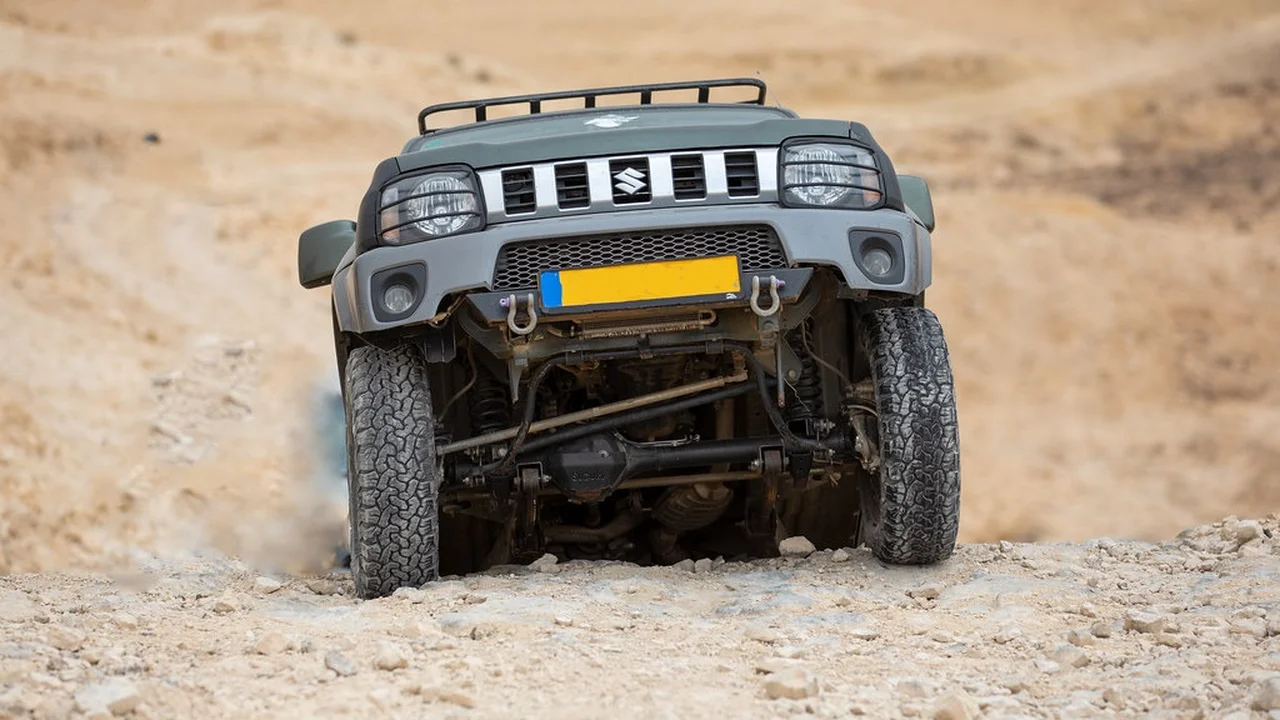
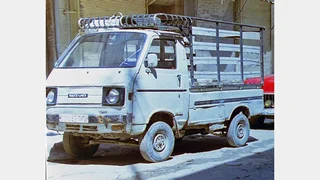
The Suzuki Jimny car occupies a rare place in the modern automotive landscape: a compact, body-on-frame off-roader with a tall profile, short overhangs, and a shape that recalls boxy utility vehicles more than contemporary crossovers. Enthusiasts sometimes describe it as a Suzuki jeep car because of its upright stance, part-time four-wheel-drive layout, and back-to-basics cabin. Market specification, model generation, and model year all shape how a particular example behaves, so an overview should separate the vehicle's consistent character from details that vary by region and trim level.
Essential answer
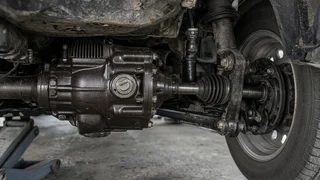
The Suzuki Jimny is best understood as a small, rugged off-road-focused vehicle rather than a comfort-oriented passenger crossover. Its defining technical choices include a separate frame, low-range gearing in typical four-wheel-drive versions, and a narrow footprint that suits tight trails. Body style and powertrain configuration are central to this identity: the two-door wagon form reduces weight and improves maneuverability, while the part-time four-wheel-drive system lets a driver choose between rear-wheel drive on pavement and locked-center four-wheel drive on loose ground.
What materially changes the answer is the market specification. Not every generation or trim level offers the same engine, transmission, or interior equipment, and some regions have received commercial or simplified variants. A soft-top kei-class version, where available, differs from a wider fender-equipped Sierra-style model in both dimensions and road presence. Buyers researching a Suzuki jeep car should therefore treat the Jimny as a platform with a consistent off-road philosophy, but confirm which model generation and trim level they are actually evaluating before assuming any specific feature.