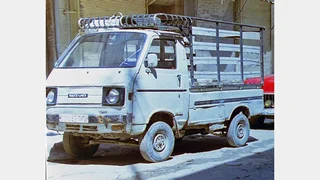
Suzuki Japanese cars

A Suzuki is a Japanese car in its design origin and engineering tradition, but the exact meaning depends on where and when a specific vehicle was built. The brand developed in Hamamatsu as a maker of compact, efficient vehicles before expanding into global production and alliances. In the United States that picture is narrower than in Asia or Europe. When buyers search for Japanese Suzuki cars, they are usually trying to distinguish domestic-market models from badge-engineered products, understand an older used import, or identify how a model year, body configuration, market segment, and powertrain fitted into the brand’s lineup.
Essential answer
The essential answer is that Suzuki automobiles are originally and predominantly Japanese in brand identity, design approach, and much of their engineering. The company’s passenger-car reputation was built on small vehicles that prioritize light weight, maneuverability, fuel efficiency, and practical interior packaging. Models sold through different decades often reflected Japanese domestic market priorities such as narrow urban roads, tax-based size classes, and compact powertrain options. However, a modern Suzuki or a used Suzuki wearing the badge may also come from regional manufacturing operations, making country of origin a separate question from brand nationality.
For a US reader, this distinction matters because the automaker withdrew from the American automobile market years ago. The vehicles that remain available are generally older used models, some imported from Japan and others produced for North America or other regions. That affects parts availability, equipment levels, and how a model year compares with vehicles that were not sold in the US. Regional availability also shapes buyer expectations: a Japanese-market Suzuki can have different trim, body configuration, or engine choices than a similar badge sold elsewhere, so the question requires model-specific context rather than a single all-purpose conclusion.