Suzuki Cappuccino: The Kei Car Roadster Explained
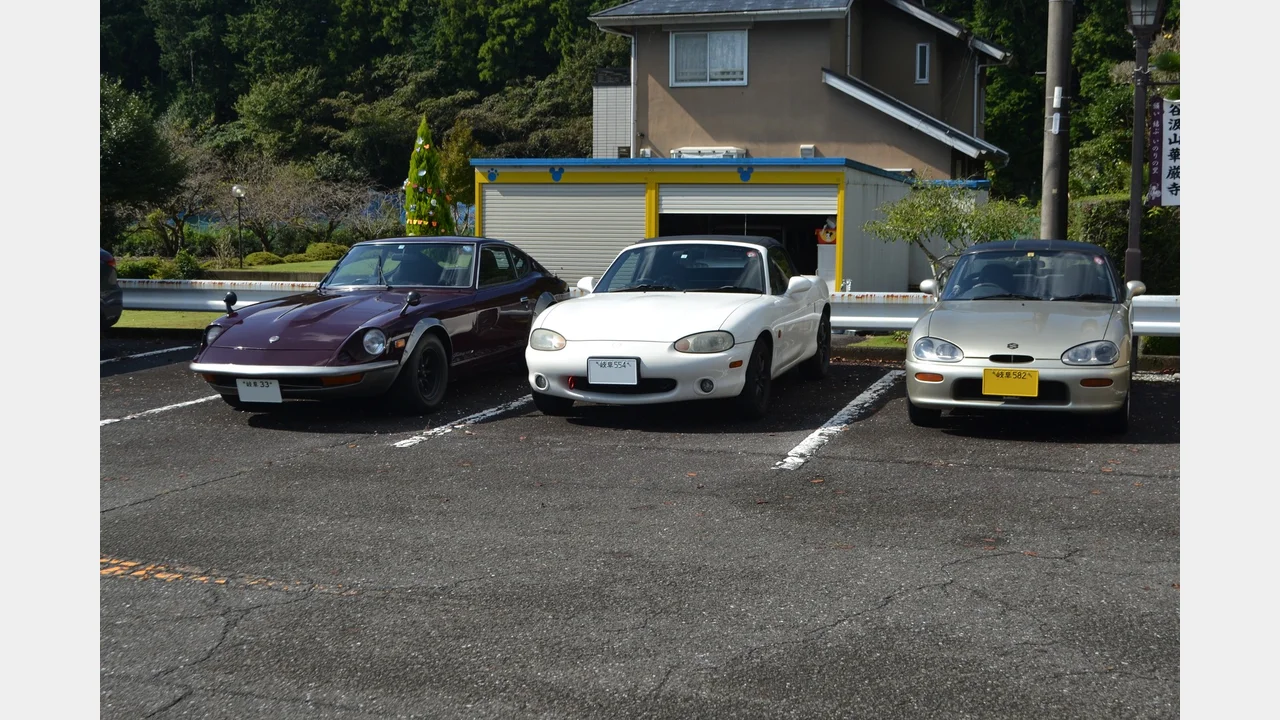
The Short Answer
The Suzuki Cappuccino is a two-seat, rear-wheel-drive roadster built by Suzuki in the 1990s for Japan's kei car class, the category of very small vehicles that receive tax, insurance and parking advantages in Japan. It pairs a small turbocharged three-cylinder engine with a light body and a removable roof, which makes it one of the few true sports cars ever built under kei rules. It was produced from 1991 to 1997, was sold new mainly in Japan with a smaller run of right-hand-drive cars for the UK and some other markets, and was never officially sold in the United States. In the US it is a grey-market import, now eligible for import under the federal 25-year rule.
What Makes It a Kei Car
Kei cars (from kei jidosha, roughly "light automobile") must fit within limits on exterior size and engine displacement. During the Cappuccino's production years, the rules capped displacement at 660 cc and restricted length and width to 3.4 m and 1.48 m. Japanese manufacturers also observed a voluntary agreement limiting kei car output to 64 PS (about 63 hp). Every Cappuccino was engineered around these limits, so the car's character comes from low weight, balance and chassis design rather than raw power.
How It Differs From Typical Kei Cars
Most kei cars are practical hatchbacks, vans or mini trucks with front-wheel drive or part-time four-wheel drive. The Cappuccino took a different approach:
Layout: the engine sits longitudinally behind the front axle line, a front-mid-engine arrangement, and drives the rear wheels. This is the classic sports car layout and helps give near-even front-to-rear weight distribution. Suspension: double-wishbone suspension at all four corners, which is unusual in such a small and inexpensive car. Weight-saving body: aluminum was used for several panels, including the hood and roof sections, helping keep curb weight to roughly 700 kg. Convertible roof: a three-piece removable hardtop allows the car to be driven as a closed coupe, with the center panels removed as a targa or T-top, or fully open with the rear window section lowered. The removed panels stow in the trunk. Turbocharging: all versions use a turbocharged, intercooled three-cylinder engine to reach the power cap from a 657 cc displacement.
The Two Versions
The Cappuccino was updated once during its run. The two versions are usually identified by their chassis codes, which matters when shopping for parts or comparing cars.
Feature | EA11R (early, from 1991) | EA21R (later, from 1995); Engine family | F6A turbo three-cylinder | K6A turbo three-cylinder, all-aluminum; Camshaft drive | Timing belt | Timing chain; Transmission | Manual | Manual, with an automatic offered in Japan; Power | Built to the 64 PS kei limit | Built to the 64 PS kei limit; revised torque delivery; General note | Shares engine family with many older Suzuki kei vehicles | Lighter, more modern engine design
Both versions are rated at the same headline output because of the voluntary power limit, so the differences show up mainly in engine design, maintenance needs and how the power is delivered rather than in peak figures. Equipment such as ABS and a limited-slip differential varied by year and market, so check the specific car rather than assuming a feature is present.
Where It Sits Among 1990s Kei Sports Cars
The Cappuccino appeared during a brief period when Japanese makers built enthusiast-focused kei cars. It is often grouped with the Honda Beat and the Autozam AZ-1, together nicknamed the "ABC" cars (AZ-1, Beat, Cappuccino). The Beat is mid-engined and naturally aspirated, while the AZ-1 is a mid-engined coupe with gullwing doors. The Cappuccino is the only one of the three with a front-mid-engine, rear-drive layout and a multi-configuration hardtop, which gives it a more traditional roadster feel. Suzuki did not build a direct successor.
Owning One in the US: What to Know
Because it was never federally certified for US sale, a Cappuccino reaches American roads through the 25-year import exemption, which applies to vehicles at least 25 years old. All production years now qualify on age, but individual cars still have to clear import paperwork and then state titling and registration. Some states have placed restrictions on kei-class vehicles, usually aimed at mini trucks, so confirm your state's current rules before buying.
Right-hand drive: every Cappuccino is right-hand drive, which takes adjustment for passing and drive-through situations. Highway use: the car can travel at highway speeds, but its small size and modest power make it more relaxed on back roads than in heavy, fast traffic. Rust: as with many Japanese imports of this age, inspect sills, floor pans, wheel arches and areas around the roof drains. Roof seals: worn weatherstripping around the removable panels is a common source of water leaks. Turbo and cooling: check for smoke, boost behavior and the condition of the cooling system, since small turbocharged engines are sensitive to neglect. Timing belt on early cars: EA11R models use a belt that needs periodic replacement; ask for service history. Parts: many mechanical parts are shared with other Suzuki kei vehicles, while some body, trim and roof components can be harder to source and may need to come from Japan or the UK.
Who It Suits
The Cappuccino makes the most sense for someone who wants a light, balanced, open-top car for weekend driving and enjoys the novelty and engineering of the kei class. It is less suitable as a primary commuter on high-speed interstates or for buyers who need cargo space, since the trunk is small and partly occupied when the roof panels are stowed. For enthusiasts willing to handle import logistics and source occasional parts overseas, it offers a rear-drive roadster experience in an unusually compact package.