Black Suzuki Car: Models, Identification and Ownership Guide for US Buyers
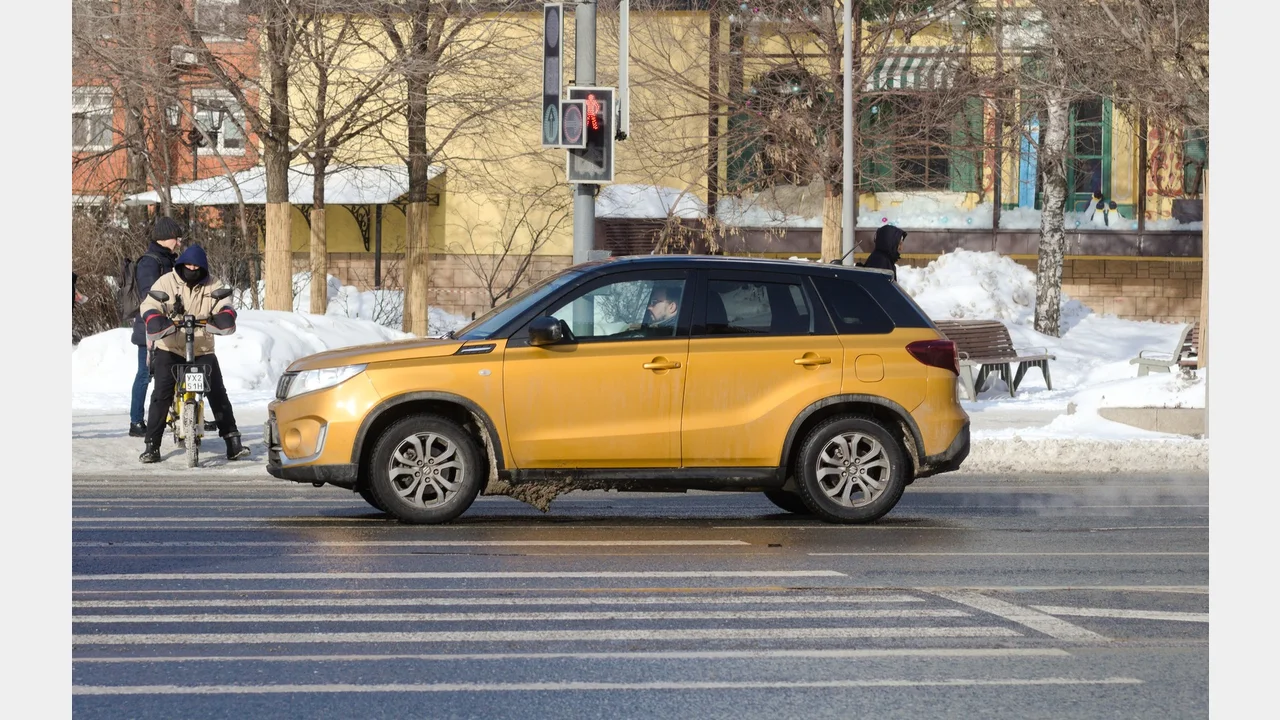
A black Suzuki car is not a single model. Black is a paint color that Suzuki offered on many of its vehicles, so the phrase can describe anything from a small hatchback to a compact SUV or pickup. For US readers, the most important qualification is that Suzuki stopped selling new cars in the United States in the early 2010s. Any black Suzuki you find for sale in the US today is almost certainly a used vehicle from that earlier era, or a private import. This guide explains which models you are likely to encounter, how to work out exactly what you are looking at, and what owning a black example involves.
The Short Answer
If you saw or are considering a black Suzuki in the US, you need three things to understand it: the model name, the model year, and the trim level. The color alone tells you very little about the car's size, engine, equipment or value. Once you know the model and year, you can identify its model generation, powertrain configuration and body style, which matter far more for reliability, parts availability and price than the paint does.
Suzuki in the US Market: Why It Matters
Suzuki's US automotive division exited the new-car business in the early 2010s, with its final US models arriving around the 2013 model year. Suzuki continued to sell motorcycles, ATVs and outboard motors in the US, and the company continues to build and sell cars in many other markets around the world.
This has practical consequences. Many current Suzuki models you may see in photos or videos, such as recent versions of the Jimny, Swift or Vitara, were built to a different market specification and were not sold new in the US. A black Suzuki you see online may therefore be a model that is unavailable through normal US channels.
Suzuki Models Commonly Found in the US
The following nameplates were sold new in the US at various points. Not every model or year was offered in black, and color availability varied by trim and year, so treat this as a starting list for identification rather than a confirmed color chart.
Model | Body style | Notes; Samurai | Small off-road SUV | Early compact 4x4, an older vehicle now mostly seen as a hobby or project car; Sidekick | Compact SUV | Predecessor to the Vitara line in the US; X-90 | Two-seat small SUV | Unusual niche model with a short production run; Vitara / Grand Vitara | Compact SUV | Several generations; later versions moved toward a more road-oriented design; XL-7 | Midsize SUV | Larger SUV; the later generation shared components with a General Motors platform; Swift | Subcompact hatchback | Older US versions differ substantially from the Swift sold elsewhere today; Esteem | Compact sedan and wagon | Late-1990s and early-2000s economy car; Aerio | Compact sedan and hatchback | Offered with front-wheel drive and, on some versions, all-wheel drive; Forenza / Reno / Verona | Compact and midsize cars | Built in partnership with Daewoo in South Korea; SX4 | Compact hatchback and sedan | Hatchback versions were often offered with all-wheel drive; Kizashi | Midsize sedan | Suzuki's last major new car in the US; front- and all-wheel-drive versions; Equator | Midsize pickup | Based on a Nissan Frontier platform
How to Identify a Specific Black Suzuki
Because so many different Suzukis came in black, identifying the exact vehicle is the first step toward any useful decision. These checks work for most cars of this era.
Read the badges: the model name is usually on the trunk lid or tailgate, and some trims carry their own badge. Decode the VIN: the 17-character vehicle identification number, visible through the windshield on the driver's side and on the door jamb label, identifies the manufacturer, model year and often the engine. Check the door jamb label: this sticker typically lists the build date and may include paint information. Look at the body style and proportions: hatchback, sedan, wagon, SUV or pickup quickly narrows the list. Check the drivetrain: AWD or 4WD badging, a transfer case lever or a selector switch indicates the powertrain configuration.
Why the Exact Black Paint Matters
Automakers rarely offer just one black. A model line may have had a solid black, a metallic black and a pearl black in different years, each with its own paint code. These finishes look similar in some light but differ under sunlight and next to each other, which becomes obvious after a body panel is repainted.
If you need touch-up paint or a body repair, use the vehicle's paint code rather than simply asking for black. The code is usually printed on a label on the vehicle, commonly in the driver's door jamb or under the hood, though the location varies by model. A body shop or parts supplier can also look it up from the VIN.
Living With a Black Car
Black paint has well-known strengths and drawbacks that apply to any black car, Suzuki or otherwise. Its appeal is a deep, clean appearance when well maintained. Its downside is that it shows imperfections more clearly than lighter colors.
Swirl marks and fine scratches show up readily, especially from automatic car washes or dry wiping. Dust, pollen and water spots are more visible between washes. Dark surfaces absorb more sunlight, so the cabin and panels can get hotter when parked in direct sun. Older paint can oxidize or fade, which makes the finish look dull or uneven. Mismatched repaired panels are easier to spot on an older black car.
Hand washing with a proper wash mitt, drying with a soft microfiber towel, and applying wax or a paint sealant help keep black paint looking its best. On an older car, a professional paint correction can often reduce swirls and light oxidation, but deep scratches through the clear coat usually need repainting.
Buying a Used Black Suzuki in the US
Since there is no longer a US Suzuki car dealer network, buying one comes down to the condition of the individual car and the availability of parts. A careful inspection matters more than usual.
Get a pre-purchase inspection from an independent mechanic, ideally one familiar with Japanese or Korean vehicles. Check for open recalls using the VIN; the manufacturer may still have recall obligations even after leaving the market. Ask about parts: shared components with other brands, such as the Nissan-based Equator or the Daewoo-built models, can make some parts easier to source. Inspect the paint closely in daylight for repaints, color mismatch, overspray and rust under the paint. Look for rust on underbody, wheel arches and rocker panels, which is common on older vehicles in road-salt regions. Review the maintenance records, especially for timing components and transmission service on higher-mileage cars.
What About Newer Suzukis You See Online?
Many of the most photographed black Suzukis today are recent models from other markets, particularly the compact Jimny off-roader. These vehicles were not sold new in the US. Under US rules, vehicles generally must be at least 25 years old to be imported without meeting current federal safety and emissions standards, so recent foreign-market Suzukis usually cannot be registered for road use through ordinary channels. Older imported examples that meet the age threshold may be legal to import, but registration requirements also vary by state.
Bottom Line
A black Suzuki car is any Suzuki model finished in one of the brand's black paints, not a separate model. In the US, that almost always means a used vehicle from the period before Suzuki left the American car market, or an older import. To make a sound decision, identify the model, model year, trim level and powertrain from the badges and VIN, confirm the exact paint code if bodywork is involved, and judge the car on its individual condition and parts availability rather than its color.