Subaru Radiator Cap Pressure Rating
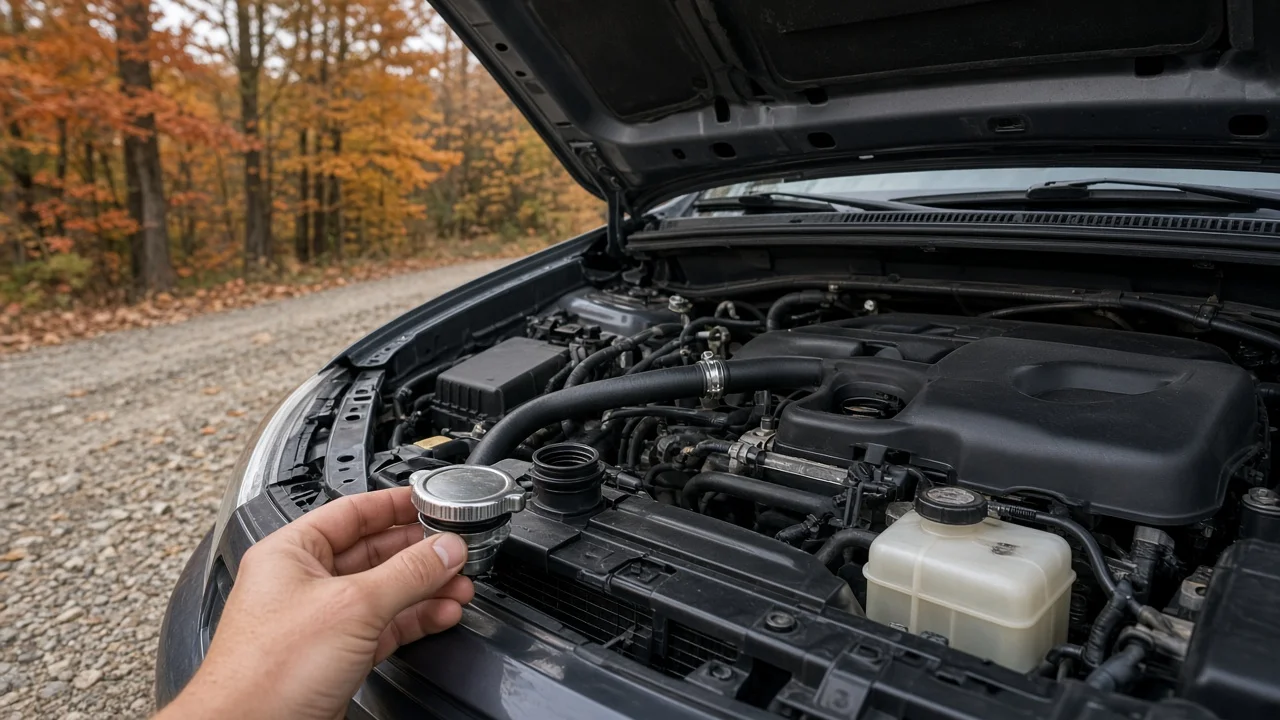
A radiator cap is often treated as a simple replacement part, but its pressure rating directly shapes how the entire cooling circuit behaves. Drivers researching a Subaru radiator cap pressure rating, including STI owners considering a high pressure cap, are usually trying to understand whether a different cap changes cooling performance, boiling protection, or risk of leaks. In a Subaru system, cap pressure works together with coolant concentration, thermostat operation, and system sealing. Before changing parts, it helps to understand how the cap’s release pressure is measured, what it does during heat soak, and why a higher rating is not automatically an upgrade.
Essential answer
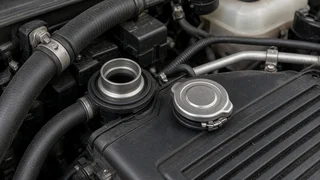
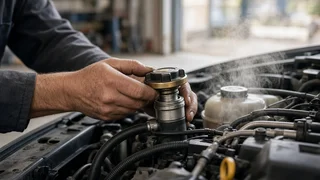
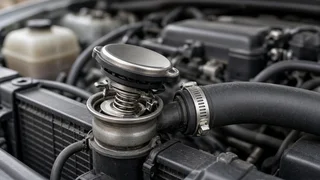
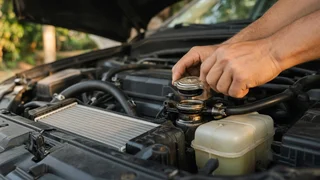
The Subaru radiator cap pressure rating identifies the pressure at which the cap begins venting excess coolant from the cooling circuit to the overflow reservoir. The cap is not simply a lid; it is a calibrated spring-loaded valve. As the engine warms, the coolant expands and system pressure rises. Once pressure reaches the cap’s rated point, the valve lifts and releases a small amount of fluid. As the engine cools, the vacuum valve allows coolant to return. A factory-style Subaru cap is generally rated near 0.9 bar or 1.1 bar depending on application, but no universal rating applies to every Subaru model or year.
A demand for an STI high pressure radiator cap usually refers to a cap rated above the stock opening pressure, commonly around 1.3 bar. Raising opening pressure can increase the temperature at which the coolant boils, which is useful under sustained load, track use, or high ambient heat. However, the benefit depends on the rest of the cooling system. If the radiator, hoses, heater core, or water pump sealing areas are already marginal, a higher cap pressure may expose a weak spot. A high pressure cap should be considered a tuning change matched to the cooling circuit, not a repair for an overheating engine.