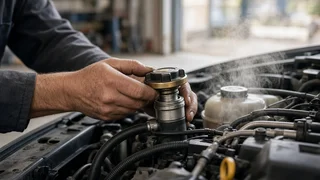
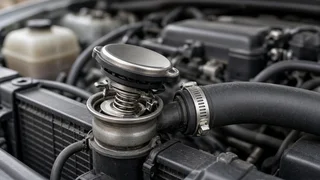
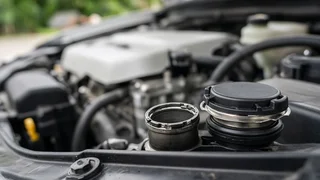
Radiator cap pressure rating
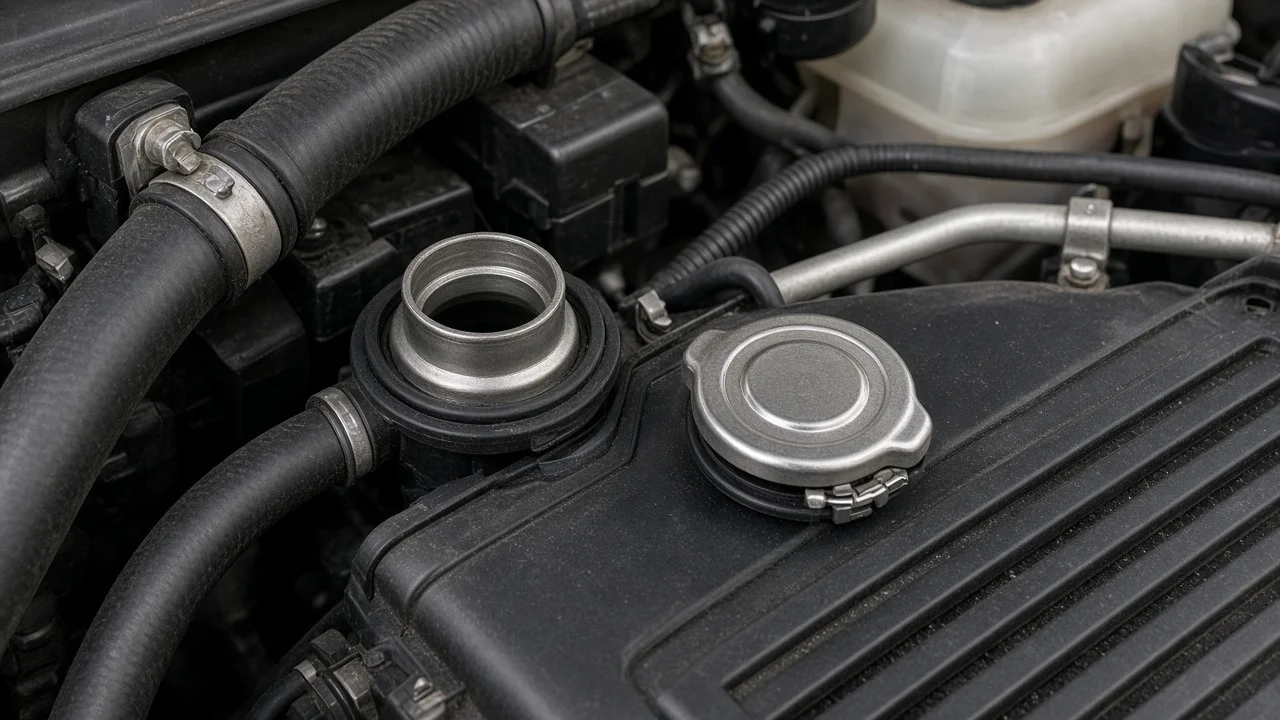
A radiator cap is often overlooked until overheating or coolant loss appears, yet its pressure rating directly controls how hot the cooling circuit can run before boiling begins. Raising system pressure increases the coolant’s boiling point, helping a Toyota engine tolerate high loads without forming disruptive air pockets. Choosing the wrong cap changes that safety margin. The useful question is not whether pressure matters, but what rating the vehicle’s system expects and how a replacement cap should match that original cooling design.
Essential answer
The essential answer is that a Toyota radiator cap pressure value is a system rating, not a performance upgrade. The cap holds the cooling circuit at a designed pressure above atmospheric, usually expressed in pounds per square inch or bar, and vents only when pressure exceeds that threshold. This controlled retention raises the boiling point of the coolant, reducing the chance that localized hot spots inside the engine convert liquid into vapor. A cap that opens too early cannot protect against boiling, while one rated much higher may add stress the radiator and hoses were not designed to carry.
When researching a typical radiator cap pressure, the goal is to identify the replacement rating specified for the vehicle rather than a universal number. Many modern passenger vehicles use caps in a moderate range, but the exact value varies with engine design, radiator construction, and the coolant specification. The rating is commonly marked on the cap itself or listed on an underhood label. Because the cap is a calibrated relief valve, its spring tension and sealing washer must work together; age, corrosion, or a distorted seal can cause the system to vent at the wrong pressure even when the printed number looks correct.