Subaru Forester review
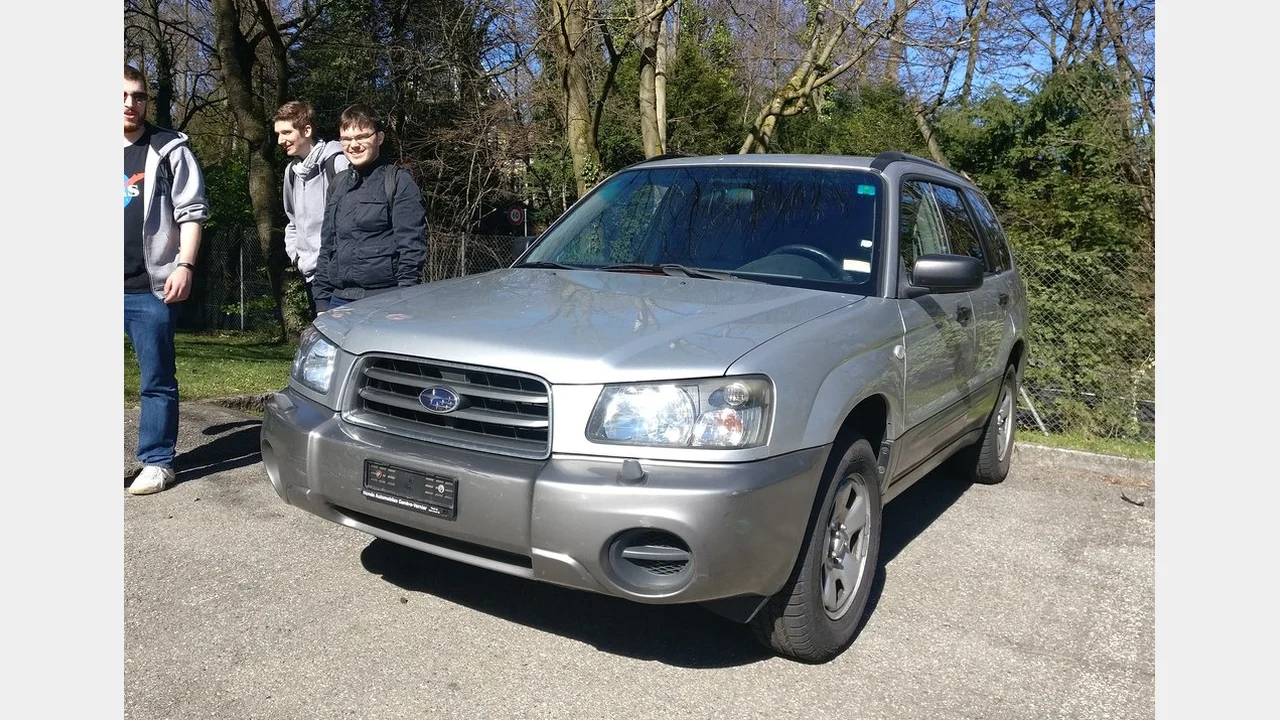
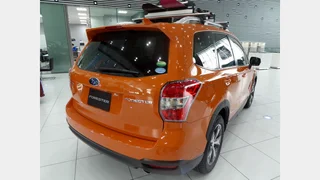
A Subaru Forester review often balances its practical packaging against a driving character shaped by all-wheel drive and a boxer engine. The search for “Subaru Forester car and driver” typically means looking beyond a brochure to understand how this tall body style behaves on real pavement. The relevant answer changes with model generation, trim level and powertrain configuration, so a useful overview should separate lasting design traits from features unique to one market specification. The essentials below focus on the widely recognized mechanical layout, interior usefulness and everyday road manners that define the model.
Essential answer
The essential answer is that the Forester has long been reviewed as a compact crossover SUV with standard all-wheel drive and upright packaging. The subject’s scope is broader than a single road test because a model generation can span multiple model years, and a mid-cycle update may alter driver assistance or suspension tuning without changing the fundamental body style. The term “car and driver” points to how the vehicle feels from the left seat, not only its cargo dimensions or all-weather traction. Readers should treat any review as a blend of measurable utility and subjective ride-and-handling impressions that depend on the equipment fitted.
The evaluation usually centers on how the flat-four engine and continuously variable transmission work together during acceleration and hill climbing. Because the powertrain configuration influences noise and throttle response, reviewers often note that steady-state cruising feels different from a hard merge. A higher trim level may add a larger infotainment screen or upgraded upholstery, but it does not necessarily change the core chassis character. Therefore, the direct answer is conditional: this is a sensible, visibility-focused compact SUV whose appeal rests on predictable handling and family-friendly space, with final judgment depending on the model generation and selected equipment.
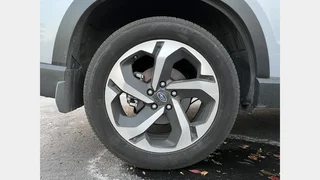
From the driver’s seat, the Forester is typically described as having generous glass area and a commanding view of the road. The upright roof and relatively low beltline reduce blind spots in city driving, while the elevated seating position makes it easier to place the vehicle in a lane. Because the body style favors headroom, rear-seat passengers often receive more vertical space than they would in a sleeker crossover. Reviewers also point out that the seating comfort and steering feedback vary with the wheel-and-tire package, which can alter ride quality over broken urban surfaces.
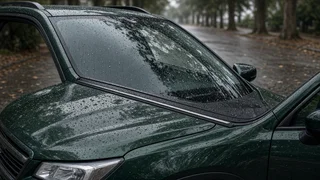
On the highway, the all-wheel-drive system contributes to a planted feel during rain or light snow, yet it does not remove the need for appropriate tires. The continuously variable transmission is typically tuned to avoid droning at constant speed, though a downshift simulation may be audible when passing. Owners researching this vehicle often care about how easily a child seat fits, whether the tailgate opening suits bulky cargo, and whether the climate controls remain simple to use while driving. Those practical details frequently matter more in this segment than ultimate cornering grip.