Subaru windshield molding (including Forester)
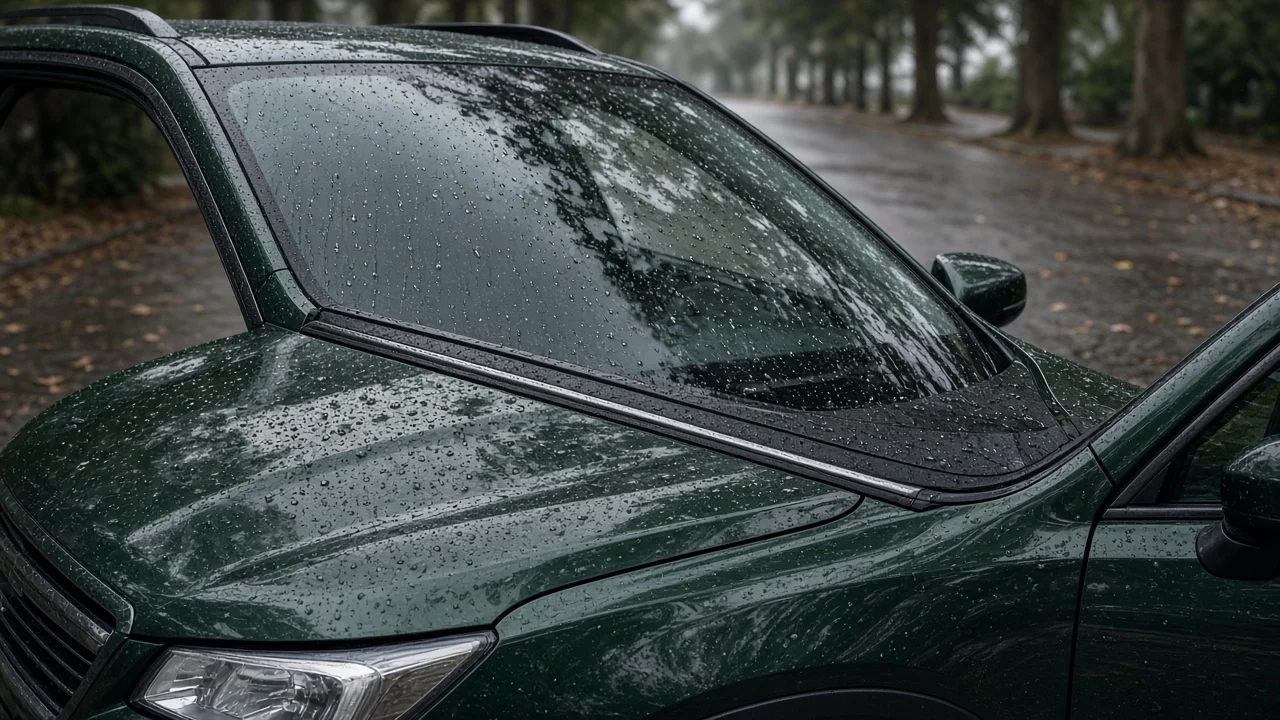
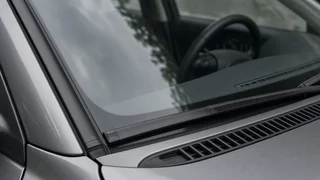
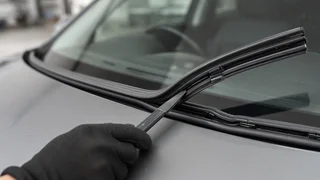
Windshield molding on Subaru models such as the Forester performs both an aerodynamic and a protective role at the edge of the glass. This trim piece bridges the gap between the windshield, roof pillars, and cowl while directing water away from the adhesive bond beneath. Over time, sun exposure, temperature swings, and debris can distort or crack the molding. Drivers often notice the issue as wind noise, a loose strip flapping at highway speed, or moisture collecting in the surrounding channel. Understanding the molding’s dual job clarifies why its fit and material do not depend on improving visibility directly, but on preserving the entire glass assembly.
Essential answer
The essential answer is that Subaru windshield molding is an exterior trim component surrounding the glass rather than part of the structural sealing adhesive. On a Forester and similar vehicles, the side and upper moldings are usually separate pieces that snap into a channel or press against the body. They reduce wind turbulence, conceal the gap around the glass, and help shield the urethane adhesive from direct UV damage and steady water flow. A degraded molding does not automatically mean the windshield is leaking, but it can allow debris to accumulate and accelerate wear near the seal area.
This part varies by vehicle specification, including body style and windshield shape, so one Subaru windshield molding design should not be assumed to fit every model year. The Forester windshield molding is often described as a cosmetic weatherstrip, yet its condition still matters to long-term glass fitment. Heat, freezing moisture, and repeated wiper contact along the lower edge can all change how the strip seats. Inspecting seal condition and the channel around the panel helps distinguish a reversible trim fault from damage that requires refitting the glass or replacing the surrounding clips.