SsangYong cars
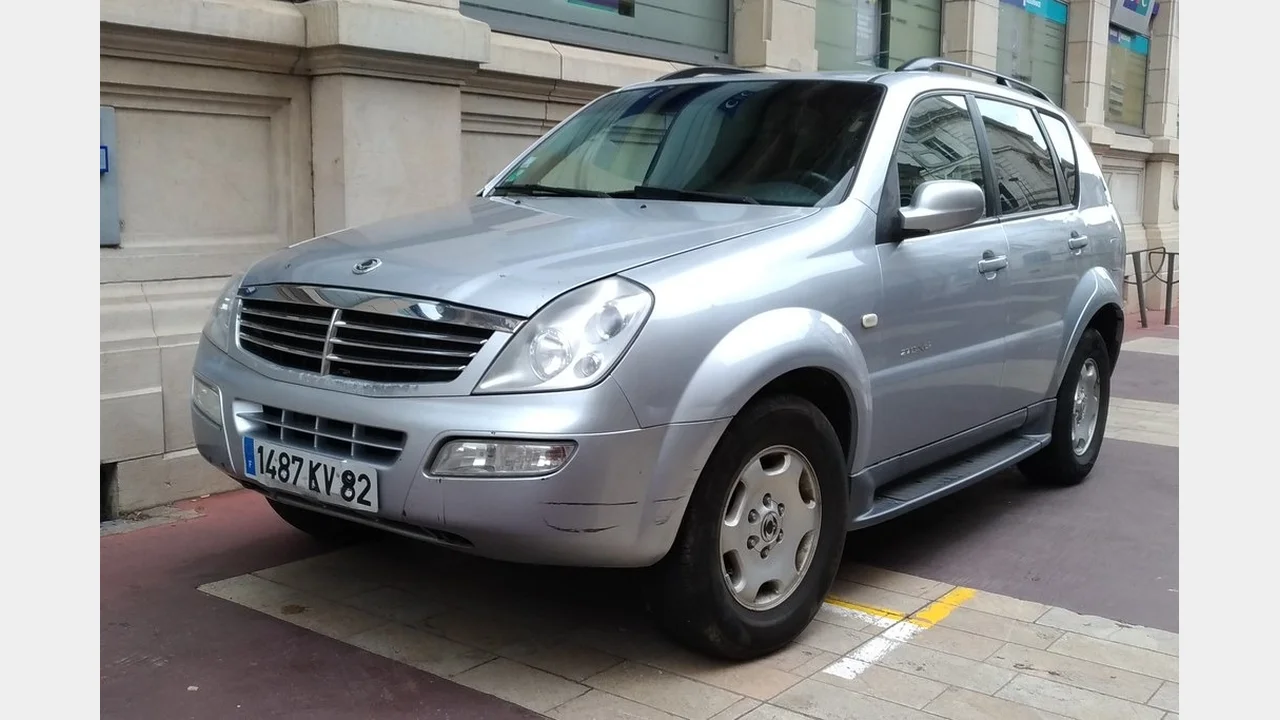
A SsangYong car often surprises American shoppers because its name sounds unfamiliar, yet the brand has produced body-on-frame SUVs, compact crossovers, and a distinctive pickup for decades under Korean ownership. Understanding what a SsangYong vehicle is means looking beyond a single model year or trim level. Instead, the subject covers different body styles, powertrain configurations, and market specifications that changed through several model generations. For US readers researching these vehicles, the essential task is separating broad brand characteristics from regional availability and supported ownership facts.
Essential answer
SsangYong cars are products of a South Korean manufacturer known primarily for rugged SUVs, crossover models, and the Musso and Actyon Sports pickups. The essential scope is not one universal car but a family of vehicles that has shifted from utility-focused designs toward more road-oriented crossovers. Because US distribution has been limited or absent for many model generations, an American reader is usually researching an imported example, an older vehicle, or a potential purchase in a market where the brand remains active. The direct answer is that a SsangYong car is a Korean-designed vehicle with strong SUV heritage rather than a conventional passenger car line.
The relevant qualification is that naming, equipment, and powertrain configuration vary widely by market specification. A vehicle sold under the SsangYong badge in one region may carry different trim naming or available engines elsewhere. Therefore, when evaluating any particular SsangYong car, the model generation and body style matter more than the brand badge alone. Some models emphasize diesel torque and ladder-frame construction, while later crossovers use monocoque platforms. Readers should interpret this as a broad brand category where the specific vehicle’s configuration determines its character, not a single consistent automotive formula.