Skoda Superb Service Schedule: Intervals, Service Items and What Changes the Answer
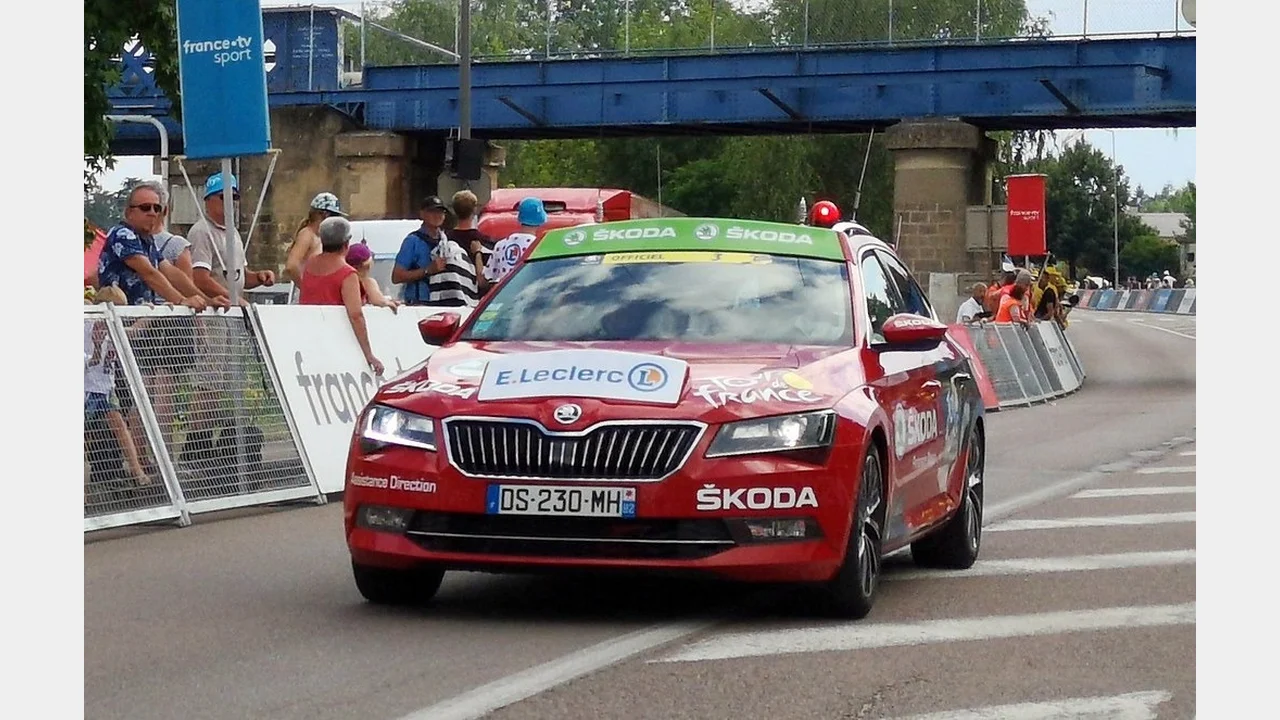
There is no single service interval for the Skoda Superb. The correct schedule depends on the generation, the engine and gearbox, the market the car was built for, and which service regime it is set to. Most Superbs follow a combined time and mileage limit, where service is due at whichever comes first. Many European-market cars can also run a flexible, condition-based regime that lets the car calculate its own oil-change timing. For any individual car, the manufacturer schedule for that specific vehicle, recorded in its handbook or service documentation, is the authoritative answer. This guide explains how the schedule is structured and what typically appears on it.
An important qualification for US readers
Skoda has never officially sold the Superb in the United States, and there is no US Skoda dealer network. A Superb in the US is almost always a private import or a car brought over by its owner. That has two practical consequences. First, there is no US-specific Skoda service schedule. The relevant schedule is the one for the market where the car was originally supplied, usually a European one. Second, routine servicing normally falls to independent specialists familiar with Volkswagen Group vehicles, or to Volkswagen or Audi dealers willing to work on the car. Many Superb engines, gearboxes and platforms are shared with other Volkswagen Group models, which helps with parts and diagnostics. Confirm parts and fluid specifications against the Superb's own vehicle data rather than assuming they match a US-market Volkswagen.
How the Superb service interval is structured
Volkswagen Group cars, including Skoda, have generally used two service regimes. The exact names and limits vary by market and model year.
Fixed service: oil and filter changes and inspections occur at set time and mileage limits, whichever comes first. This suits cars that do short trips, tow, or run in harsh conditions, and it is the default in some markets. Flexible or variable service (often called LongLife in Volkswagen Group terminology): the car monitors factors such as distance, engine load, temperatures and driving style, then displays when the next oil service is due. The interval can stretch further under gentle, steady use, up to a maximum time limit. It requires a specific long-life engine oil that meets the relevant Volkswagen Group oil standard for that engine.
Whichever regime applies, the instrument cluster service indicator shows the next oil service and the next inspection. These are often tracked separately. A workshop resets the indicator after service. Some cars can be switched between regimes with diagnostic equipment, so a used car's current setting does not always match its original specification.
Scheduled service items you can expect
Beyond the oil change, the manufacturer schedule lists items due at their own intervals. Some are tied to mileage, some to time, and some to both. Which items apply depends heavily on the powertrain.
Item | Typical basis | What changes it; Engine oil and filter | Time and mileage, or calculated by the car under flexible service | Service regime, oil specification, operating conditions; General inspection | Time and mileage | Market and model year; Brake fluid | Time, regardless of mileage | Usually fixed by the manufacturer schedule; Cabin (pollen) filter | Time and mileage | Dusty or polluted environments may warrant earlier changes; Engine air filter | Mileage, sometimes also time | Dusty conditions; Spark plugs (petrol) | Mileage and/or time | Specific engine; Fuel filter (diesel) | Mileage and/or time | Specific engine and fuel quality; Timing belt and tensioner | Mileage and time, or inspection-based | Applies only to belt-driven engines; chain-driven engines differ; DSG automatic gearbox fluid | Mileage | Wet-clutch DSG units generally need fluid changes; dry-clutch units are treated differently; All-wheel-drive coupling fluid | Mileage and/or time | Only on 4x4 versions; Coolant | Inspection, occasional replacement | Coolant specification and age; AdBlue (diesel SCR systems) | Refill as needed | Only on diesels with SCR exhaust treatment; Hybrid system checks | As specified | Only on plug-in hybrid (iV) versions
This table shows the structure, not exact numbers. Precise intervals differ across the four Superb generations (launched in 2001, 2008, 2015 and 2024) and across individual engines. For mileage and time limits, use the documentation for the specific car.
Differences between generations and powertrains
First generation (2001–2008): an older design with engines shared with contemporary Volkswagen Group models, including several belt-driven units. Age-related checks on rubber parts, cooling and suspension become as important as the formal schedule. Second generation (2008–2015): introduced wider use of TSI petrol and common-rail TDI diesel engines and DSG gearboxes. Timing drive type and DSG version strongly affect what the schedule includes. Third generation (2015–2023): built on the MQB platform. It added a plug-in hybrid iV version late in its life, bringing hybrid-specific inspection items. Fourth generation (2024 onward): current-model schedules should be taken directly from the car's own documentation and onboard service display, because intervals for recent models can differ from earlier practice.
How operating conditions affect the schedule
Manufacturer schedules generally assume typical use. Frequent short trips, extended idling, towing, very hot or cold climates, dusty roads and stop-start city driving all count as more severe operating conditions. Under these conditions, a fixed schedule with shorter oil-change intervals is the more conservative choice, and filters may need earlier replacement. Owners who mostly drive long, steady highway distances are the best fit for a flexible regime. Whether a flexible interval suits your car is partly an editorial judgment. Many independent specialists prefer shorter fixed oil changes for turbocharged engines that see harder use.
Keeping a maintenance record
A complete maintenance record matters for any car, and especially for an imported Superb, where future buyers and workshops may know the model less well. Recent Skoda models often store service history digitally rather than in a paper booklet, and accessing it may depend on the original market's dealer systems. Keep your own record of every service: the date, mileage, work done, oil specification used, and invoices. Note DSG and coupling fluid changes and any timing belt replacement explicitly, because these are the expensive items buyers ask about.
Finding the right schedule for your Superb
Identify the exact model year, generation, engine code and gearbox type. These details appear in the vehicle documentation, on the data sticker usually found in the spare-wheel well or service booklet, and through VIN decoding. Check the owner's handbook and service documentation that came with the car for the manufacturer schedule and the service regime it was supplied with. Read the service indicator in the instrument cluster to see when the next oil service and inspection are due. Ask a Volkswagen Group specialist to confirm the current service regime setting and the oil specification the engine requires. If the history is incomplete, have the time-based items done as a baseline: oil and filter, brake fluid and cabin filter. Then check when the timing belt and gearbox fluid were last serviced.
Bottom line
The Skoda Superb service schedule is based on time and mileage, whichever comes first. Many cars offer a choice between fixed intervals and a flexible, condition-based regime for oil changes. Other items, such as brake fluid, DSG fluid, timing belts and all-wheel-drive coupling fluid, run on their own intervals, which depend on the powertrain. In the US, there is no local Skoda schedule or dealer support, so the car's original-market documentation, its onboard service indicator and a Volkswagen Group specialist are the practical sources for the exact intervals.