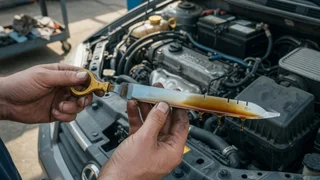
Siphoning oil through the dipstick
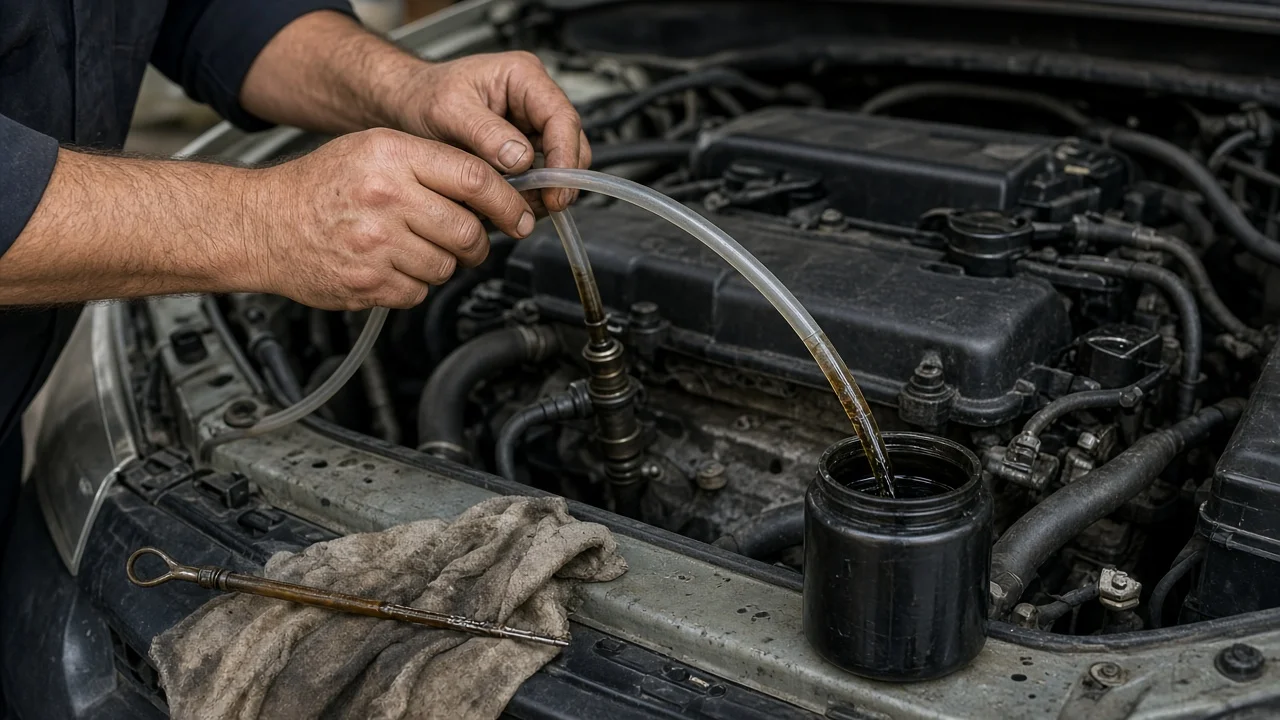
Removing engine oil through the dipstick tube is a workaround that appeals when a drain plug is damaged, inaccessible, or when a small overfill must be corrected. Many DIYers ask whether an oil syphon through dipstick can replace a conventional drain. The short answer is that it is possible on vehicles whose tube provides a clear path to the oil pan, but the result varies with tube routing, oil temperature, and equipment. A thin extraction hose, a dependable pump, and a correct lubricant specification all affect whether the job is clean and complete.
Essential answer
An oil syphon through dipstick uses a narrow tube inserted into the dipstick guide to pull lubricant from the sump with a hand or powered pump. The method works best when the extraction hose reaches the lowest area of the oil pan and the oil is warm enough to flow but not hot enough to damage plastic tubing. It is a practical alternative for overfill removal or for engines designed with top-side service, yet it may leave a small amount of old oil behind on many conventional pans.
The process is not a universal substitute for a drain-pan service. The dipstick tube is only a measurement and fill-reference opening on some engines, and internal baffles or a shallow pan floor can prevent complete fluid pickup. Before relying on this method, confirm that the hose will follow the tube without kinking, that the pump can hold a seal, and that the fill quantity and level check can be repeated after the extraction. Manufacturer approval and equipment identification are useful because not every workshop pump suits a given dipstick bore.