Semi-Metallic vs Ceramic Brake Pads: Which Should You Choose?
Ceramic brake pads are usually the better choice for everyday commuting and highway driving. They tend to be quieter, produce less visible dust and are gentler on brake rotors. Semi-metallic brake pads are usually the better choice when brakes work hard and run hot, such as when towing, hauling heavy loads, driving in mountains or driving aggressively. They grip strongly and tolerate heat well, but they are typically noisier and dustier. One qualification matters more than either label: the pad must suit your specific vehicle, and many vehicles are designed around a particular pad type. Checking the type your vehicle came with is a sensible starting point.
What the two pad types are made of
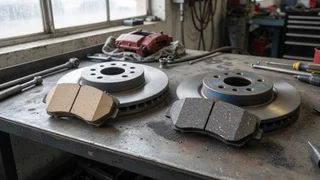
Every brake pad has a steel backing plate and a layer of friction material. When you press the pedal, brake fluid transmits pressure to the caliper, and the caliper clamps the pads against the spinning rotor. Friction between the pad and rotor converts the car's motion into heat. The friction material determines how the pad behaves, and that material is the main difference between the two types.
Semi-metallic pads contain a substantial proportion of metal, such as steel fibers or other metal particles, blended with fillers, lubricants and binding resins. The metal adds strength, helps draw heat away from the braking surface and gives a firm, aggressive bite.
Ceramic pads use a dense ceramic-based compound, often reinforced with fine fibers and sometimes small amounts of metal such as copper or other alternatives. The formula aims for smooth, consistent friction with less noise and less abrasive wear.
When people compare metallic vs ceramic brake pads, they almost always mean semi-metallic pads. Fully metallic or sintered pads also exist, but they are mainly used in racing, some heavy-duty applications and motorcycles. They are rarely the right choice for an ordinary passenger car.
Side-by-side comparison
Factor | Ceramic pads | Semi-metallic pads; Noise | Generally quieter; less prone to squeal | More likely to produce noise, especially when cold; Brake dust | Less visible dust; usually lighter in color | More dust; usually dark and more noticeable on wheels; Rotor wear | Typically gentler on rotors | More abrasive; rotors may wear faster; Initial bite | Smooth and progressive | Strong, firm bite; Heat tolerance under repeated hard use | Good for normal driving; less suited to sustained extreme heat | Handles and sheds heat well under heavy, repeated braking; Cold performance | Consistent, though bite may feel softer | Bite can vary until warmed up; Pad life | Often long in everyday driving | Varies; can wear faster depending on use; Price | Usually higher | Usually lower; Best suited to | Commuting, highway driving, comfort-focused vehicles | Towing, hauling, trucks, mountain driving, spirited driving
These are general tendencies. Formulations vary widely between brands and product lines, and a premium semi-metallic pad can be quieter than a low-quality ceramic one.
Where semi-metallic brake pads make sense
Semi-metallic brake pads are built to work under load. Their metal content helps carry heat away from the friction surface, which helps them resist brake fade. Fade is the loss of stopping power that happens when brakes get too hot. That makes them a common choice for:
Pickup trucks and SUVs that tow trailers or carry heavy loads; Vehicles driven often on long downhill grades; Performance-oriented driving where brakes are used hard and repeatedly; Vehicles whose manufacturer specifies a semi-metallic compound; Drivers on a tighter budget who accept more noise and dust
The trade-offs are the reasons many drivers switch away from them. Semi-metallic pads can squeal or grind, especially on cold mornings. They leave dark dust on the wheels and tend to wear rotors faster, so rotor replacement may come sooner.
Where ceramic pads make sense
Ceramic pads suit the kind of driving most people do most of the time: commuting, errands and highway trips with moderate braking. Their advantages are comfort and cleanliness. They are quieter, leave less noticeable dust, feel smooth and predictable, and tend to treat rotors more gently.
Their limits show up at the extremes. For sustained heavy braking, such as towing near a vehicle's limit, track use or long mountain descents with a loaded vehicle, a ceramic pad may not be the strongest option unless it is specifically rated for that duty. Ceramic pads also usually cost more up front, though their longer life and lower rotor wear can offset some of that over time.
Are ceramic pads the quietest brake pads?
If your main goal is quiet brake pads, ceramic is generally the type to start with. The compound is less prone to the high-frequency vibration that causes squeal. But the friction material is only part of the picture. Many squeaks and grinding sounds come from other parts of the brake system:
Missing, worn or reused shims and anti-rattle clips; Caliper slide pins or contact points that are dry, corroded or sticking; Rotors that are scored, glazed, rusted or unevenly worn; New pads installed on old rotors without resurfacing or replacement where needed; Pads that were not properly bedded in after installation; Pads worn down to the built-in wear indicator, which is designed to squeal as a warning
In practice, the quietest brake pads are good-quality pads matched to your vehicle and installed with correct hardware on healthy rotors. A noisy brake job usually needs attention to the installation, not just a different compound. Grinding is different from squealing. It can mean the friction material is gone and the backing plate is contacting the rotor, and it should be inspected promptly.
How to choose for your vehicle
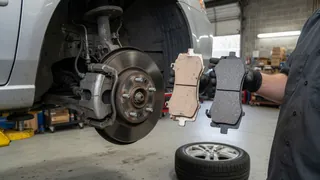
Start with vehicle fitment. Pads are made for specific makes, models, model years and sometimes trims or brake packages. Front and rear pads often differ, and vehicles with optional heavy-duty or performance brakes may use different parts than the base model. Confirm the part matches your exact vehicle before buying.
Then consider what the vehicle originally came with. Manufacturers choose a pad compound to suit the vehicle's weight, braking system and intended use. Staying with the original type is the safest default. Switching from semi-metallic to ceramic can make sense on a car used only for light driving. Switching a heavy-duty truck that tows regularly to ceramic pads without a tow-rated product is harder to justify.
Finally, match the pad to how you actually drive:
Daily commuting with an emphasis on quiet and clean wheels: ceramic; Regular towing, hauling or heavy loads: semi-metallic, or a pad specifically rated for towing; Frequent long descents or mountain driving: semi-metallic is often the more heat-tolerant choice; Spirited or performance driving on the street: often semi-metallic or a performance-specific compound; Lowest up-front cost: semi-metallic is usually cheaper
Practical notes when replacing pads
Replace pads in complete axle sets so braking stays balanced from side to side. Inspect the rotors at the same time. If they are below the manufacturer's minimum thickness, warped or deeply grooved, they should be resurfaced or replaced. When changing from one compound to another, fresh or resurfaced rotors help the new pads seat properly, because pad material transfers to the rotor surface during use.
Follow the pad maker's bedding-in procedure after installation. Bedding usually involves a series of controlled stops that lay down an even layer of friction material on the rotor. Skipping it can lead to noise, vibration and weaker braking at first.
Watch the wear limits. Pads should be replaced before the friction material reaches the minimum thickness specified for your vehicle. Signals include a squealing wear indicator, a dashboard warning on vehicles with electronic wear sensors, or a visual check through the wheel. Brake fluid does not need to change when you switch pad types, but it should still be checked and replaced at the intervals your owner's manual recommends. Old fluid absorbs moisture, which lowers its boiling point and can reduce performance under heavy braking.
The bottom line
Choose ceramic pads for quiet, clean, comfortable braking in everyday driving. Choose semi-metallic pads when your brakes regularly deal with heavy loads, towing or sustained heat, and you can accept more noise and dust. In either case, buy pads that fit your exact vehicle, respect the type the manufacturer specified, and pair them with sound rotors and correct installation. Those factors affect real-world braking and noise as much as the compound itself.