Sedan Car Brands: Who Still Builds Sedans in the US and How They Differ
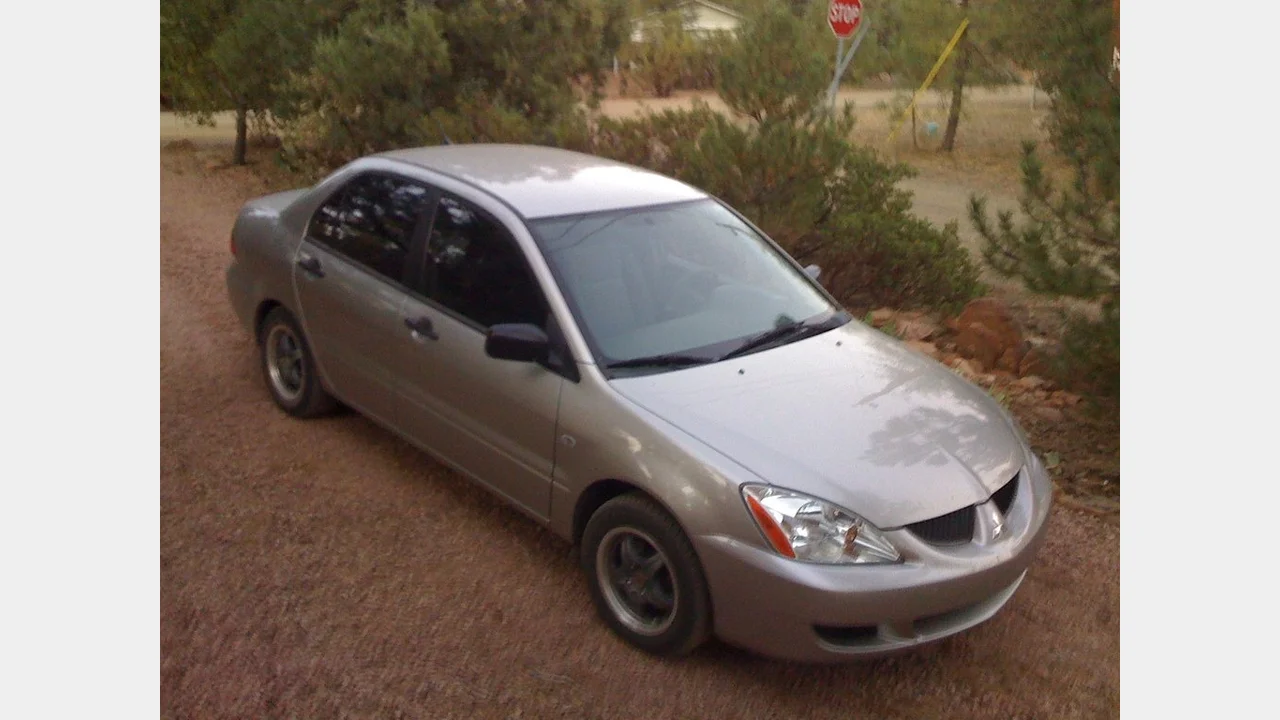
Many brands still build sedans for the US market, but the list is shorter than it was a decade ago. Japanese and Korean automakers dominate the mainstream segment. German, Japanese and Korean luxury brands cover the premium end, and several electric-vehicle makers have added sedans of their own. Domestic brands, meanwhile, have largely moved away from traditional four-door sedans. Which brands qualify depends on the model year you are shopping, because lineups change often and some models are discontinued or renamed with little notice.
What Counts as a Sedan
A sedan is a passenger car with four doors and a separate trunk. The trunk lid hinges below the rear window, so the cargo area is closed off from the cabin. This three-box layout, with distinct sections for engine, passengers and cargo, is what separates a sedan from neighboring body styles.
Hatchback: the rear window lifts together with the tailgate, opening the cargo area to the cabin. Many compact models are sold in both sedan and hatchback form. Liftback or fastback: looks like a sedan from the side, with a sloping roofline, but has a hatch-style opening at the rear. Some manufacturers market these as sedans or as four-door coupes. Coupe: traditionally a two-door car with a sportier roofline. The term "four-door coupe" is a marketing label for a sedan or liftback with a low, sloping roof. Wagon: a sedan-based car with an extended roof and a large rear cargo area behind a tailgate.
These distinctions matter when you compare brands. A manufacturer may list a model as a sedan even though it has a liftback, and some popular nameplates are sold only as hatchbacks in certain years.
Mainstream Sedan Brands
These brands sell sedans at mass-market prices. They focus on practicality, fuel efficiency and running costs. Lineups below reflect recent US availability and may vary by model year.
Brand | Representative sedans (recent US model years) | General positioning; Toyota | Corolla, Camry, Crown | Broad range from compact to upper midsize; hybrid powertrains widely available; Honda | Civic, Accord | Compact and midsize sedans with hybrid options on the Accord and Civic in recent years; Hyundai | Elantra, Sonata, Ioniq 6 (electric) | Compact and midsize sedans, plus an electric sedan; Kia | K4 (successor to the Forte), K5 | Compact and midsize sedans with a sporty styling emphasis; Nissan | Versa, Sentra, Altima | Subcompact to midsize sedans; Altima has offered all-wheel drive; Mazda | Mazda3 sedan | Compact sedan, also sold as a hatchback; Volkswagen | Jetta | Compact sedan, including a performance-oriented GLI version; Subaru | Legacy (being phased out), WRX | Standard all-wheel drive across its car lineup
Luxury Sedan Brands
Premium brands still treat sedans as core products, especially in the compact executive and midsize executive classes. Compared with mainstream models, they typically offer more powerful engines, rear-wheel-drive or all-wheel-drive platforms, higher-grade interiors and more advanced driver-assistance features. Exact features depend on trim and model year.
Brand | Representative sedans (recent US model years) | General positioning; BMW | 3 Series, 5 Series, 7 Series, i4, i5, i7 | Rear-wheel-drive-based sedans with a sporty focus; electric versions across sizes; Mercedes-Benz | C-Class, E-Class, S-Class, electric EQ sedans | Comfort and technology emphasis from compact to flagship; Audi | A3, A5 (replacing the A4 name), A6, A8, e-tron GT | Quattro all-wheel drive widely available; naming changed in recent years; Lexus | IS, ES | ES focuses on comfort and front-wheel-drive refinement; IS is rear-wheel-drive and sportier; Acura | Integra, TLX | Integra is a liftback marketed alongside sedans; TLX is a midsize sports sedan; Genesis | G70, G80, G90, electrified G80 | Hyundai's luxury brand, covering compact to flagship sizes; Cadillac | CT4, CT5 | Rear-wheel-drive-based sedans with high-performance V variants
Electric Sedan Brands
The sedan shape suits electric vehicles well. A lower, more aerodynamic body generally helps range compared with a taller SUV of similar size. As a result, several EV-focused brands lead with sedans.
Tesla: Model 3 and Model S. Lucid: Air, positioned as a luxury electric sedan. Polestar: Polestar 2, a fastback with a hatch-style rear opening. Traditional brands with electric sedans: Hyundai (Ioniq 6), BMW (i4, i5, i7), Mercedes-Benz (EQ models) and Porsche (Taycan).
Brands That Have Scaled Back Sedans in the US
Shifting demand toward SUVs and pickups led several automakers to drop sedans from their US lineups. Ford ended its mainstream US sedans several years ago and now focuses on trucks, SUVs and the Mustang. Chevrolet ended production of the Malibu, its last mainstream sedan. Chrysler retired the 300, and Dodge reworked the Charger into a new generation that departs from its previous sedan format. Volvo has also reduced its sedan offerings in the US. Used examples of these discontinued models remain widely available, so they are still relevant if you are shopping pre-owned.
How Sedan Brands Differ in Practice
Brands differ in how they balance comfort, performance and cost, and those differences show up in a few consistent ways.
Drivetrain layout: Most mainstream sedans use front-wheel drive, which is space-efficient and cost-effective. Many luxury sedans are built on rear-wheel-drive platforms, which brands usually promote for handling balance. All-wheel drive is standard at Subaru and optional at many other brands. Powertrain choice: Toyota and Honda have leaned heavily into hybrids. European luxury brands offer turbocharged gasoline engines alongside electric models. EV brands offer only electric powertrains. Size class: Subcompact and compact sedans prioritize price and efficiency. Midsize sedans add rear-seat and trunk space. Full-size and flagship luxury sedans emphasize comfort and technology. Ownership costs: Mainstream brands generally have lower parts and service costs than luxury brands. Actual costs vary by model, region and how the car is maintained.
Choosing Among Sedan Brands
Start with your size class and budget, then narrow by powertrain. If fuel economy is the priority, compare hybrid sedans from brands that offer them in your size class. If you need all-wheel drive, check whether it is standard or optional, because many sedans offer it only on certain trims. If you are considering an electric sedan, compare range and charging speed for the specific trim, along with charging access where you live.
Finally, confirm the current lineup before you shop. Sedan availability in the US has changed quickly in recent years, and a model that existed last year may have been discontinued, renamed or offered only in a different body style.