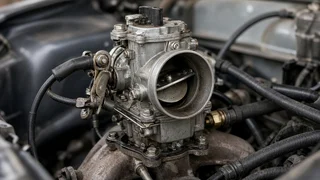
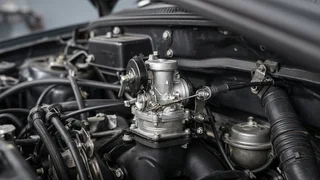
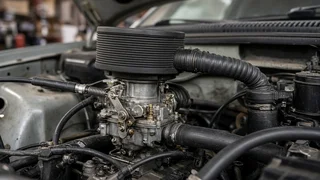
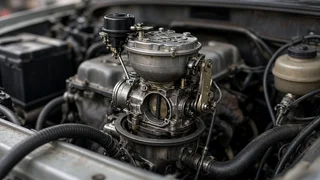
Rochester 2G 2-barrel carburetor with manual choke
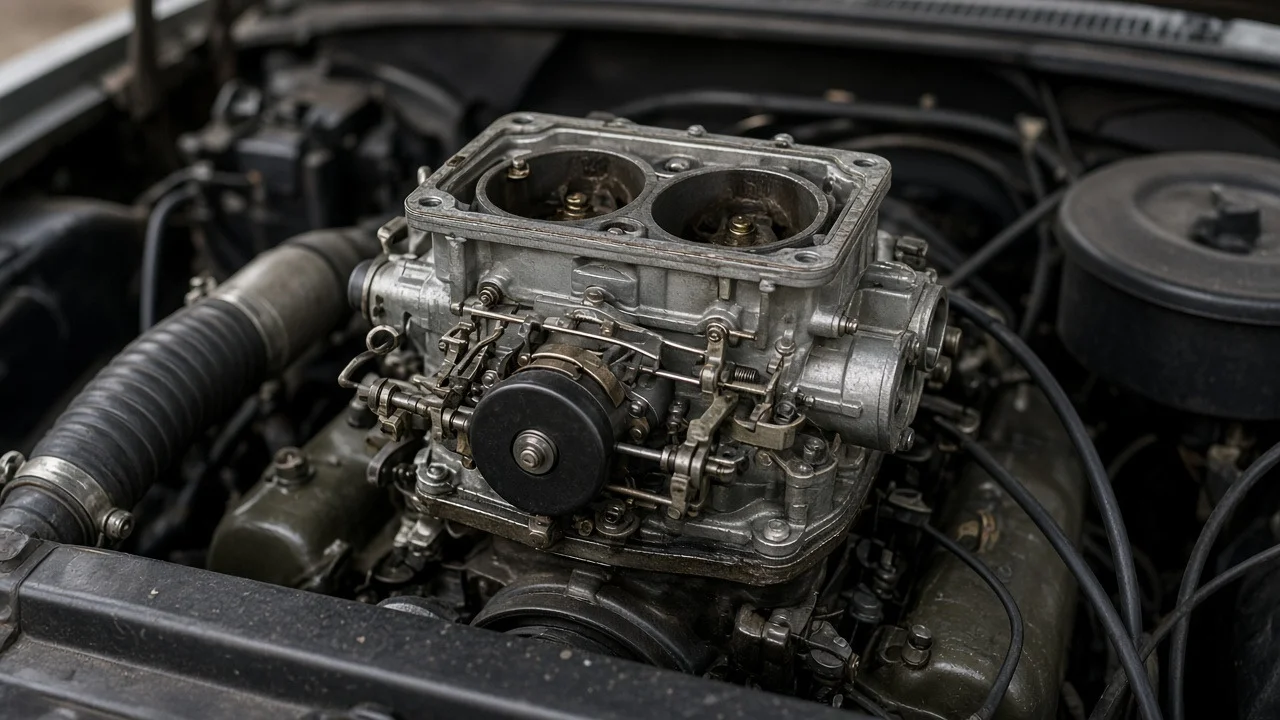
A Rochester 2G 2-barrel carburetor with a manual choke can simplify cold starts and tuning on many older domestic cars and trucks. Before buying, focus on throttle-bore condition, linkage travel, choke-plate closure, and whether the mounting pattern suits your intake. Because the manual choke removes automatic fast-idle assistance, the driver controls the cold-start mixture directly through a control cable. That affects drivability at lower ambient temperatures and makes idle-setting accuracy more important.
The direct answer
The direct answer is that a Rochester 2G 2-barrel carburetor with a manual choke is a serviceable choice when the vehicle already has a cable-operated choke assembly or when the owner is willing to route and adjust one properly. The 2G uses two relatively small throttle bores to keep air velocity high, which can improve low-speed throttle response compared with a larger single-bore carburetor. The manual choke plate relies on consistent cable movement, so check for bind-free linkage travel from the dash to the carburetor body before committing.
Condition matters more than age. Look for a flat airhorn and base without cracks, straight throttle shafts with minimal side play, and a choke linkage that produces smooth closure without hanging open. Because the primary venturi and discharge ports meter the air-fuel mixture continuously, wear around the throttle shaft can create a variable idle setting that is hard to tune. A rebuilt unit with clean passages may be preferable, but confirm that the manual choke bracket, return spring, and cable clamp are present rather than assumed.