Electric choke vs manual choke carburetor: which to choose
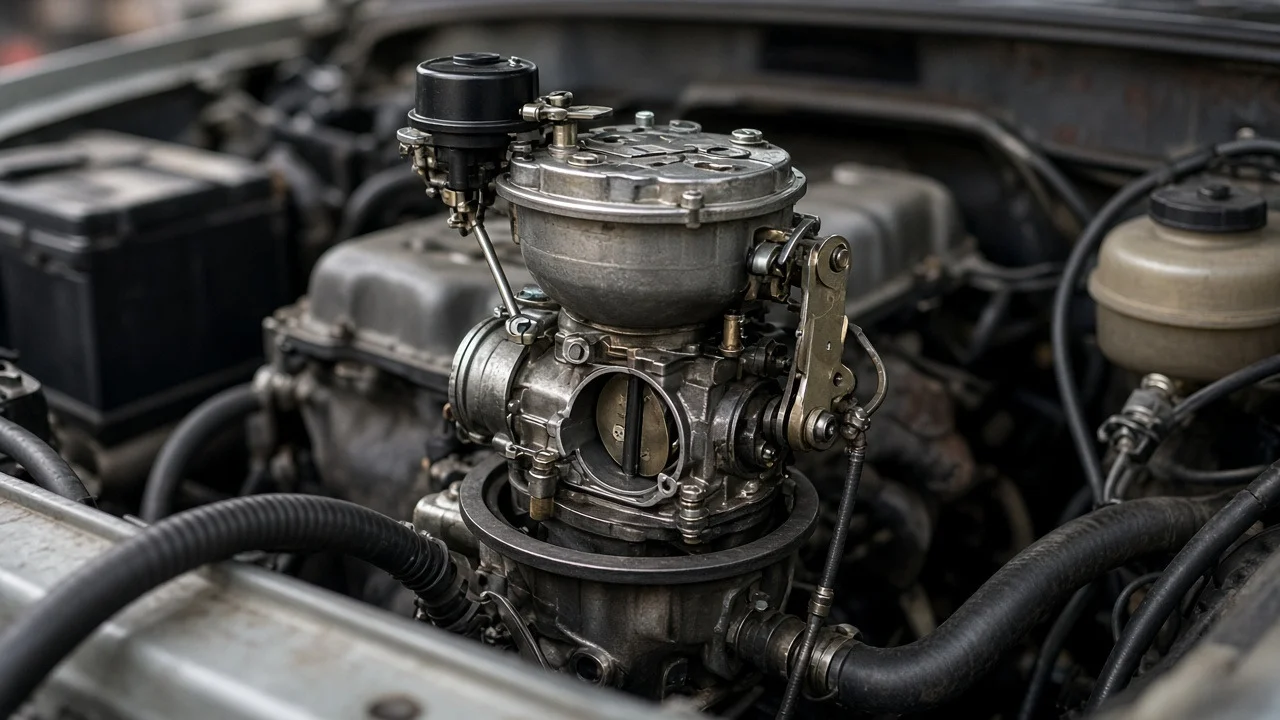
Choosing between an electric choke and a manual choke carburetor shapes how a vehicle behaves during cold starts and warm-up. The electric choke uses a heated element and linkage travel to open the choke plate gradually, while a manual choke relies on a control cable operated from the driver’s seat. Your preference depends on climate, mechanical comfort, and how consistent you want the cold-start mixture to remain without constant adjustment. Both systems alter the air-fuel mixture by restricting intake air when the engine is cold, but the operating difference changes daily cold-start behavior and tuning choices.
Direct answer
For most street-driven vehicles, an electric choke is the clearer everyday choice because it reduces the need for repeated driver input during startup and warm-up. It opens the choke plate based on heat, which helps keep the cold-start mixture richer initially and then progressively leaner without the owner adjusting a knob or lever.
A manual choke makes more sense when the operator wants full control over the choking action, often on a race carburetor, an off-road rig, or a classic vehicle used under variable conditions. The right selection depends on whether convenience or direct mechanical command matters more for the intended use.
Differences and suitability
Carburetor electric choke vs manual systems differ mostly in how the choke plate moves after a cold start. An electric choke uses a heating element and often a bimetallic spring to gradually rotate the plate open as voltage and underhood temperature rise, while a manual choke uses a cockpit-mounted control cable and lever that the driver pulls closed at startup and pushes open as the engine warms.
The manual setup can be more forgiving of a dead battery or a poorly adjusted idle setting because the driver can hold the mixture rich until the engine smooths out. However, leaving a manual choke closed too long brings an over-rich air-fuel mixture, higher fuel consumption, and the risk of fouling plugs, while an electric choke with poor linkage travel can still stick or open too slowly and cause similar drivability issues.