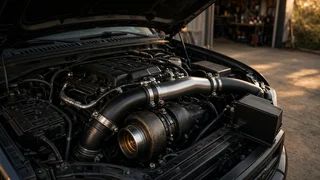
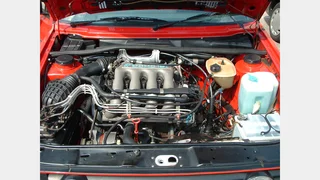
Rising oil level in a VW diesel engine
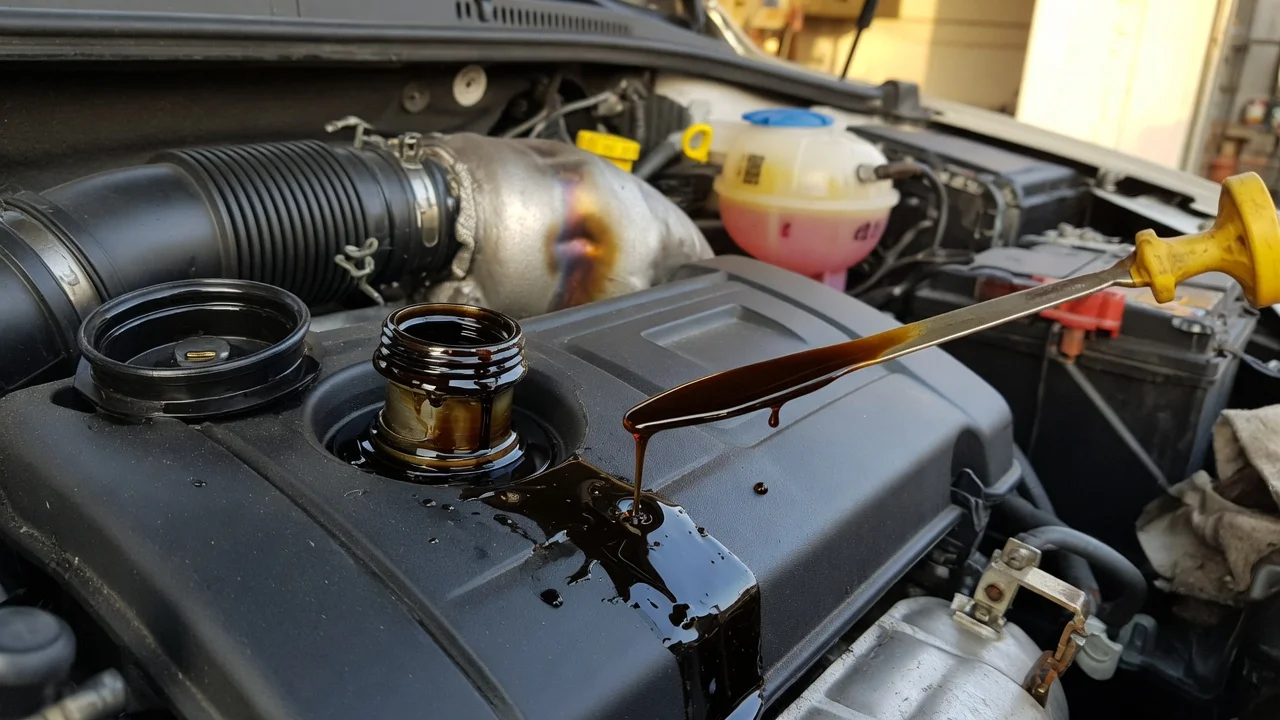
What a rising oil level means
A climbing engine-oil reading on a Volkswagen diesel means extra liquid is entering the crankcase between services. The oil itself does not generate extra volume. On VW Group TDI and related diesels, that extra liquid is usually diesel fuel; coolant is the other contamination that both raises the level and changes how the oil looks. The same pattern applies to shared engines in Škoda, SEAT and Audi diesels, across hatchbacks, estates, saloons, vans and SUVs.
The diagnosis changes if the oil is milky or the coolant tank is falling: that points to coolant in the oil. It also changes if the stick only looks high when the engine is cold, the car is on a slope, or the oil was checked immediately after a long run or a top-up: that is a reading error. A one-time overfill at a service is a filling mistake, not in-engine contamination.
How fuel and coolant get into the sump
On common-rail diesels with a diesel particulate filter (DPF), the engine injects extra fuel during regeneration so exhaust temperatures rise enough to burn soot in the filter. Some of that fuel can wash down the cylinder walls, past the piston rings, and collect in the sump. The oil then smells of diesel, loses viscosity, and the dipstick reading climbs. Short urban trips, repeated incomplete regenerations, a loaded DPF, and software or sensor faults that keep requesting regen all increase how much fuel ends up in the oil. This route is typical of later 1.6 TDI, 2.0 TDI and 3.0 TDI V6 families (including EA189 and EA288 2.0 TDI engines, with exact fitment depending on model year and market).
Injectors that dribble after shutdown send fuel into the cylinder that then drains to the sump. On older pump-nozzle (Pumpe-Düse, or PD) 1.9 and 2.0 TDI engines, failed injector heat-shield seals or O-rings can dump fuel into the cylinder head and down into the oil. A leaking high-pressure pump that shares a boundary with the crankcase is a less common fuel path and is engine-code specific.
Coolant can enter through a failed oil cooler, a leaking exhaust-gas recirculation (EGR) cooler on engines so equipped, a head-gasket breach, or a cracked head. The oil then looks beige, frothy or mayonnaise-like, residue may form on the filler cap, and the coolant level often drops. That is a different fault from fuel dilution and needs cooling-system diagnosis rather than a DPF or injector repair alone.
How to tell what is in the oil
Fuel in the oil: diesel smell on the dipstick or filler cap; oil that looks thinner than usual; coolant tank level steady; possible DPF, injector or regeneration faults stored in the engine control unit. Coolant in the oil: milky or mayonnaise-like oil; falling coolant; possible white residue in the expansion tank or on the oil cap; possible overheating or heater-performance complaints. Unreliable high reading: engine not at operating temperature; vehicle not level; stick not wiped and seated fully; check done right after a fill or a long regeneration.
Smell, colour and a stable coolant level are field clues only. A used-oil analysis is the way to measure fuel dilution as a percentage and to confirm glycol if coolant is suspected. No single dipstick millimetre threshold or laboratory cut-off is supplied here; workshops typically treat a confirmed rise above the maximum mark, a strong fuel smell, or a milky sample as a reason to drain immediately and investigate the source.
Why an overfilled, thinned sump matters
Fuel-thinned oil cannot maintain the film that crankshaft and camshaft bearings need. Extra volume also raises crankcase pressure, which can push oil past seals and into the intake through the crankcase ventilation system. Oil in the intake and exhaust can foul the DPF and oxidation catalyst. In a severe overfill, oil can reach the spinning crankshaft, aerate, and overflow. Those risks grow with how far the level sits above maximum and how long the engine is run in that state.
What to do next
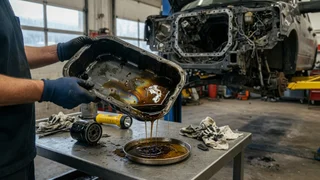
Stop adding oil. Record the dipstick reading, the oil’s smell and colour, and the coolant-tank level. If the level is above the maximum mark, or the oil smells strongly of diesel or looks milky, arrange an oil and filter change before further hard or long driving, and keep a sample for analysis if a laboratory test is available. Have the engine control unit scanned for DPF regeneration status, temperature and pressure-sensor faults, injector contribution or deviation, misfire, and rail-pressure codes. Those results steer the repair toward regen strategy, injectors, or a cooling-system leak. After a drain, recheck the level cold and then at operating temperature on level ground, then watch it over several tanks of fuel. A second rise means the contamination path is still open. If the oil is milky, treat the engine as having a cooling-system breach and avoid high load until the source is found. Coolant in oil can damage bearings quickly.
Draining the sump without finding why the level rose only resets the reading. Fuel dilution from incomplete DPF regenerations often returns if the car stays on short trips or the filter and sensors remain faulty. Injector or cooler leaks return until the leaking part is repaired.
Scope and what this guide does not settle
This guide covers compression-ignition Volkswagen Group engines in which the oil level is observed to rise between services. A petrol TSI or FSI engine, and a stable high reading after a workshop overfill, sit outside this problem. Causes and likelihood vary by engine family: PD 1.9 and 2.0 TDI injector-seal leaks; common-rail 1.6, 2.0 and 3.0 TDI fuel dilution during DPF regeneration; oil-cooler and EGR-cooler coolant leaks on the engines that use those parts. Exact model years, engine codes, recall or technical-service campaigns, and laboratory fuel-in-oil limits were not supplied for this article and differ by market. Those figures belong in a dealer or independent diagnosis against the specific vehicle identification number and oil-analysis report.