Replace an engine control module fuse
A failed engine control module fuse can shut down the very computer that manages fuel and spark, but replacing the fuse is only the first diagnostic step. If the new fuse restores normal operation, the original may have fatigued or experienced a transient overload. If it opens again, the circuit is carrying excessive current and requires investigation. Understanding how this low-cost component protects the ECM helps owners distinguish a simple repair from a warning sign of a deeper electrical fault without guessing at parts or specifications.
Essential answer
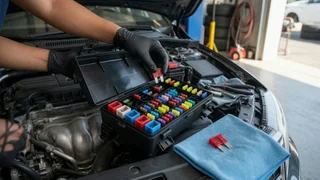
Replacing an engine control module fuse involves locating the correct circuit in the fuse panel, verifying its amperage rating, and installing an identical replacement. The goal is not simply to restore power but to protect the ECM from current spikes. Before installing a new fuse, owners should inspect the battery terminals and nearby wiring for corrosion or loose connections that can raise circuit resistance and increase current draw. A replacement that matches the original fuse rating preserves the protection the module was designed to receive.
If the replacement fuse holds and the engine starts normally, the fault may have been a one-time overload or aging fuse element. However, if the new fuse opens immediately or shortly after installation, the vehicle is signaling a repeatable short or an excessive parasitic draw on that protected circuit. In that case, checking system voltage and voltage drop along the ECM supply path becomes necessary. The fuse is a protective switch, not the root cause, so a second failure means the underlying overload must be traced before further replacement attempts.
Using a larger fuse to keep the circuit powered is unsafe because it removes the protection the ECM needs. The correct approach is to compare the removed fuse with the vehicle's wiring diagram and confirm the same rating is installed. Manufacturer-dependent fuse locations vary, so visual confirmation of the panel label is required. Once the proper fuse is seated fully, watching for repeated failures or unstable charging output helps decide whether the repair is complete or whether the electrical fault persists elsewhere in the harness.