Read a 1999 Chevy Lumina brake line diagram
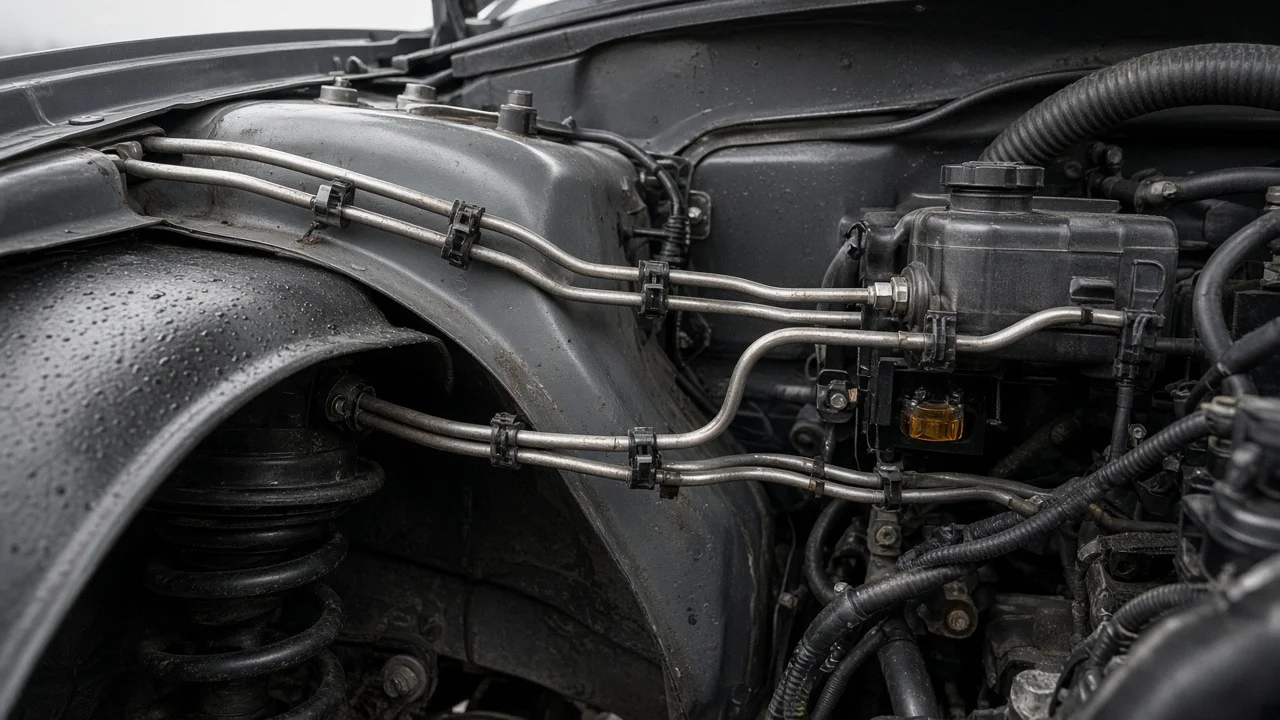
Reading the brake line routing for a 1999 Chevy Lumina is the first step in tracing a hydraulic circuit, locating a suspected leak, or planning a replacement on this front-wheel-drive sedan. The phrase usually means a schematic or underhood view showing the master cylinder, anti-lock hydraulic routing if equipped, proportioning valve or combination valve plumbing, and the steel and flexible lines running toward each wheel. Because no confirmed diagram was supplied here, the useful approach is to interpret what such a drawing represents, how the lines are arranged, and why a physical inspection still matters before ordering parts or opening a bleeder.
Essential answer
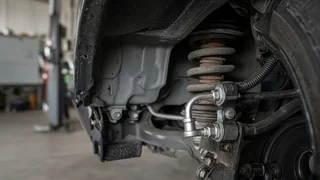
A requested diagram is best understood as a map of pressure pathways rather than a wiring-style drawing. The master cylinder feeds a network of steel brake lines that divides pressure between the front and rear circuits, often with a proportioning or combination valve near the firewall or master cylinder. On a Lumina from this generation, the front lines typically run toward the strut area and then connect to rubber flex hoses at each caliper, while the rear lines follow the body structure before reaching the wheel cylinders or calipers at the rear axle.
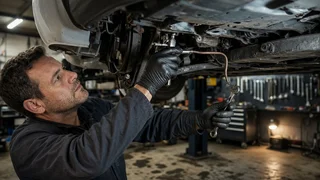
The diagram also helps you see why a damp spot on one line does not automatically identify the failed component. A low pedal, pulling, or fluid loss can point to a fitting, a corroded steel section, a cracked flex hose, or a caliper seal. Follow the hydraulic path from the reservoir first, then inspect each connection, bend, and flexible section. A schematic narrows where to look, but only a careful inspection with the wheels safely supported confirms the actual condition of the brake fluid circuit.