Read a 1998 Ford Escort brake line diagram

Reading a 1998 Ford Escort brake line diagram helps you trace the hydraulic paths that carry brake fluid from the master cylinder to each wheel. The earlier model’s layout typically separates front and rear circuits so a single leak does not eliminate all stopping power. Interpreting the routing, connection points, and flex hose locations is useful when you are diagnosing a soft pedal, fluid loss, or a rusted hard line. The diagram gives you the system map, while actual vehicle inspection confirms condition and fitment at the caliper, wheel cylinder, and proportioning area.
Essential answer
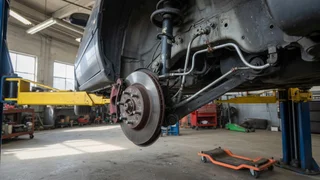
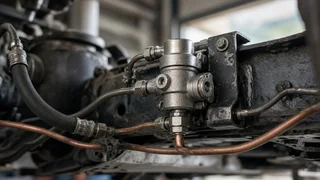
A brake line diagram for this vehicle shows the steel tubing and flexible hose arrangement between the master cylinder, proportioning valve, and the four corners. On a front-disc/rear-drum Escort, the drawing generally indicates a split circuit so that front calipers and rear wheel cylinders receive pressure in paired branches. Reading it means following line routing, fitting styles, and which hose or tube serves each brake assembly. The diagram is a reference for locating corrosion, leaks, or incorrect replacement routing rather than a standalone proof of a failed component.
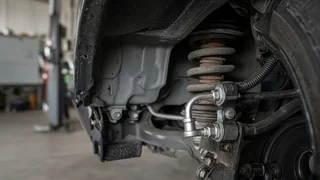
The exact layout can vary with trim and brake option, so treat a generic schematic as a guide instead of exact fitment confirmation. When you use the drawing during repairs, compare it with the lines on the car and pay attention to how the hard lines transition to flex hoses at moving suspension points. Damage, wetness, or deformation at a connection should be interpreted as evidence to investigate that area. A diagram supports diagnosis and parts identification, but a soft pedal or fluid loss still requires direct inspection to confirm the actual cause.