Race engine oil pressure
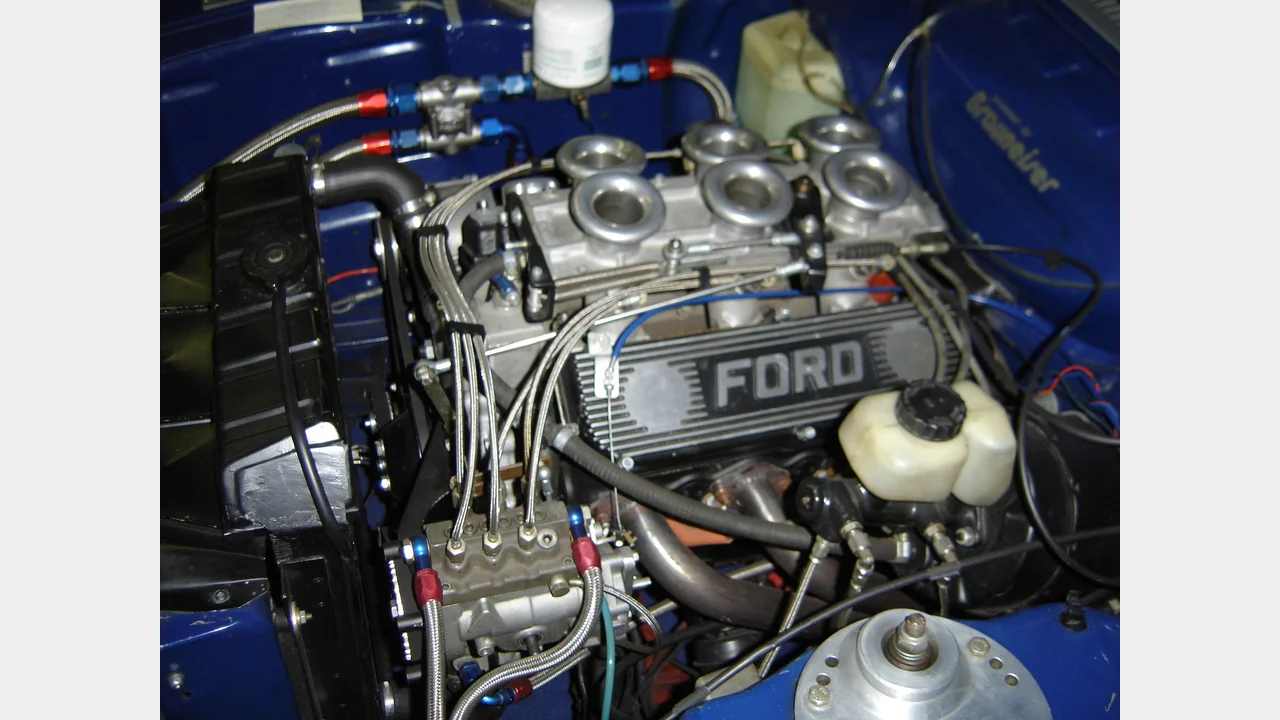
High-rpm engines punish oiling systems harder than street-driven vehicles ever will, and race engine oil pressure is the vital sign that shows whether bearings, valve springs, and camshafts are still protected under load. In competition use, pressure is not simply a dashboard warning; it is a dynamic response to viscosity, pump capacity, bearing clearance, oil temperature, and cornering forces. Understanding how these factors interact helps a driver or builder interpret the gauge, choose an appropriate lubricant specification, and avoid the sudden failures that occur when flow is lost at the moment the engine needs it most.
Essential answer
Race engine oil pressure describes the resistance to lubricant flow inside a competition engine rather than the total volume moved. A pump can deliver large flow, but pressure builds only when that flow meets the restriction of clearances, galleries, and bearings. The essential answer is that the correct pressure keeps a load-carrying oil film between moving parts while still allowing enough circulation to cool valves, pistons, and bearings. What matters is not a single high number but the relationship between flow and restriction across the full rpm range.
A competition engine often uses wider bearing clearances and a high-volume pump, which can show lower gauge pressure at idle yet maintain strong flow at speed. This differs from a production engine, where tight clearances produce higher pressure earlier. For the reader researching the subject, the scope includes wet-sump and dry-sump systems, oil weight selection, temperature effects, and the difference between indicated pressure and actual delivery at the bearing. Any level check or service interval must account for the way track use aerates oil and accelerates degradation.