Private Car Sales: A Practical Guide to Selling a Vehicle Yourself
What Is a Private Car Sale?
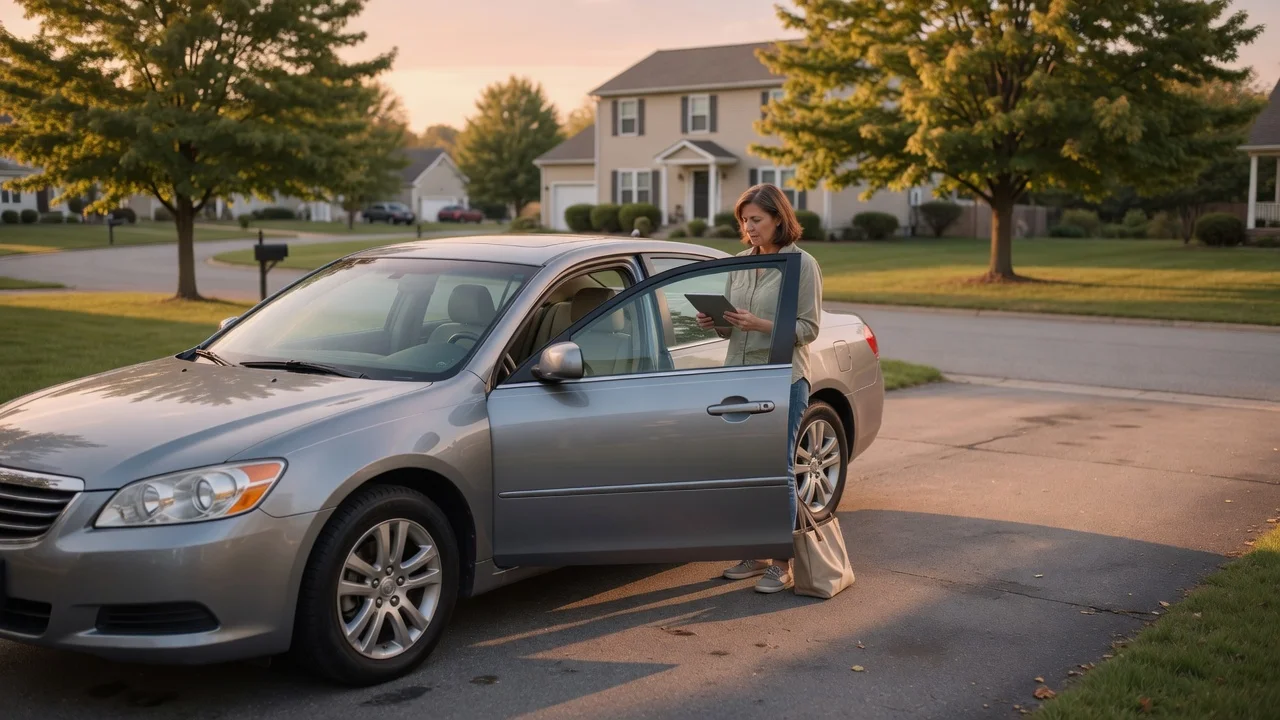
A private car sale is a transaction in which an individual owner sells a vehicle directly to a buyer, without a licensed dealership acting as an intermediary. This approach can often yield a higher sale price for the seller because there is no dealer margin, but it also transfers the administrative and negotiation duties to the private parties. The exact process varies by state or market, particularly around title transfer, emissions testing, and bill of sale requirements, so local regulations materially change the steps a seller must follow.
Setting a Realistic Asking Price
Establishing an asking price requires comparing the vehicle against documented market data rather than emotional value. A seller should account for the specific model year, generation, powertrain, trim level, and regional market conditions, since a base front-wheel-drive crossover and a high-trim all-wheel-drive version of the same model can sit far apart in value. Mileage, maintenance history, accident history, and remaining tire or brake life also affect the price. Where published valuation guides disagree, sellers should present a range and explain the condition assumptions behind it.
Preparing the Vehicle and the Paperwork
A clean, documented car usually presents lower perceived risk to a buyer. Sellers can gather the title, any lien release documentation, a recent maintenance summary, and a vehicle history report if one is available. Some jurisdictions also require a current safety inspection or emissions certificate before a private sale can be completed. The title must be signed exactly as the seller's name appears on the document, and any errors in the transfer section can delay ownership transfer.
Handling Payment and Release Safely
For in-person transactions, a bank-issued cashier's check or verified electronic transfer generally presents fewer risks than a personal check or a promise to pay later. Sellers should confirm that funds have cleared before signing over the title, and both parties should complete a bill of sale that records the sale price, date, vehicle identification number, odometer reading, and the names and addresses of both parties. The odometer disclosure is a separate federal requirement in the United States for vehicles under a certain age and weight class.
Completing the Ownership Transfer
The seller's final responsibility is to notify the relevant motor vehicle agency that the vehicle has been sold. Many jurisdictions allow or require this notice within a short window, such as five to thirty days after the sale. This step can protect the seller from liability if the buyer fails to register the vehicle or receives a traffic citation before transferring the title. Sellers should keep a copy of the signed title, bill of sale, and release of liability or sale notice for their records.
Common Gaps and Uncertainties
Not every private sale goes through the same sequence. A vehicle with an outstanding loan requires a lien release before the buyer can obtain a clean title, and the seller may need to complete the transaction at the lienholder's location. Imported or specialty vehicles may require additional compliance paperwork. In markets where private sellers are not required to provide any warranty, the sale is typically understood as 'as-is,' but this understanding should be stated in writing if allowed by local law.